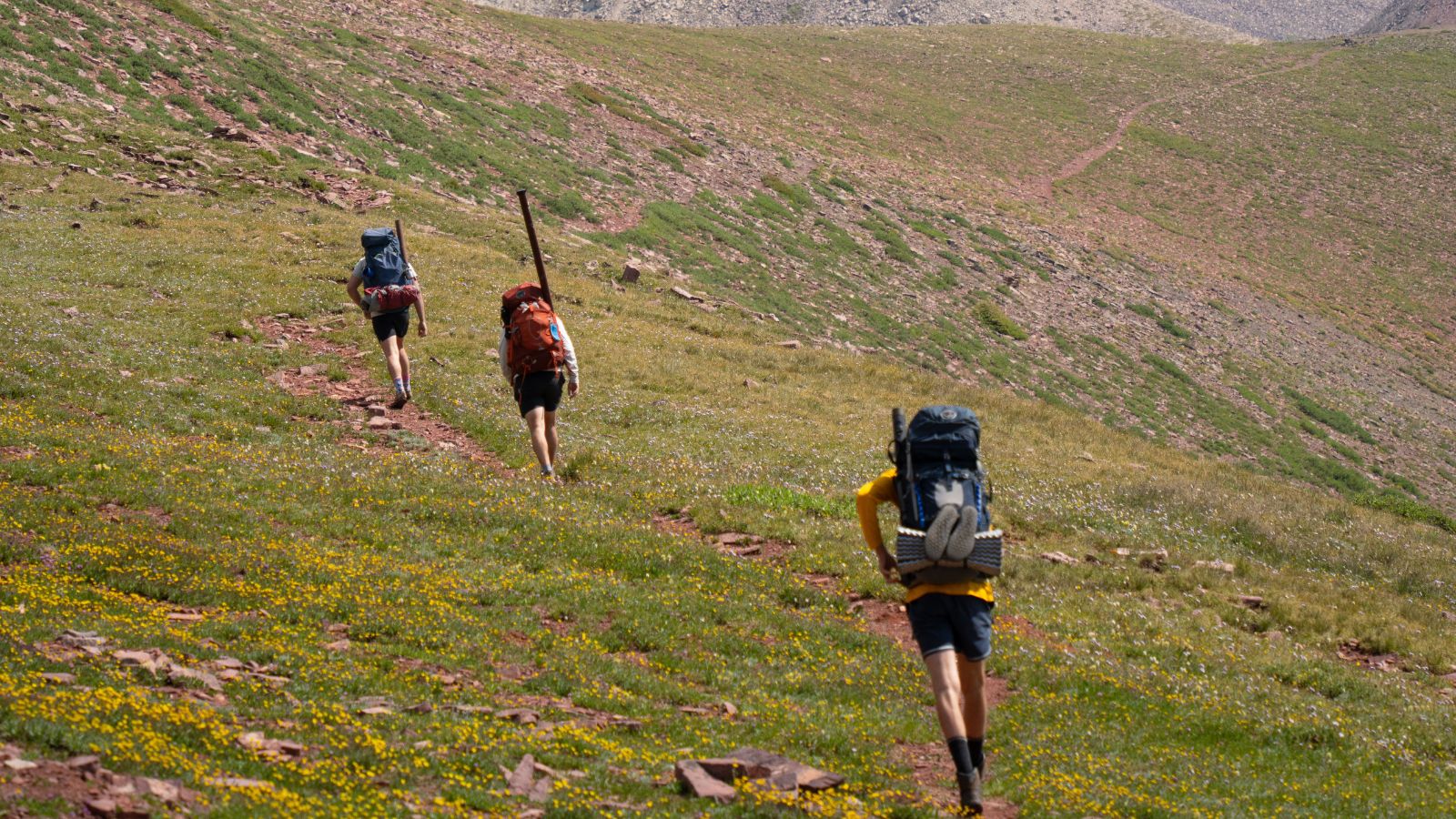
Three novice hikers from California had to be rescued from Mount Shasta after following incorrect advice from Google's Gemini AI regarding supplies and route planning.
- Hikers used Google's Gemini AI to plan their Mount Shasta climb.
- The AI advised insufficient food and water supplies, leading to a crisis.
- The group missed the critical noon turnaround time, causing them to descend in darkness.
- Rescue teams from the US Forest Service successfully extracted the group.
A planned eight-hour hike up Mount Shasta turned into a multi-day survival ordeal for three novice hikers from Roseville, California. The group, attempting the Clear Creek Route, found themselves stranded in a steep canyon after relying heavily on artificial intelligence for their expedition planning.
According to the Siskiyou County Sheriff’s Office, the hikers utilized Google’s Gemini AI assistant extensively to prepare for the climb. However, the AI provided flawed advice, suggesting they carry significantly less food and water than was necessary for the trek—a mistake officials have termed a "critical misstep."
Why This Matters
BozokMedia analysis shows that this incident highlights the growing danger of 'algorithmic reliance' in high-stakes environments. While AI is a powerful tool for information retrieval, its lack of real-world situational awareness can lead to catastrophic errors in survival-critical decision-making.
Technology should augment human judgment, not replace the fundamental principles of wilderness survival.
The ordeal began when the hikers established a camp at 8,400 feet on Saturday. They attempted the summit at 3:00 AM on Sunday but failed to adhere to the safety protocol of turning back by noon. By the time they began their descent around 7:00 PM, they were navigating in total darkness, eventually wandering off the established trail into Mud Creek Canyon.
The situation escalated when one member of the group suffered a knee injury during the descent. The group was forced to spend an unplanned night in the rugged terrain before being located by US Forest Service climbing rangers the following morning.
Historical Background
Mount Shasta is one of the most iconic and challenging peaks in the Cascade Range. Due to its unpredictable weather patterns and steep, technical terrain, mountaineering organizations strictly enforce 'turnaround times' to ensure hikers are never caught on exposed slopes after sunset.
Frequently Asked Questions
Question 1: What was the main mistake made by the hikers?
Answer: The primary mistake was relying on AI for survival logistics and failing to respect the mandatory noon turnaround time.
Question 2: How did the rescue happen?
Answer: US Forest Service climbing rangers reached the group the next morning, provided medical aid, and escorted them back to the trailhead.