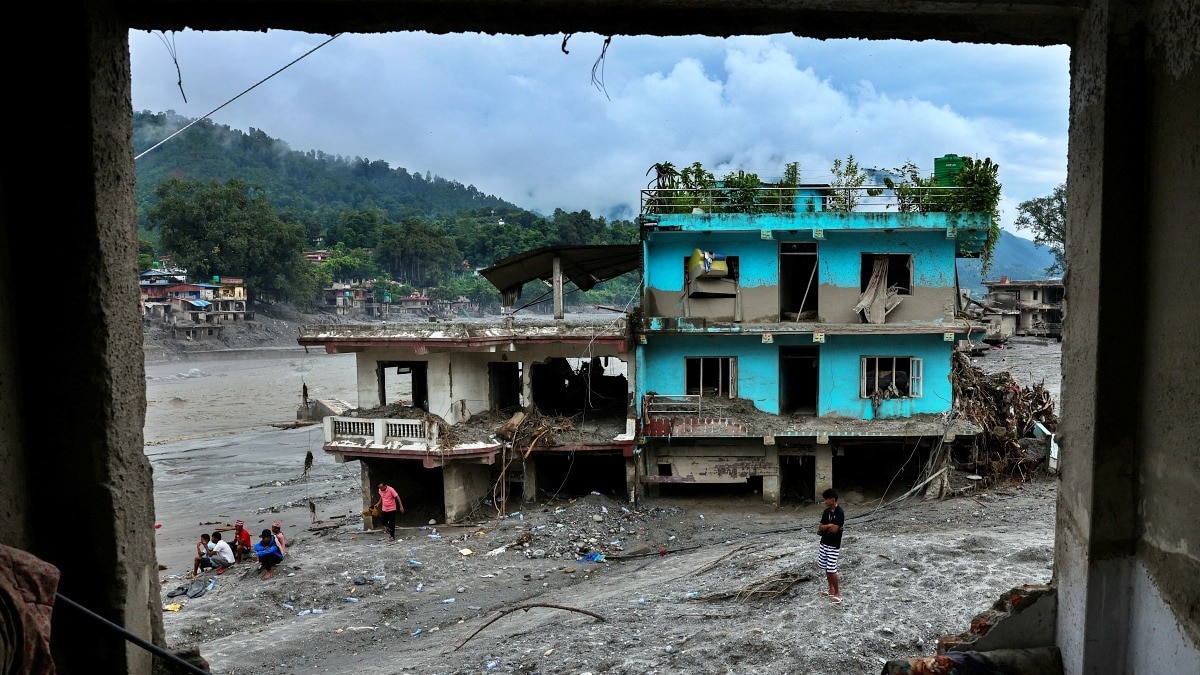
The catastrophic flooding in Nepal has triggered widespread fears across South Asia. Experts warn that shifting weather patterns in the Himalayas could lead to similar disasters in India.
- Extreme rainfall and cloudbursts have caused massive destruction in Nepal.
- Changing Himalayan weather patterns pose a direct threat to the subcontinent.
- India's northern plains, particularly Bihar and UP, remain highly vulnerable.
The recent catastrophic floods in Nepal have done more than just destroy infrastructure and displace thousands; they have raised a chilling question that policymakers in New Delhi cannot ignore: Could India be next? The escalating frequency of extreme weather events in the Himalayan region is a grim indicator of the changing climate landscape in South Asia.
Massive cloudbursts and sudden rises in river levels have turned Nepal's mountainous terrain into a zone of devastation. These events are not isolated incidents but are deeply connected to the melting of Himalayan glaciers and the erratic nature of the monsoon. As these waters flow downstream, they do not respect international borders.
Why This Matters
BozokMedia analysis shows that the hydrological connection between Nepal and India makes this a transboundary crisis. Major river systems like the Kosi, Gandak, and Mahakali serve as lifelines for both nations. When Nepal's upper catchment areas experience extreme precipitation, the immediate consequence is a surge in water levels in India's plains, often leading to catastrophic flooding in Bihar, Uttar Pradesh, and West Bengal.
The instability of the Himalayan ecosystem represents an existential threat to the entire South Asian subcontinent.
The geographical reality is that the northern plains of India act as a natural drainage basin for the Himalayan rivers. As climate change intensifies, the volume and velocity of floodwaters are increasing, overwhelming existing embankments and traditional disaster management protocols.
Historical Background
Historically, the relationship between Himalayan rainfall and Indian flooding has been direct. In recent years, the intensity of 'cloudburst' events has increased significantly. The 2015 Nepal earthquake and subsequent extreme weather cycles have highlighted how fragile the mountain ecosystem has become under the pressure of global warming.
Frequently Asked Questions
Question 1: How does Nepal's flooding affect India?
Answer: Most major rivers flowing through Nepal enter India, meaning heavy rainfall in Nepal leads to immediate flooding in India's northern border states.
Question 2: Is India prepared for such transboundary disasters?
Answer: While India has strengthened its disaster response via the NDRF, the unpredictable nature of Himalayan weather makes early warning and mitigation extremely difficult.