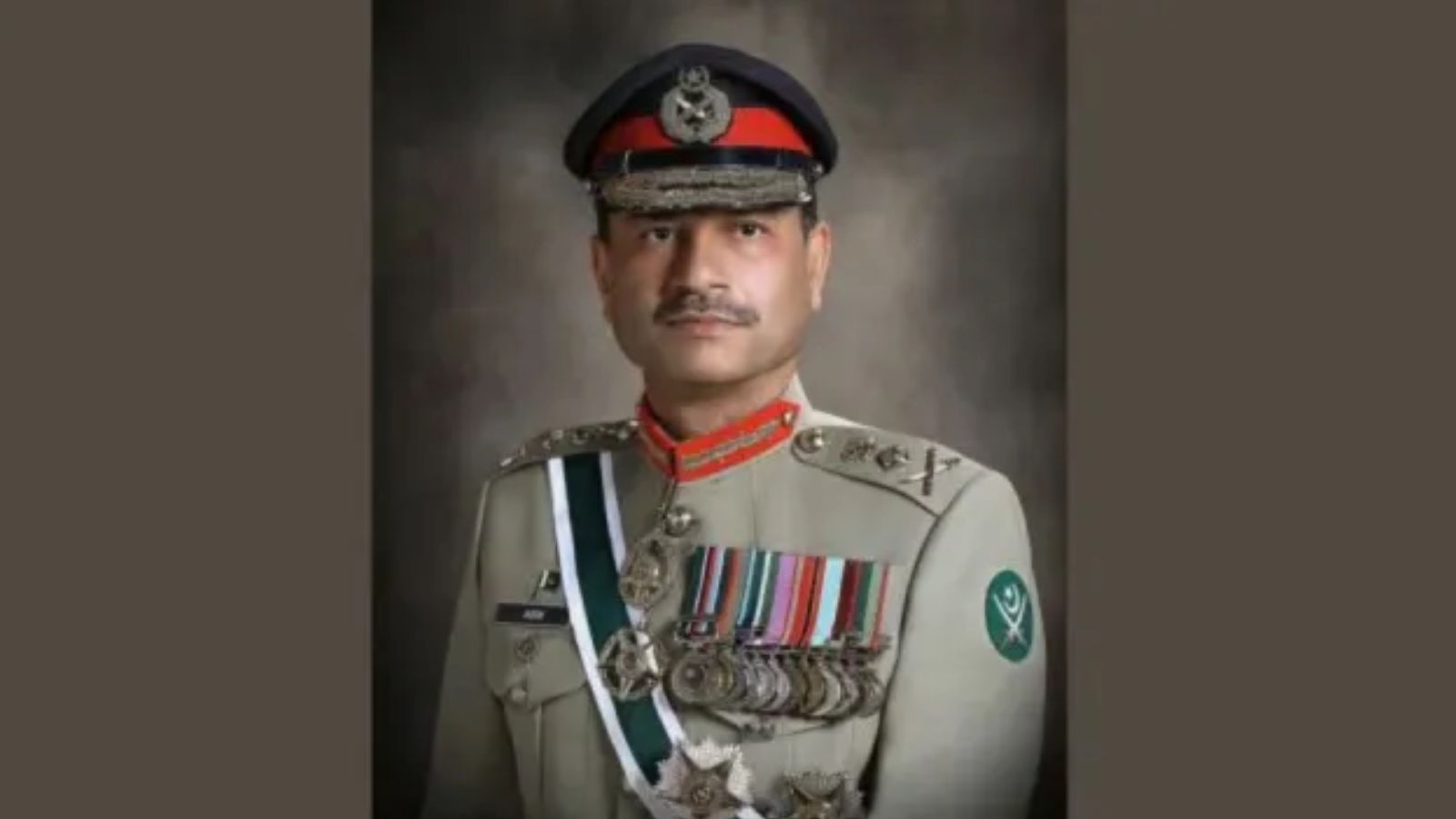
In a historic legislative move, Pakistan has created the post of Chief of Defence Forces (CDF), granting General Asim Munir supreme operational command over the Army, Navy, and Air Force.
- Pakistan's Parliament has passed the Defence Forces Act, 2026.
- The new 'Chief of Defence Forces' (CDF) post grants unified command over all three services.
- General Asim Munir will hold both the Army Chief and CDF positions simultaneously.
- Critics warn the law diminishes civilian oversight and centralizes power within the Army.
In a move that reshapes the landscape of Pakistan's national security architecture, the country's Parliament has legally granted a single officer command over the Army, Navy, and Air Force. Through the Defence Forces of Pakistan Act, 2026, cleared by the National Assembly in late August, the post of Chief of Defence Forces (CDF) has been formally established. Field Marshal Asim Munir has been named the first-ever CDF, a role he will hold alongside his existing position as the Army Chief.
This restructuring represents the most significant change to Pakistan's military command since 1976. Previously, the Chairman of the Joint Chiefs of Staff Committee served as a coordinating body, but lacked the statutory authority to command the Navy or Air Force. The new CDF role, however, is fundamentally different; it carries direct operational command and reports directly to the federal government, possessing the power to enforce decisions across all service branches.
Why This Matters
BozokMedia analysis shows that this legislative shift significantly tilts the balance of power toward the military establishment. By consolidating the command of land, sea, and air under one individual—who is currently the head of the Army—the law effectively institutionalizes an 'army-centric' command structure. This could potentially marginalize the independent operational identities of the Navy and Air Force.
The new law creates a properly written chain of command from the prime minister down to units on the ground, something that never existed on paper before.
The implications for civilian oversight are a major point of contention. Legal experts, including former officers, have noted that the CDF now possesses the authority to dismiss officers via letter alone, bypassing the traditional requirement for cabinet summaries. This reduction in bureaucratic checks and balances suggests a move toward greater military autonomy from the civilian government.
Supporters of the act, including some retired high-ranking generals, argue that the restructuring is essential for modern warfare. They claim it will facilitate tighter coordination across cyber, drone, and maritime operations, ensuring faster decision-making during national crises. However, analysts like Majid Nizami point out that the law formally reserves the nuclear-forces command post for the Army, further cementing its dominance.
Frequently Asked Questions
1. How does the CDF differ from the previous Chairman of Joint Chiefs?
The previous role was purely for coordination, whereas the CDF has actual legal authority to command all three branches of the military.
2. What is the main criticism of this new law?
Critics argue it centralizes too much power in one person and weakens the constitutional checks provided by the civilian cabinet.
| Feature | Former Role (JCSC) | New Role (CDF) |
|---|---|---|
| Primary Function | Coordination | Operational Command |
| Command Authority | None over Navy/Air Force | Full over all three services |
| Decision Enforcement | Limited | Statutory/Direct |

