At the recent SCO summit in Kyrgyzstan, India reinforced its stance against state-sponsored terrorism and emphasized the strategic necessity of connecting with Central Asian resource-rich nations.
- India sent a strong message against using terrorism as an instrument of state policy.
- Central Asia is viewed as India's 'extended neighbourhood' with vital mineral and energy resources.
- Focus remains on the INSTC and Chabahar port to bypass geopolitical roadblocks.
- India is positioning itself as a 'bridge-builder' between the East and the West.
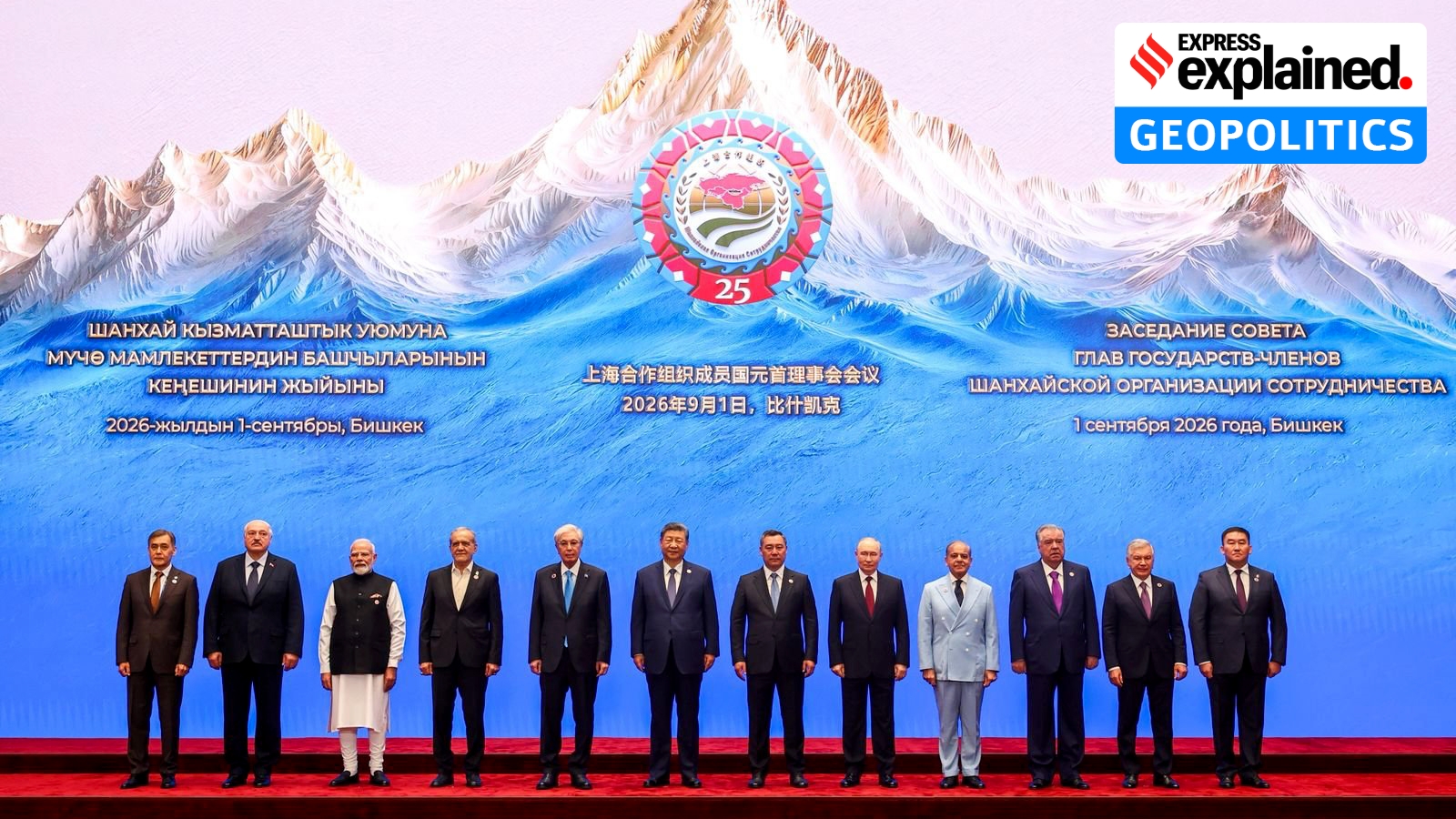
The recently concluded Shanghai Cooperation Organisation (SCO) summit in Bishkek, Kyrgyzstan, has emerged as a pivotal platform for India to assert its regional interests. The adoption of the Bishkek Declaration marked a significant step in the international community's collective fight against terrorism, particularly addressing the menace of cross-border movements.
Prime Minister Narendra Modi utilized this high-profile summit to reiterate India's uncompromising stance on security. In a pointed address, even in the presence of Pakistan's PM Shehbaz Sharif, Modi highlighted the need to send a "strong message" to nations that utilize terrorism as a tool of statecraft. This reflects India's long-standing diplomatic position on regional stability.
Why This Matters
BozokMedia analysis shows that for India, the SCO is far more than a diplomatic gathering; it is a gateway to economic and energy security. The Central Asian republics—India's extended neighbourhood—are incredibly rich in oil, gas, and critical minerals. Securing reliable access to these resources is essential for India's long-term economic growth and energy independence.
India's challenge lies in converting its soft power in Central Asia into hard gains in terms of better economic ties and greater connectivity. - Ambassador Ashok Sajjanhar (Retd.)
A major hurdle in India's engagement with Central Asia is the lack of direct land connectivity due to geopolitical tensions. While India has de jure access to Tajikistan via PoK, it lacks de facto connectivity. To circumvent this, New Delhi is aggressively pursuing the International North-South Transport Corridor (INSTC) and the Chabahar Port in Iran, creating a 7,200-km multi-modal link to Russia and Europe.
Furthermore, the summit highlighted India's Strategic Autonomy. The visible camaraderie between PM Modi, Russian President Vladimir Putin, and Chinese President Xi Jinping serves as a powerful visual cue to the world. It demonstrates that India is not tethered to any single bloc but acts as a 'bridge-builder' in a fractured global order.
| Feature | Soft Power Approach | Hard Power/Economic Goal |
|---|---|---|
| Focus Area | Cultural & Buddhist Heritage | Energy & Mineral Resources |
| Connectivity | Civilizational Ties | INSTC & Chabahar Port |
| Security | Dialogue & Diplomacy | Counter-Terrorism & Stability |
Frequently Asked Questions
1. What is the significance of the Bishkek Declaration?
It is a formal commitment by SCO members to combat terrorism and condemn military strikes on sovereign territories.
2. How does India plan to reach Central Asia without using Pakistan's territory?
India is utilizing the Chabahar Port in Iran and the INSTC maritime and rail routes to establish a direct link.