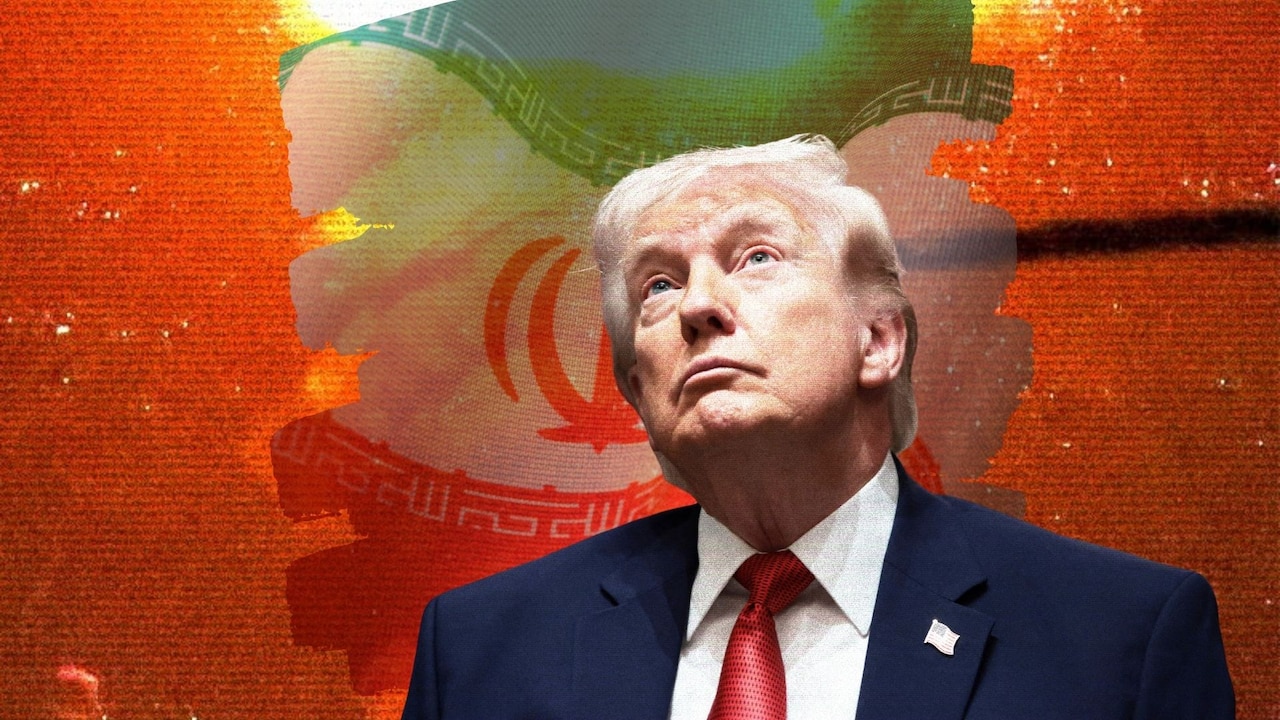
Donald Trump is reportedly drafting a sweeping strategic framework for the Middle East aimed at containing Iran and strengthening Israel's regional ties. The plan seeks to build a unified regional front to reshape geopolitical dynamics.
- Trump is working on a large-scale strategic plan for the Middle East.
- The core objective is to build a regional front to contain Iranian influence.
- The strategy includes pushing Israel toward deeper integration with its Arab neighbors.
Former U.S. President Donald Trump is reportedly preparing a massive geopolitical overhaul for the Middle East. According to high-level discussions, Trump has signaled to associates that he is working on "something much bigger" to address the volatile dynamics of the region, particularly in the wake of tensions with Iran.
Building a Regional Front Against Iran
The emerging strategy, which is currently in the drafting stage, is designed to create a cohesive regional coalition. The primary goal is to establish a containment mechanism for Iran, preventing its expansionist influence from destabilizing the Middle East. This would involve a combination of economic pressure, diplomatic isolation, and military readiness.
Why This Matters
BozokMedia analysis shows that this approach represents a shift from reactive crisis management to proactive regional architecture. By attempting to consolidate a front against Iran, the U.S. would be looking to create a self-sustaining security ecosystem in the Middle East that reduces the need for constant direct American intervention while maintaining dominance.
A successful containment strategy requires more than military might; it necessitates a deep-seated economic and diplomatic alignment among regional stakeholders.
A central pillar of this proposed plan is the further integration of Israel with its neighboring Arab states. By pushing for deeper ties between Israel and its regional neighbors, the strategy aims to normalize relations further, mirroring the success of the Abraham Accords and creating a unified bloc against common adversaries.
Historical Background
The geopolitical landscape of the Middle East has long been defined by the rivalry between Iran and Israel. Previous U.S. efforts, such as the Abraham Accords during the first Trump administration, demonstrated that normalization between Israel and several Arab nations was possible, fundamentally altering the regional security paradigm.
Frequently Asked Questions
1. What is the primary goal of Trump's Middle East plan?
The primary goal is to contain Iran's regional influence and build a stronger, integrated regional alliance.
2. How does this plan affect Israel?
The plan seeks to deepen Israel's diplomatic and security ties with its Arab neighbors to create a unified front.
