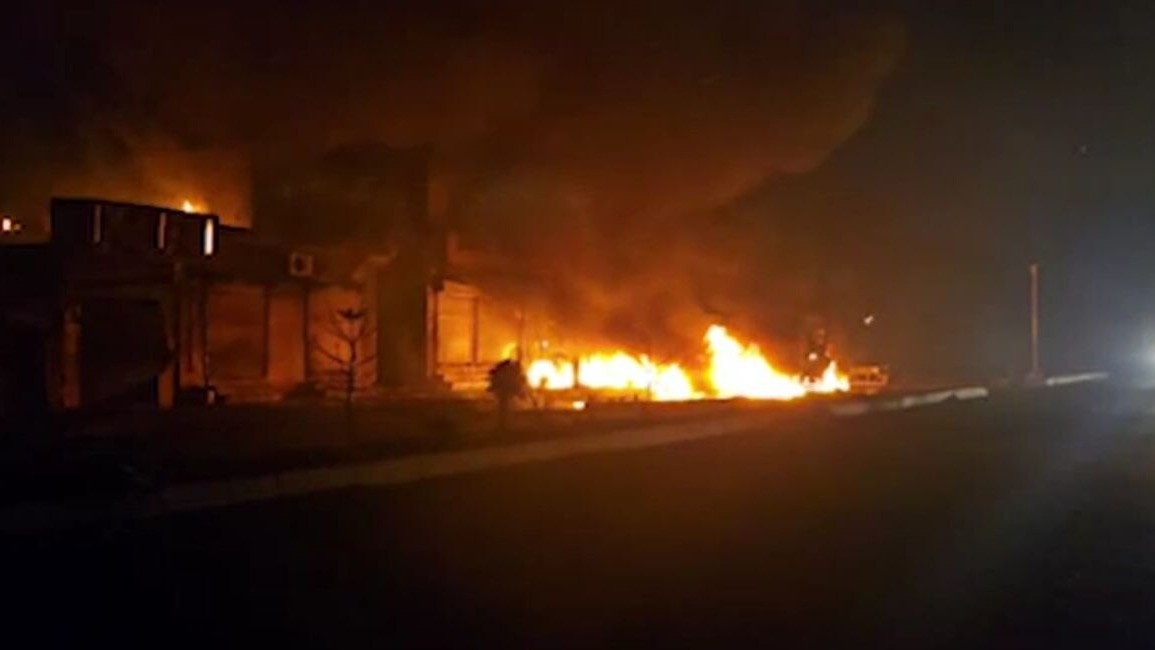
Nepal is reeling from devastating floods that have claimed 1,344 lives, with an estimated 5,000 people still missing. The economic toll is projected to reach a staggering 400 billion rupees.
- Over 1,344 bodies have been recovered following massive flooding.
- Approximately 5,000 individuals are still reported missing.
- Economic damages are estimated at roughly 400 billion rupees.
- The tourism sector is facing a massive crisis due to peak-season cancellations.
Nepal is grappling with a massive humanitarian and economic crisis as catastrophic floods and landslides sweep through the country. The scale of destruction is unprecedented, with official reports confirming that 1,344 bodies have been recovered. The search for the remaining 5,000 missing persons continues amidst treacherous conditions and rising water levels.
The devastation has struck hard in regions like Rasuwa and Nuwakot, where entire villages have been decimated. Beyond the immediate loss of life, the financial implications are staggering. Economic analysts estimate the total loss to be approximately 400 billion rupees, impacting agriculture, infrastructure, and the national budget.
Why This Matters
BozokMedia analysis shows that this disaster highlights the extreme vulnerability of the Himalayan region to climate-induced weather patterns. The intensification of the monsoon season, combined with the country's fragile topography, has turned seasonal rains into life-threatening flash floods. This event serves as a grim reminder of the urgent need for improved disaster management and resilient infrastructure in South Asia.
The scale of destruction in Nepal underscores a critical need for global climate accountability and regional disaster preparedness.
The tourism industry, a vital pillar of the Nepalese economy, has been dealt a heavy blow. As the country enters its peak travel season, a wave of mass cancellations has hit hotels and airlines. Eyewitness accounts from travelers describe harrowing scenes of entire groups of people being swept away by the raging currents, leaving a trail of trauma across the nation.
Historical Background
While Nepal has historically faced seasonal flooding, the frequency and intensity of these events have increased significantly due to global warming. The melting of Himalayan glaciers and erratic monsoon cycles have heightened the risk of Glacial Lake Outburst Floods (GLOFs) and devastating landslides.
Frequently Asked Questions
Question 1: How many people are currently missing in Nepal?
Answer: According to current reports, approximately 5,000 people remain missing.
Question 2: What is the estimated economic impact?
Answer: The economic loss is estimated to be around 400 billion rupees.