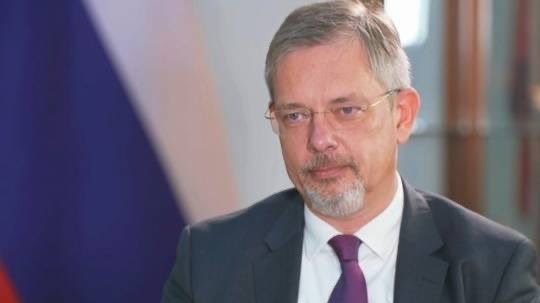
Russian Ambassador Denis Alipov has asserted that India's purchase of Russian crude is driven by national interest and welfare, not by a desire to support Moscow, amid growing US pressure.
- India's Russian oil imports are strictly for national development and energy security.
- Russian Ambassador Denis Alipov criticized Western 'pressure tactics' and sanctions.
- A proposed US Senate bill could impose up to 100% tariffs on major Russian energy buyers.
- EAM S. Jaishankar emphasized that energy purchases will not decide the outcome of the Ukraine war.
In a significant diplomatic pushback, Russia's Ambassador to India, Denis Alipov, has stated that India's continued procurement of Russian crude oil is motivated by its own national development and the welfare of its citizens, rather than an attempt to assist Moscow. This statement comes at a time of heightened scrutiny from Western powers regarding New Delhi's energy strategy.
Since the onset of the conflict in Ukraine in 2022, India has significantly pivoted toward discounted Russian crude, cementing Russia's position as one of India's primary energy partners. The move has drawn intense criticism from Washington and other Western capitals, who view the trade as providing a financial lifeline to the Kremlin.
Why This Matters
BozokMedia analysis shows that India is navigating a complex geopolitical tightrope. By securing affordable energy, India protects its domestic economy from inflation, yet it must do so without triggering severe economic retaliation from its long-standing strategic partner, the United States. The tension between energy security and geopolitical alignment is reaching a boiling point.
India has demonstrated its ability to stand its ground and defend its national security and interests against external pressure.
The geopolitical landscape is further complicated by a proposed US Senate bill. This legislation aims to impose tariffs of up to 100 per cent on imports from the five largest buyers of Russian crude or natural gas. If implemented, this could pose a direct economic threat to India's energy procurement model. Alipov argued that instead of offering competitive deals, Western nations have resorted to punitive measures.
Adding weight to India's stance, External Affairs Minister S. Jaishankar recently remarked that the continued or cessation of India's oil purchases would not alter the ultimate trajectory of the Ukraine conflict. He emphasized that the war must be resolved through dialogue, diplomacy, and negotiation, rather than through energy-based economic warfare.
| Feature | Russian Oil Policy | Western Sanction Policy |
|---|---|---|
| Primary Goal | Energy Export & Revenue | Limiting Russian War Funding |
| Proposed Action | Continued Supply | 100% Tariffs on Buyers |
| India's Stance | National Interest/Development | Strategic Autonomy |
Frequently Asked Questions
1. What is the US Senate bill regarding Russian oil?
The proposed bill seeks to impose heavy tariffs (up to 100%) on the top five countries purchasing Russian oil or gas to discourage trade.
2. How has India responded to Western pressure?
India has consistently maintained that its energy decisions are based on the needs of its 1.4 billion people and its right to secure affordable energy.