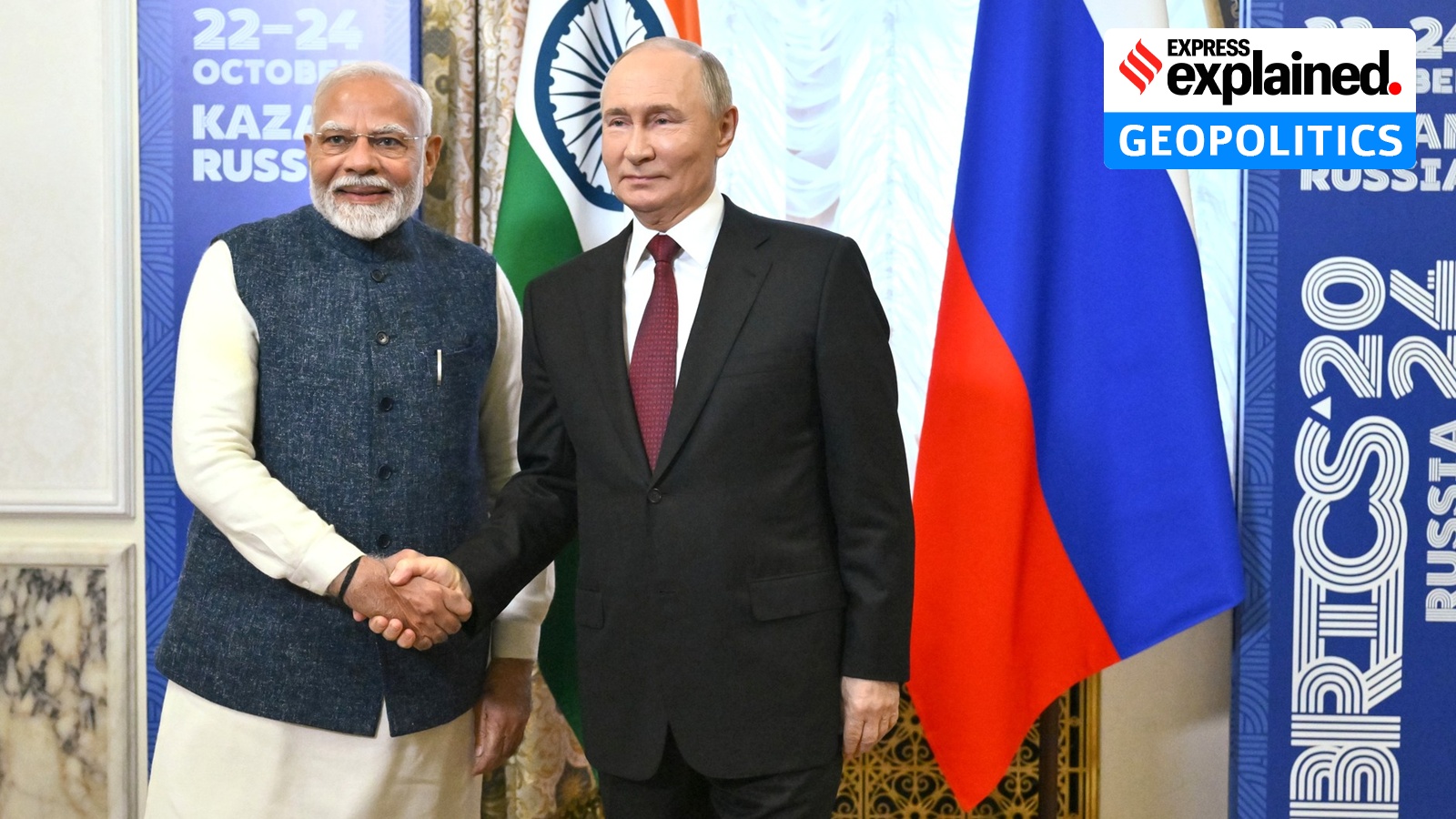
As India prepares to host the 18th BRICS Summit, the bloc faces a defining moment: should it act as a counterweight to Western hegemony or focus on driving global economic reforms?
- BRICS GDP (PPP) share has overtaken the G7's share for the first time.
- India advocates for multi-alignment rather than an anti-West confrontation.
- New members like Iran and UAE introduce significant geopolitical complexities.
India is gearing up to host the 18th BRICS Summit in New Delhi on September 12-13, marking two decades since the group's formalization. This milestone anniversary provides a critical window to evaluate whether the bloc has stayed true to its mission of representing the Global South or if it is being steered toward a geopolitical confrontation with Western powers.
The economic shift is staggering. In 2000, the original BRIC nations held only 23% of global GDP (PPP), while the G7 held 52%. By 2024, the tide had turned: the expanded 11-member BRICS now accounts for approximately 36.8% of global GDP (PPP), while the G7's share has dipped below 29%. Furthermore, intra-BRICS trade has exploded from $84 billion two decades ago to $1.17 trillion in 2024.
Why This Matters
BozokMedia analysis shows that while the aggregate economic weight of BRICS is massive, the prosperity gap remains vast. While the G7 boasts an average per capita GDP of $53,000, the BRICS average sits at a mere $8,200. This indicates that BRICS' power is derived from scale—population and resources—rather than individual wealth, making the push for institutional reform even more vital for its members.
Instead of becoming a weapon against the West, BRICS must function as a catalyst for reforming global financial architecture.
A fundamental divergence exists within the bloc. China and Russia increasingly view BRICS as a tool to challenge US-led hegemony and the dominance of the dollar. In contrast, India and Brazil view it as an economic forum aimed at systemic reform. India’s strategic approach of 'multi-alignment' allows it to participate in BRICS, the G20, and the Quad simultaneously, prioritizing national interest over bloc solidarity.
| Metric | BRICS | G7 |
|---|---|---|
| Global GDP Share (PPP) | ~36.8% | <29% |
| Avg. Per Capita GDP | ~$8,200 | ~$53,000 |
| Projected Growth (2025) | ~3.8% | Lower than BRICS |
The recent expansion has also introduced internal friction. The inclusion of members like Iran and the UAE, who occupy opposing sides in regional conflicts, has tested the group's cohesion. This was evidenced in May 2026, when a failure to issue a joint declaration highlighted the growing geopolitical contradictions within the expanded membership.
Frequently Asked Questions
1. What is the main difference between BRICS and G7?
G7 represents advanced economies, whereas BRICS represents major emerging economies and the Global South.
2. Is BRICS an anti-Western alliance?
While some members like Russia seek to challenge Western dominance, others like India view it primarily as an economic reform platform.