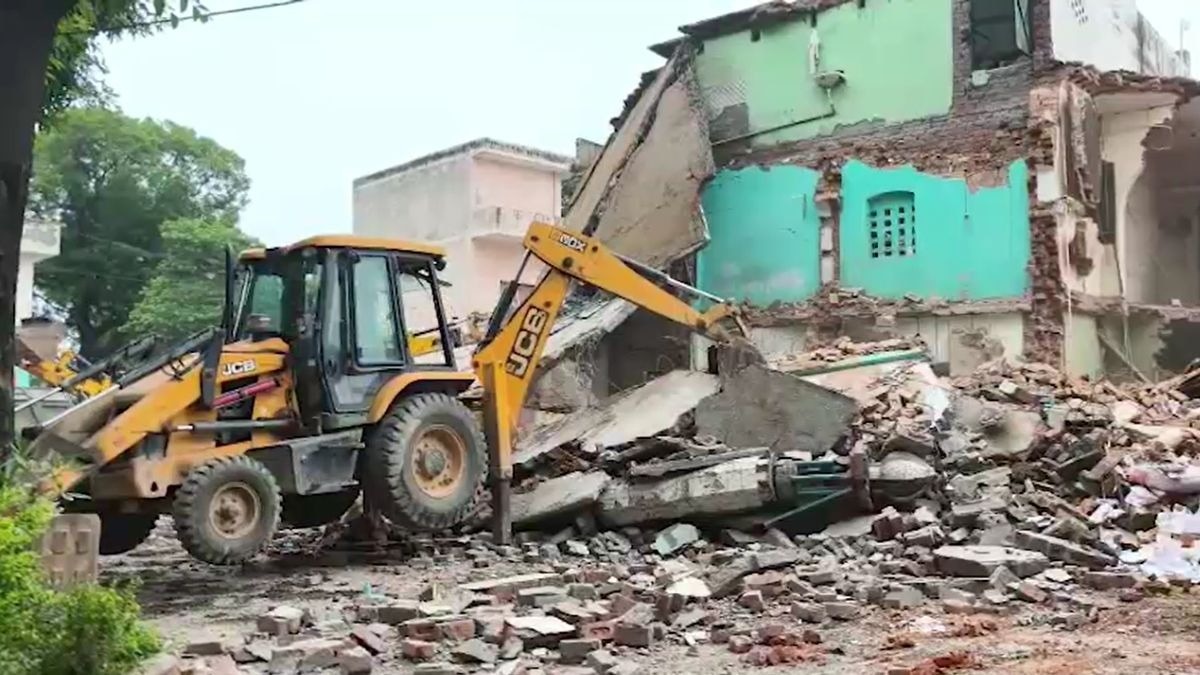
A high-stakes rescue operation is currently unfolding at the Chilime hydroelectric project site in Nepal. With the assistance of the Indian Tunnel Rescue Team, efforts are intensifying to save workers trapped deep within the mountain tunnels.
- Rescue efforts are intensifying at the Chilime hydroelectric project site in Nepal.
- The Indian Tunnel Rescue Team is providing critical technical expertise.
- The operation faces extreme geological challenges and unstable terrain.
The survival of several workers trapped within the Chilime hydroelectric project tunnel has become a focal point of intense international attention. As the clock ticks, rescue teams are battling against time and treacherous geological conditions in the rugged terrains of Nepal to bring the trapped individuals to safety.
A significant turning point in this mission has been the involvement of the Indian Tunnel Rescue Team. Their specialized knowledge in navigating collapsed subterranean structures has provided a much-needed boost to the local Nepalese authorities. The coordination between the two nations highlights the importance of regional cooperation in disaster management.
Why This Matters
BozokMedia analysis shows that the success or failure of this mission will set a precedent for safety protocols in high-altitude hydroelectric projects globally. The technical complexities involved in Himalayan tunneling require a specialized level of engineering and emergency preparedness that is rarely seen in standard construction projects.
The primary struggle remains maintaining air quality and structural integrity while drilling through unstable rock layers.
Reports indicate that while the terrain remains unpredictable, the deployment of advanced seismic monitoring tools has helped rescuers avoid secondary collapses. The psychological toll on the families of the trapped workers and the rescue personnel themselves is immense, adding a layer of human tragedy to this technical crisis.
Historical Background
The Himalayan region is notorious for its seismic activity and unstable soil composition. Historically, large-scale tunnel projects in this belt have faced numerous setbacks, including landslides and structural failures, making the Chilime incident a stark reminder of the inherent risks in mountain-based infrastructure development.
Frequently Asked Questions
Question 1: Who is leading the rescue efforts?
Answer: The operation is a collaborative effort led by Nepalese authorities with critical support from the Indian Tunnel Rescue Team.
Question 2: What is the main obstacle in the rescue?
Answer: The main obstacles are the unstable geological structure of the tunnel and the risk of further collapses.