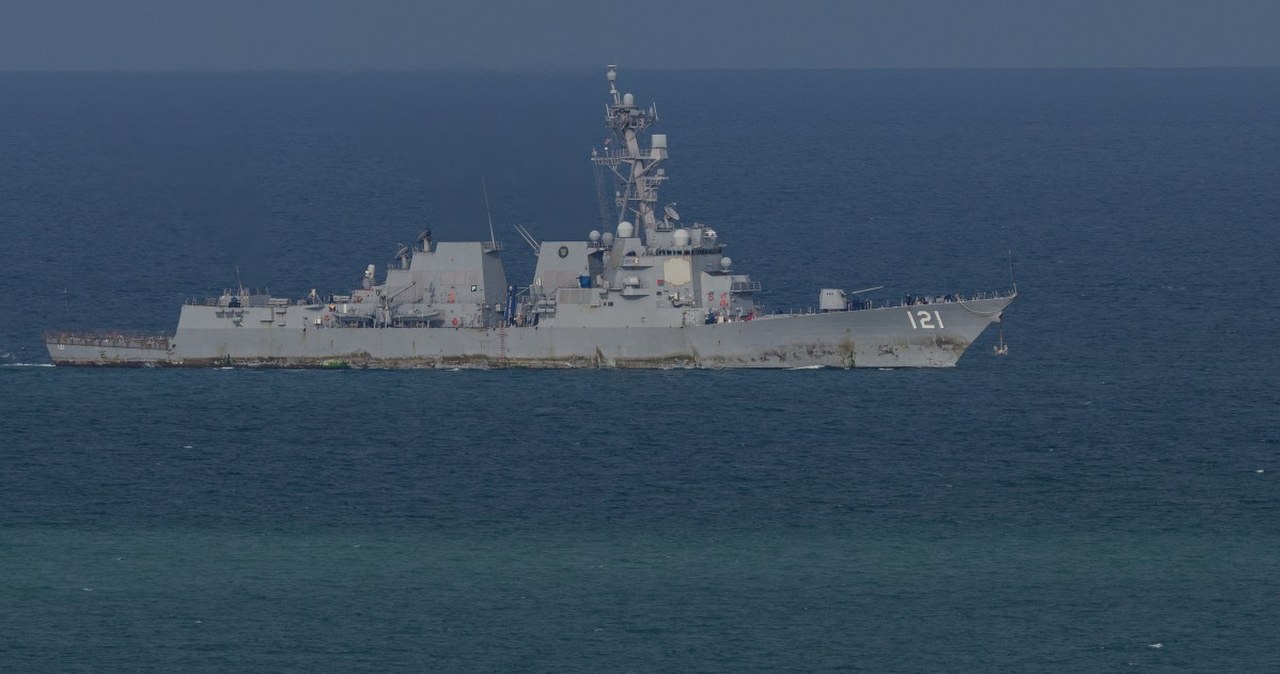
In a historic departure from tradition, US forces were notably absent from NATO's Northern Viking 2026 exercises, forcing European allies and Canada to take the lead in securing the North Atlantic.
- The absence of US naval and air assets marked a significant shift in NATO's Northern Viking 2026 exercises.
- French Rear Admiral Nicolas Molitor led the alliance forces, with increased involvement from Canada and Europe.
- The exercises focused on the strategic GIUK gap to counter Russian submarine threats.
- Poland actively participated with the minehunter ORP Mewa and the KORMORAN 2026 contingent.
The Northern Viking 2026 military exercises have signaled a transformative era for the North Atlantic Treaty Organization (NATO). For decades, the United States has been the cornerstone of NATO's maritime and aerial power. However, this latest iteration saw a profound change: the absence of major US combat vessels and aircraft during the maneuvers, placing the responsibility squarely on European members and Canada.
Command of the allied forces was handed to French Rear Admiral Nicolas Molitor, marking a symbolic move toward European strategic autonomy. The exercise featured a diverse coalition, including German reconnaissance aircraft, Canadian warships, Belgian fighter jets, and the Polish minehunter ORP Mewa.
Why This Matters
BozokMedia analysis shows that this shift is not merely a logistical coincidence but a reflection of changing geopolitical priorities. With significant portions of the US Navy currently deployed in the Middle East and the Caribbean, a strategic vacuum is emerging in the North Atlantic. This necessitates a more robust and independent European defense capability to ensure regional stability.
The transition of leadership in these exercises proves that Europe and Canada are stepping up to fill the security gap left by shifting US priorities.
A critical focal point of the exercises was the GIUK Gap—the maritime corridor between Greenland, Iceland, and the United Kingdom. This region is vital for NATO security, as it serves as the primary gateway for Russian nuclear-powered submarines to transit from the Kola Peninsula into the North Atlantic. Controlling this choke point is essential to protecting both European and North American shores.
Poland's Strategic Contribution: Poland played a vital role in the maneuvers. The Polish Military Contingent KORMORAN 2026 and the minehunter ORP Mewa were deployed to practice detection and tracking of undersea threats, reinforcing Poland's position as a key player in NATO's eastern flank and maritime security.
Political analysts suggest this trend aligns with the broader direction of the Trump administration, which has consistently advocated for European allies to shoulder more of the financial and operational burden of their own collective defense.
Frequently Asked Questions
Question 1: Why were US forces missing from the exercises?
Answer: While US personnel assisted in planning, major US assets were diverted to operations in the Middle East and the Caribbean.
Question 2: What is the significance of the GIUK gap?
Answer: It is the critical maritime passage that NATO must monitor to prevent Russian submarines from reaching the open Atlantic.