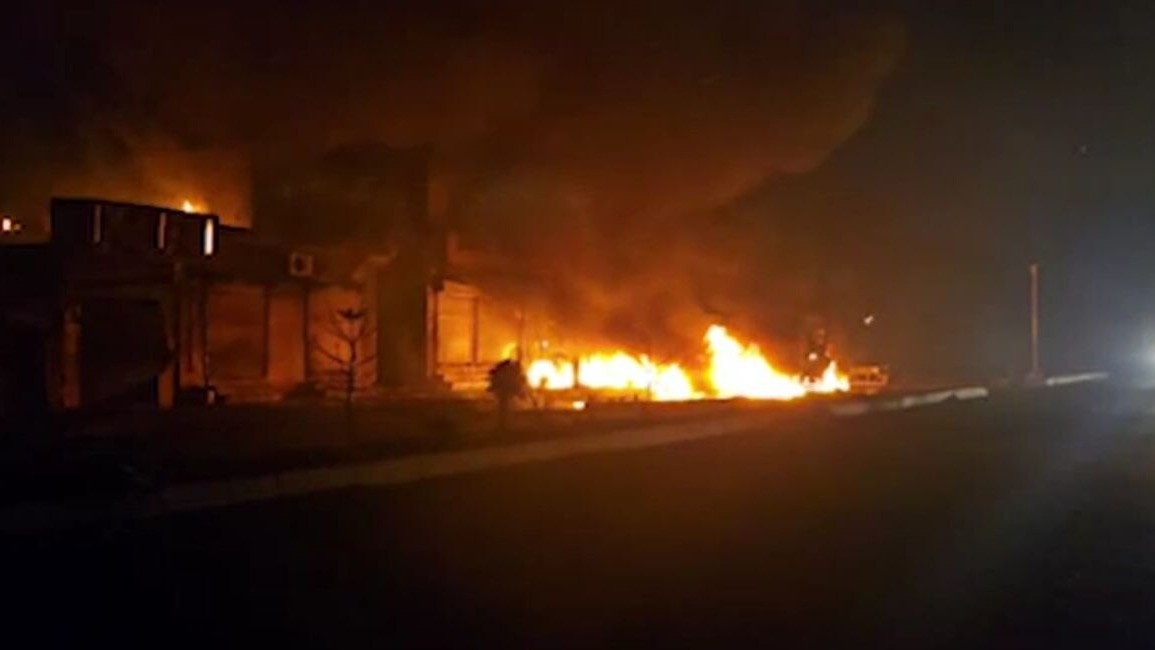
Devastating flash floods triggered by an ice-rock avalanche near the Nepal-Tibet border have claimed over 1,300 lives. In a display of incredible resilience, survivors are joining rescue operations even as they search for their missing family members.
- A massive ice-rock avalanche near the Nepal-Tibet border triggered deadly flash floods on August 26.
- Death toll exceeds 1,300, with approximately 5,000 people still missing.
- Local survivors are actively participating in relief and search operations despite personal losses.
The northern and central regions of Nepal are grappling with an unprecedented humanitarian crisis following catastrophic flash floods. Triggered by an ice-rock avalanche near the Nepal-Tibet border on August 26, 2026, the deluge has decimated entire towns and villages. As of early September, the death toll has surpassed 1,300, and the scale of the tragedy is compounded by the fact that nearly 5,000 individuals remain unaccounted for.
Amidst the widespread mourning, a profound story of human resilience is emerging. Many survivors, who have lost everything, are stepping back into the fray to assist in relief efforts. Sudip Kumar Neupane, a 31-year-old survivor who lost his younger brother and a close friend in the torrent, has become a pillar of support in the Rasuwa district, helping distribute food and essential supplies to those displaced by the disaster.
Why This Matters
BozokMedia analysis shows that in the immediate aftermath of high-altitude disasters, official state machinery is often stretched beyond its capacity. The integration of local survivors into formal rescue frameworks is not just a matter of extra manpower; it is a vital component of community-led recovery and psychological resilience in disaster-prone zones.
In the Nuwakot region, the struggle is even more personal for individuals like Suchit Joshi. While searching for his wife, seven-year-old daughter, sister-in-law, and nephew, Joshi has been working alongside security personnel to rescue others. His efforts recently led to the successful rescue of an elderly woman stranded in floodwaters, proving that even in the depths of personal agony, the impulse to help remains strong.
The transition from victim to volunteer is a powerful testament to the enduring strength of the human spirit during catastrophic events.
The search operations continue to face immense hurdles. Bodies recovered from the Trishuli River have been severely damaged by the force of the water, making identification nearly impossible through visual means. Consequently, authorities are looking toward DNA testing as a final, albeit difficult, hope for families seeking closure.
Historical Background
Nepal's mountainous terrain makes it highly susceptible to Glacial Lake Outburst Floods (GLOFs) and landslides. As global temperatures rise, the stability of Himalayan glaciers decreases, increasing the frequency and intensity of such flash floods, which pose a continuous threat to the lives and livelihoods of millions in the region.
Frequently Asked Questions
Question 1: What caused the massive flooding in Nepal?
Answer: The flooding was triggered by a massive ice-rock avalanche near the Nepal-Tibet border on August 26.
Question 2: How are authorities attempting to identify the victims?
Answer: Due to the condition of the recovered bodies, DNA testing is being utilized as a primary method for identification.