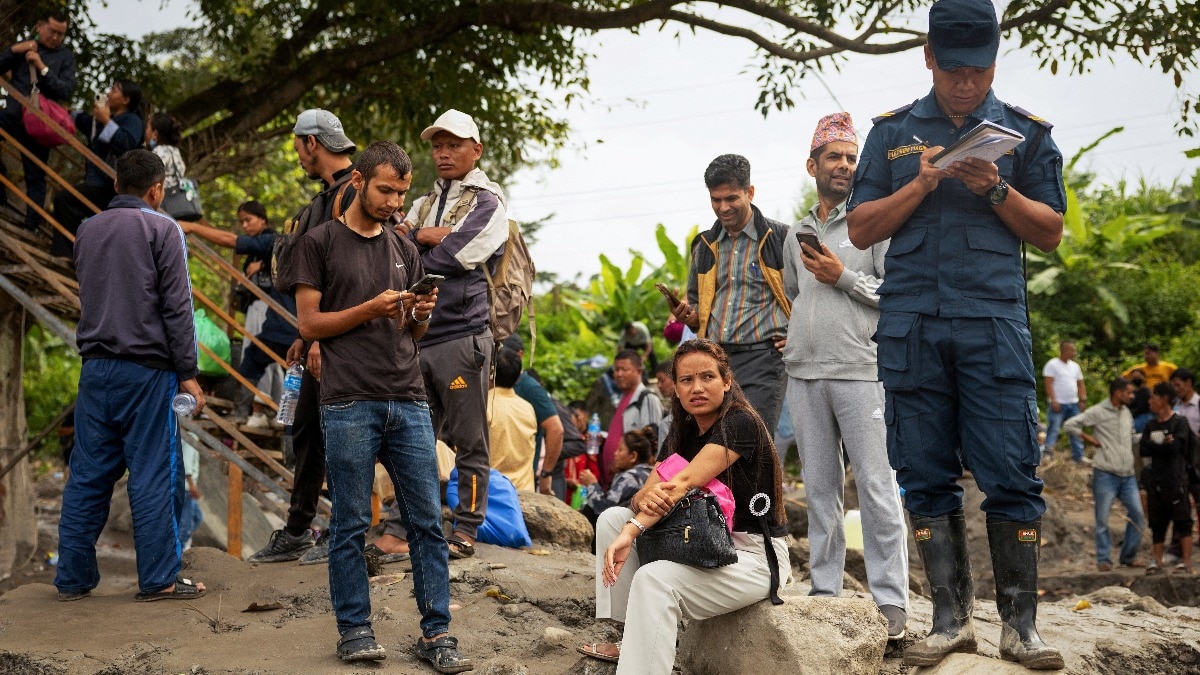
Nepal Police have warned citizens that keeping, selling, or concealing gold, cash, or valuables washed away by recent floods is a criminal offense. Authorities urge the public to report any found items to the nearest station.
- Possessing or selling valuables found in floodwaters is a punishable offense under Nepalese law.
- Authorities urge citizens to report found gold, silver, cash, or documents to the police.
- The death toll from the recent floods has reached 1,344, with 5,000 people still missing.
Amid the catastrophic aftermath of devastating floods in Nepal, the Nepal Police have issued a stern warning to the public regarding found property. Authorities have emphasized that anyone who encounters gold, silver, cash, or important legal documents washed downstream by floodwaters must report them to the nearest police station immediately. The police warned that concealing, keeping, using, or engaging in the sale of such property constitutes a criminal offense and will lead to strict legal action.
This directive follows a recent incident in the Dhading district, where 29 individuals were arrested for breaking open a bank safe that had been swept away by the floods. The safe was discovered along the Trishuli River at Belkhukhola, and the group was caught attempting to extract cash. Police have noted that disasters often create windows of opportunity for theft and looting, especially when security personnel are heavily diverted toward critical search-and-rescue operations.
Why This Matters
BozokMedia analysis shows that during large-scale natural disasters, the line between survival and opportunistic crime can often blur. The legal warning serves a dual purpose: it protects the rights of victims who have lost everything and prevents the emergence of a black market for disaster-recovered assets. Maintaining social order during such a humanitarian crisis is paramount for effective recovery.
Disaster-related looting and the unauthorized possession of recovered assets undermine the integrity of relief efforts and the rule of law.
The scale of the disaster is unprecedented. Following an ice-rock avalanche near the Nepal-Tibet border on August 26, the Bhotekoshi River surged with massive amounts of debris, causing widespread destruction across various districts. As of the latest reports, the death toll has climbed to 1,344, while nearly 5,000 individuals remain missing. More than 13,100 people have been successfully rescued from the affected areas.
The identification of victims has become a monumental challenge for forensic teams. Many recovered bodies were found heavily decomposed or missing parts due to the force of the water and mud. In Chitwan, the highest number of bodies—362—were recovered. To combat the identification crisis, the Nepal Police has initiated the collection of DNA samples from relatives of the missing at the Nepal Police Hospital in Kathmandu and other district offices.
Frequently Asked Questions
Question 1: What are the legal consequences of keeping found valuables?
Answer: Keeping, selling, or concealing valuables found in floodwaters is a criminal offense that can lead to arrest and prosecution.
Question 2: How can families help identify missing loved ones?
Answer: Families can provide DNA samples to the Nepal Police Hospital in Kathmandu or their nearest district police office to assist in the identification process.