Canadian High Commissioner Christopher Cooter highlights a significant rebuilding of trust between India and Canada, emphasizing economic synergy and enhanced security cooperation.
- India and Canada are working to rebuild official trust after a period of diplomatic tension.
- Institutional linkages are being strengthened to insulate bilateral ties from specific legal investigations.
- Enhanced cooperation is underway regarding security concerns and organized crime.
- Economic pragmatism is driving the new era of engagement under Canada's leadership.
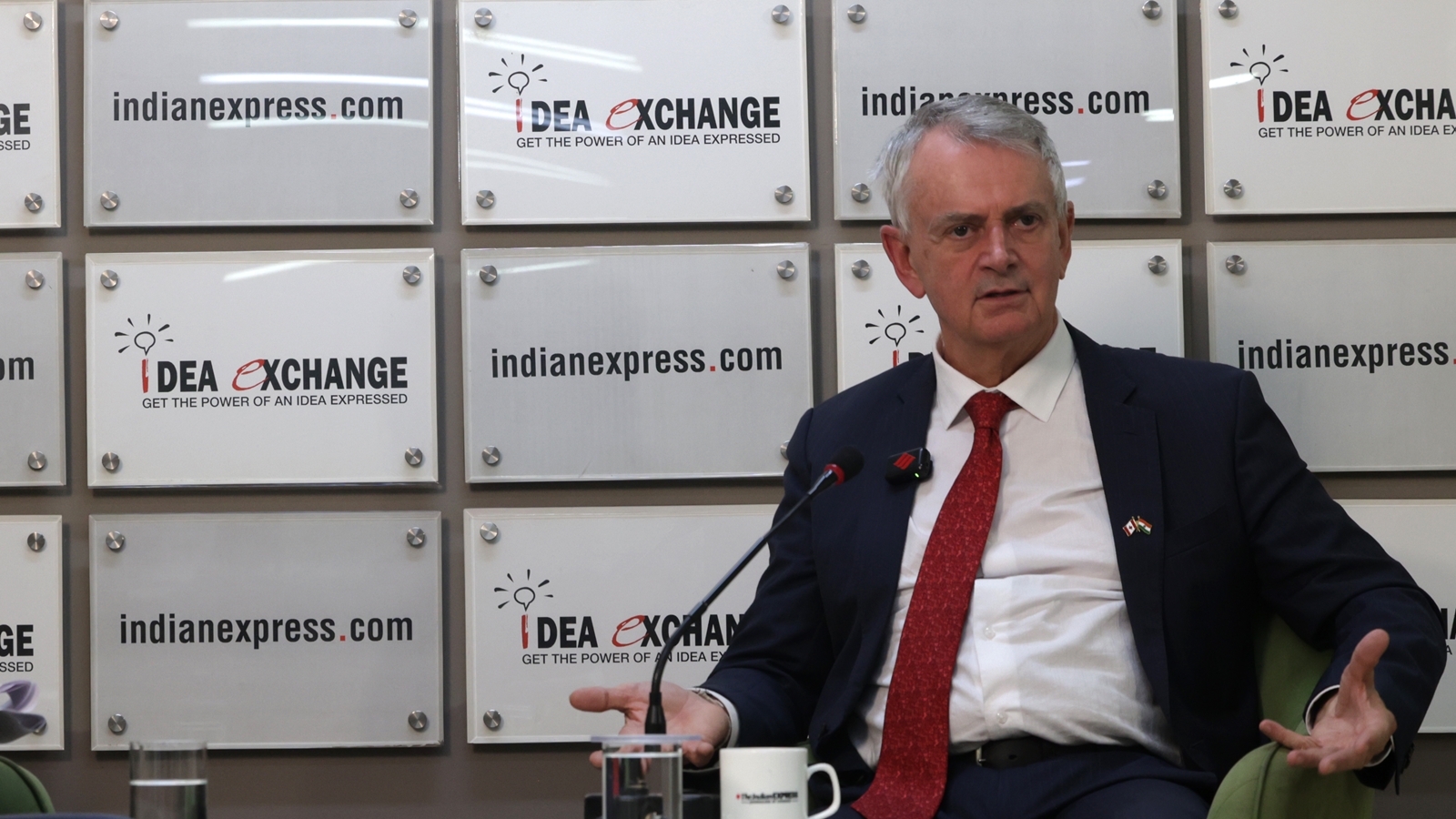
During a high-profile session at the 'Idea Exchange,' Canadian High Commissioner to India, Christopher Cooter, articulated a visionary outlook for the future of India-Canada relations. He posited that by combining their respective resources, talent, and scale, the two nations possess the potential to become true 'world beaters' on the global stage.
The discussion delved into the complex journey from the turbulent period marked by allegations surrounding the Hardeep Singh Nijjar case to the current state of rebuilding. Cooter noted that while there was a significant breakdown of trust at the official level in the past, recent months have seen a remarkable transformation through consistent diplomatic engagement and high-level meetings.
Navigating Security and Trust
Addressing the elephant in the room, Cooter emphasized that Canada is taking proactive steps to address security concerns that impact both nations. This includes listing the Bishnoi gang as a terrorist entity and establishing a financial crimes commission to combat extortion threats against the Indian diaspora in Canada. He highlighted that security officials from both countries are now in regular contact to prevent future misunderstandings.
"We want to build something that we’ve never had before with India, and our Prime Minister is committed to it."
The Economic Pivot
A significant portion of the dialogue focused on the pragmatic shift in Canadian foreign policy. Cooter noted that the current Canadian leadership, backed by strong economic expertise, views India as a pivotal global player. This economic-first approach aims to insulate broader bilateral relations from specific legal or political disputes, ensuring that trade and development remain on an upward trajectory.
BozokMedia analysis shows that this shift is not merely transactional but is also deeply rooted in the shared interests of a massive diaspora. With nearly two million people of Indian origin in Canada, the emotional and social fabric of the relationship is being mended alongside the political one.
Why This Matters
In an era of global instability—marked by conflicts in West Asia and Ukraine—the strengthening of the India-Canada corridor is vital for energy security and economic resilience. As both nations seek to diversify their supply chains and reduce dependency on single sources, their partnership becomes a cornerstone for stability in the Indo-Pacific region.
Frequently Asked Questions
1. How is Canada addressing security concerns related to India?
Canada has taken steps such as designating certain criminal gangs as terrorist entities and increasing intelligence sharing to protect the diaspora.
2. What is the main driver of the new India-Canada relationship?
The relationship is increasingly driven by economic pragmatism, energy security, and the need for resilient global trade partnerships.