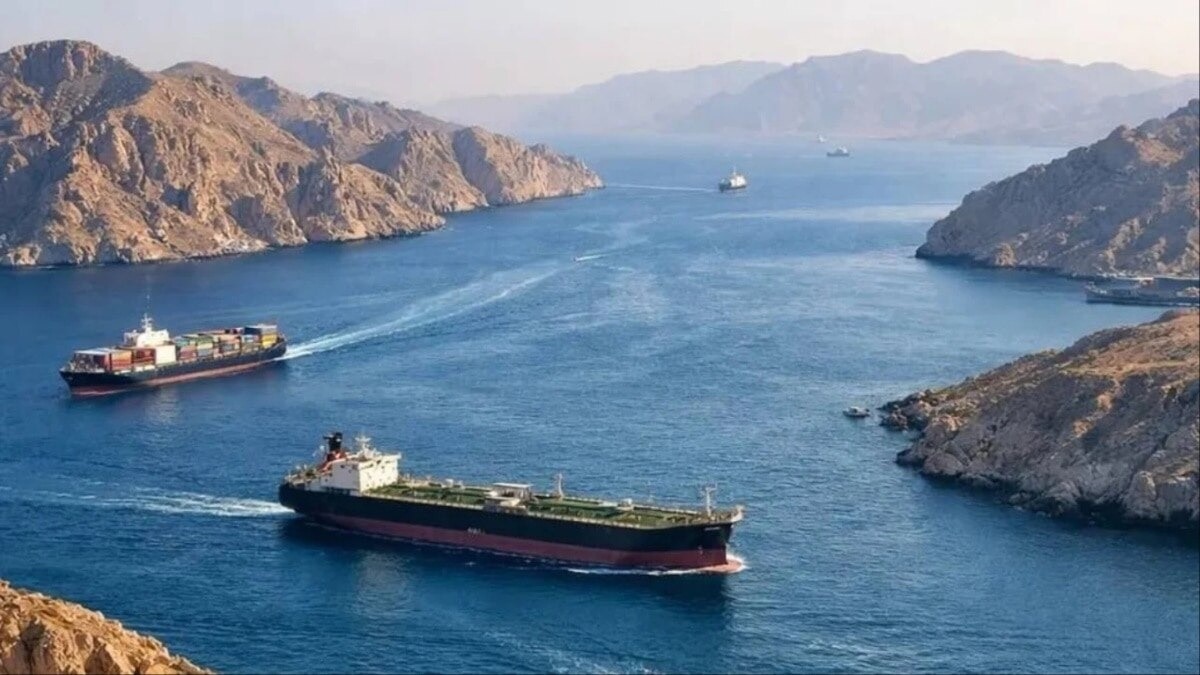
In a significant escalation of regional tensions, Iran has announced the creation of a new restricted zone near the Strait of Hormuz, threatening to blacklist unauthorized ships.
- Iran is set to declare a new 'Exclusion Zone' outside the Strait of Hormuz.
- Ships entering without permission will be placed on Iran's official blacklist.
- The zone will extend from the US Navy blockade line into parts of the Persian Gulf.
- Formal maritime agreements between Iran and Oman are expected soon.
In a move that has sent ripples through global energy markets, Iran has announced plans to establish a new restricted zone in the Persian Gulf. Mohsin Rezai, Secretary of Iran's Supreme National Security Council, confirmed that this zone will be implemented in the coming days, directly challenging the maritime dominance of Western powers in the region.
According to Rezai, the proposed exclusion zone will originate from the US Navy's blockade line and extend into strategic portions of the Persian Gulf. He issued a stern warning: any vessel entering this zone without explicit authorization from the Islamic Republic will be immediately added to Iran's sanction list, effectively crippling its ability to participate in international trade.
Why This Matters
BozokMedia analysis shows that the Strait of Hormuz is one of the world's most critical maritime chokepoints. Any restriction in this area has an immediate and profound impact on global oil supplies and energy security. The move by Tehran could lead to a surge in crude oil prices and heightened military tensions between Iranian forces and the US-led coalition in the Middle East.
The designation of a new exclusion zone by Iran represents a tactical shift in managing maritime choke points to exert geopolitical leverage.
The announcement also serves as a direct rebuttal to US President Donald Trump. Rezai dismissed claims that the waterways remain fully open as a 'massive lie,' noting that vessel traffic through the Strait of Hormuz has significantly dwindled. He reported that currently, only seven to eight ships pass through daily, with a majority carrying essential supplies for Iran.
Historical Background
The Strait of Hormuz has long been a flashpoint for conflict between Iran and the United States. For decades, the US and its allies have sought to ensure 'freedom of navigation' in these waters, while Iran has frequently used its geographical position to assert its regional influence and respond to economic sanctions. This ongoing tug-of-war remains a cornerstone of Middle Eastern geopolitical instability.
Adding to the complexity, US Treasury Secretary Scott Bessent recently noted that while Iran holds approximately 30 million barrels of crude oil, US naval blockades and sanctions are making it increasingly difficult for Tehran to find buyers, even in markets like China. Meanwhile, Iranian Parliament Speaker Mohammad Bagher Ghalibaf warned that the rules of engagement have changed, signaling a more assertive stance from Tehran.
Frequently Asked Questions
1. What happens to ships that enter the restricted zone?
Ships entering without permission will be blacklisted by the Iranian government, facing severe international sanctions.
2. How does this affect global oil prices?
Increased tension in the Strait of Hormuz typically leads to higher oil prices due to fears of supply disruptions.