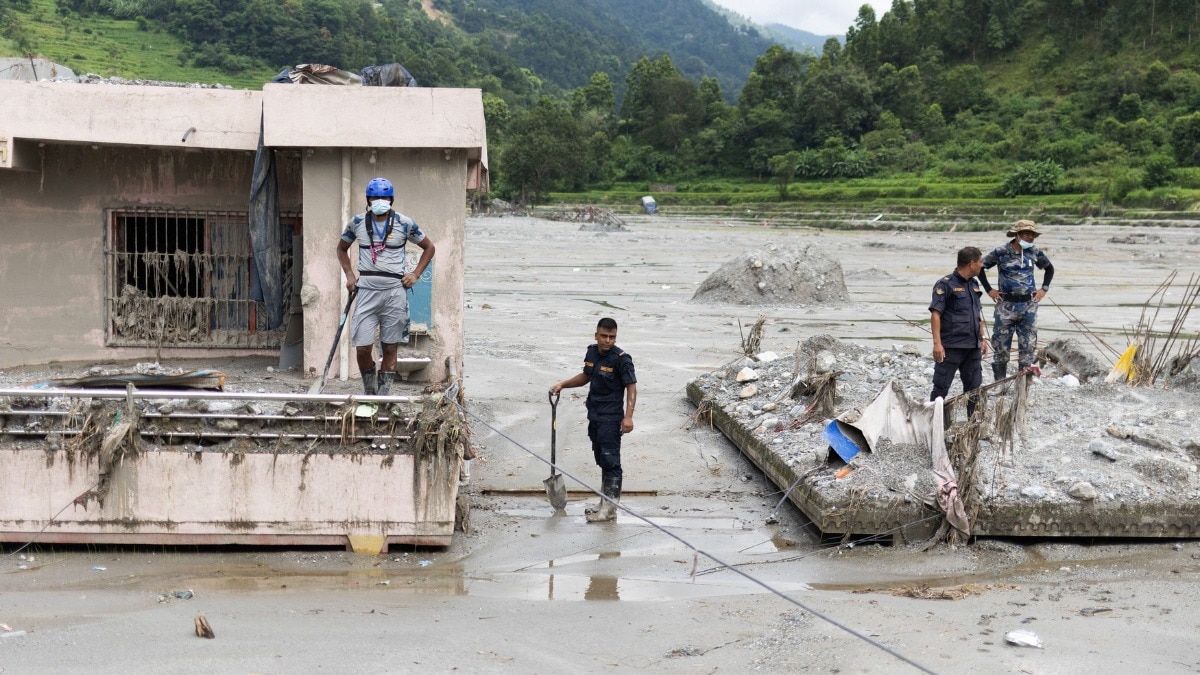
Following devastating floods in Nepal, authorities have warned citizens against selling or hiding gold, silver, or cash recovered from debris. This follows the arrest of 29 individuals for looting a bank vault.
- Nepal Police warned against selling or hoarding valuables found in flood debris.
- 29 people were arrested in Dhading district for looting a bank vault.
- Over 1,300 deaths have been reported due to the recent floods and landslides.
- Found items must be reported to the nearest police station immediately.
In the wake of the catastrophic floods and landslides that have ravaged Nepal, the Nepal Police has issued a stern warning to the public. Authorities have declared that any gold, silver, cash, or other valuables recovered from the debris must not be sold, shared, or hidden. Citizens are urged to surrender any found assets or important documents to the nearest police station to ensure they are returned to their rightful owners.
This high-alert advisory follows a shocking incident in the Dhading district, where 29 individuals were apprehended. The suspects were allegedly involved in breaking open a bank vault that had been swept away by the floodwaters to extract cash. This incident took place near the Trishuli River in the Belkhukhola area of Galchhi Rural Municipality.
Why This Matters
BozokMedia analysis shows that during large-scale natural disasters, criminal activities such as looting, theft, and fraud often spike as security forces are preoccupied with search and rescue operations. Viral videos showing individuals scavenging through mud for currency notes and jewelry have highlighted a growing concern regarding law and order during humanitarian crises.
The exploitation of a natural disaster for personal gain represents a severe breakdown of social ethics and legal compliance.
The scale of the tragedy in Nepal is immense. The sudden flash floods, triggered by avalanches near the Nepal-Tibet border on August 26, have claimed more than 1,300 lives, with approximately 5,000 people still missing. The Bhote Koshi River carried massive volumes of water, destroying homes, vehicles, roads, bridges, and critical hydropower infrastructure.
Historical Background: The Himalayan region is increasingly prone to extreme weather events due to climate change. Events like Glacial Lake Outburst Floods (GLOF) have become more frequent, posing an existential threat to mountain communities. The current disaster has dealt a massive blow to the national economy, with preliminary estimates suggesting losses of nearly $2.56 billion.
| Metric | Details/Figures |
|---|---|
| Death Toll | 1,300+ |
| Missing Persons | ~5,000 |
| Estimated Economic Loss | $2.56 Billion |
| Arrests in Dhading | 29 Suspects |
Frequently Asked Questions
Question 1: What should I do if I find valuables in the flood-affected areas?
Answer: You should immediately report the find to the police and surrender the items to help them reach the original owners.
Question 2: Is it a crime to keep gold found in the wreckage?
Answer: Yes, concealing, using, or trading found property is considered a criminal offense under Nepali law.
