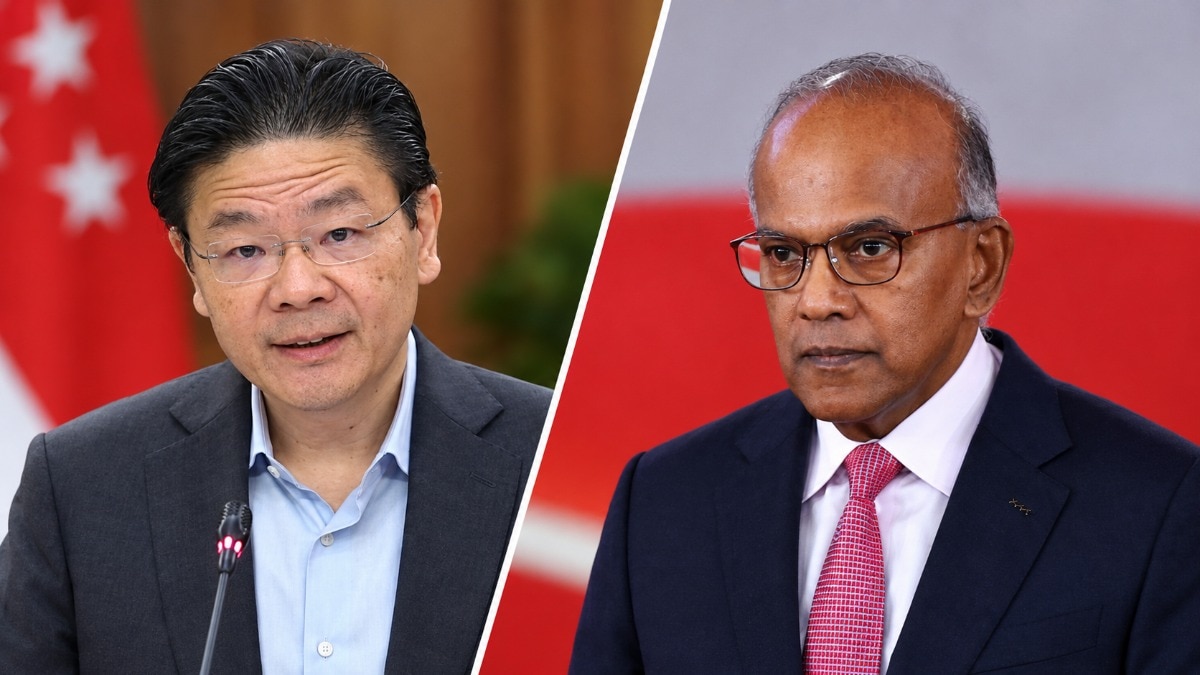
The Singaporean government has launched a crackdown on racist and xenophobic online abuse targeting Indians following the Nepal floods and a strategic investment deal between Singapore Airlines and Air India.
- Singapore PM Lawrence Wong and Home Minister K Shanmugam condemn surge in anti-Indian online abuse.
- Hate speech triggered by Nepal flash floods and Singapore Airlines' (SIA) investment in Air India.
- Police investigations launched into racist comments and derogatory stereotypes used on social media.
- Government warns that unchecked prejudice threatens Singapore's multiracial social fabric.
The government of Singapore has taken a stern stance against a disturbing wave of racist and xenophobic abuse targeting the Indian community. This surge in online hostility has emerged across two distinct but simultaneous triggers: the devastating flash floods in Nepal and the high-profile financial dealings between Singapore Airlines (SIA) and Air India.
Prime Minister Lawrence Wong expressed grave concern on Sunday, stating that the city-state must never allow prejudice against any community to be normalized. He noted that while robust debate is a hallmark of a healthy society, using legitimate arguments as a veil to fuel hostility toward foreigners or specific ethnic groups is entirely unacceptable. The Prime Minister emphasized that these views do not represent the majority of Singaporeans but warned that ignoring them could deepen communal mistrust.
The situation escalated after the August 26 flash floods in Nepal, which left over a thousand dead and nine Singaporeans missing. Shockingly, some online commenters suggested that rescue efforts for the missing Singaporeans should be withheld because the victims appeared to be of Indian descent. Home Affairs Minister K Shanmugam, who is of Indian origin, described these comments as "shameful, nasty, and totally unacceptable," specifically highlighting the use of derogatory terms like "ABNN" to target Indians.
Why This Matters
BozokMedia analysis shows that this incident is not merely about online trolling but is a critical test of Singapore's "CMIO" (Chinese-Malay-Indian-Other) multiracial model. In a country where ethnic harmony is legally protected and socially mandated, the emergence of such blatant xenophobia suggests a fragility in social cohesion that the state is desperate to repair before it becomes a systemic issue.
Parallel to the tragedy in Nepal, a second wave of abuse targeted the corporate world. As Air India sought approximately $1.5 billion from shareholders, including SIA, online trolls began attacking the deal. The abuse shifted from corporate critique to racial stereotypes, with mentions of "curry, prata, and black magic." The backlash extended to Temasek and its CEO Dilhan Pillay Sandrasegara, with trolls baselessly claiming that Pillay's Indian ethnicity influenced the investment decision.
"Allowing ethnicity to become a basis for attacking professional decisions creates a dangerous precedent where no citizen is safe from racial profiling in their career."
Minister Shanmugam has since ordered the police to investigate the perpetrators, insisting that anonymity on the internet should not be a shield for hate speech. Furthermore, the Ministry of Digital Development and Information is coordinating with social media platforms to remove content that violates community guidelines.
Historically, Singapore has maintained a zero-tolerance policy toward racial disharmony through the Maintenance of Religious Harmony Act and other strict legal frameworks. This current crisis marks one of the more visible instances of digital-age xenophobia challenging the state's narrative of a seamless multiracial identity.
Frequently Asked Questions
Q1: What triggered the anti-Indian posts in Singapore?
The abuse was triggered by the disappearance of Singaporeans in the Nepal floods and the investment by Singapore Airlines in Air India.
Q2: What actions is the Singapore government taking?
The police are investigating the authors of the posts, and the government is working with social media platforms to remove racist content.