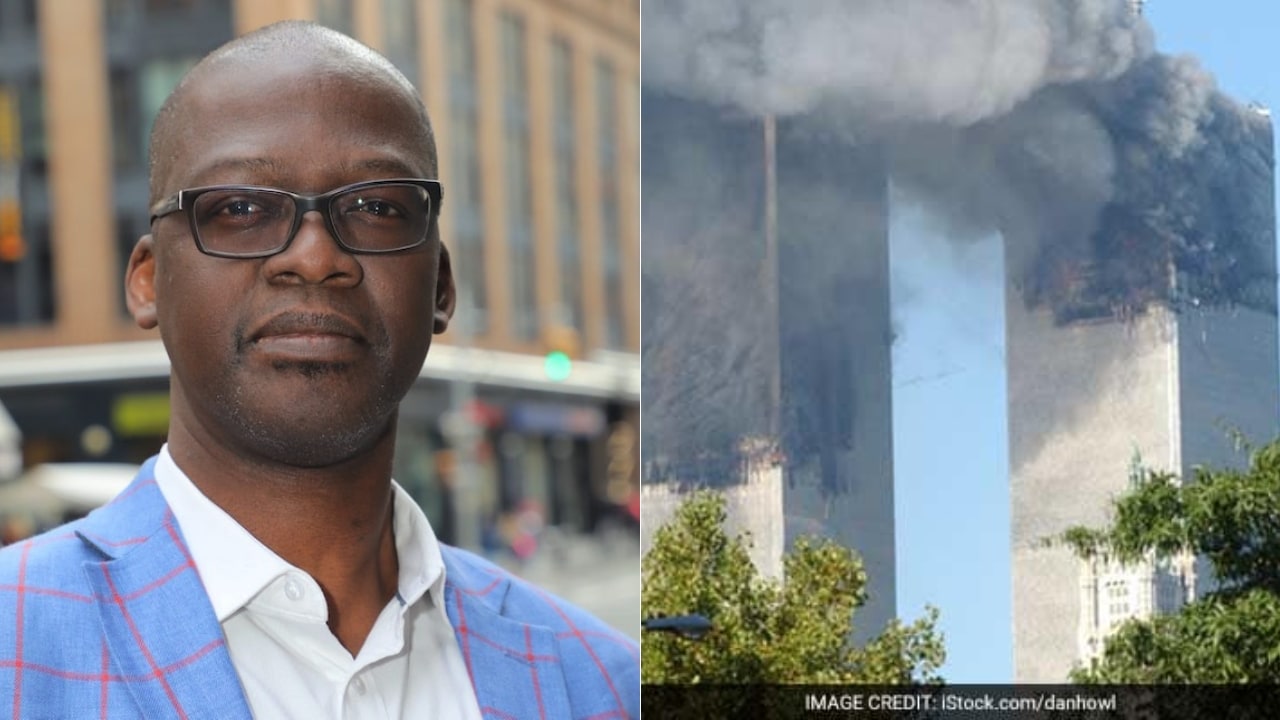
Sekou Siby was scheduled to be at the World Trade Center on the morning of September 11, but a sudden change in plans kept him safe with his family.
- Sekou Siby was rostered to supervise the breakfast station at the WTC.
- A last-minute shift change allowed him to stay home with his pregnant wife.
- His survival stands as a profound testament to chance and timing.
The morning of September 11, 2001, remains etched in the collective memory of humanity as a moment of unimaginable horror. For Sekou Siby, it was a day that should have ended in tragedy, but instead became a story of profound survival. Siby was originally scheduled to be on-site at the World Trade Center, supervising the breakfast cold-food station.
However, fate intervened through a seemingly minor administrative adjustment. Instead of reporting to the towers, Siby found himself at home, supporting his pregnant wife. This deviation from his professional routine meant he was miles away from the epicenter when the first planes struck, sparing him from the catastrophe that claimed thousands of lives.
Historical Background
The 9/11 terrorist attacks were a series of coordinated suicide attacks by the militant Islamist group al-Qaeda against the United States. The attacks targeted the Twin Towers of the World Trade Center in New York City, resulting in the collapse of both buildings and a massive loss of life, fundamentally altering global geopolitics and security protocols forever.
Why This Matters
BozokMedia analysis shows that the concept of 'near-misses' in historical tragedies often highlights the extreme volatility of human existence. Siby’s experience serves as a powerful reminder of how individual trajectories can be altered by the smallest of logistical shifts.
In the chaos of historical tragedy, the smallest administrative detail can become the thin line between life and death.
While the world mourned the loss of colleagues and loved ones who were at their posts, Siby’s story offers a perspective on the sheer randomness of survival. It underscores the reality that being in the 'right place at the wrong time' can be a death sentence, while being in the 'wrong place at the right time' can be a miracle.
Frequently Asked Questions
Question 1: What was Sekou Siby's job at the WTC?
Answer: He was scheduled to supervise the breakfast cold-food station.
Question 2: Why wasn't he at the World Trade Center on 9/11?
Answer: Due to a shift swap, he was at home with his pregnant wife instead of being on duty.