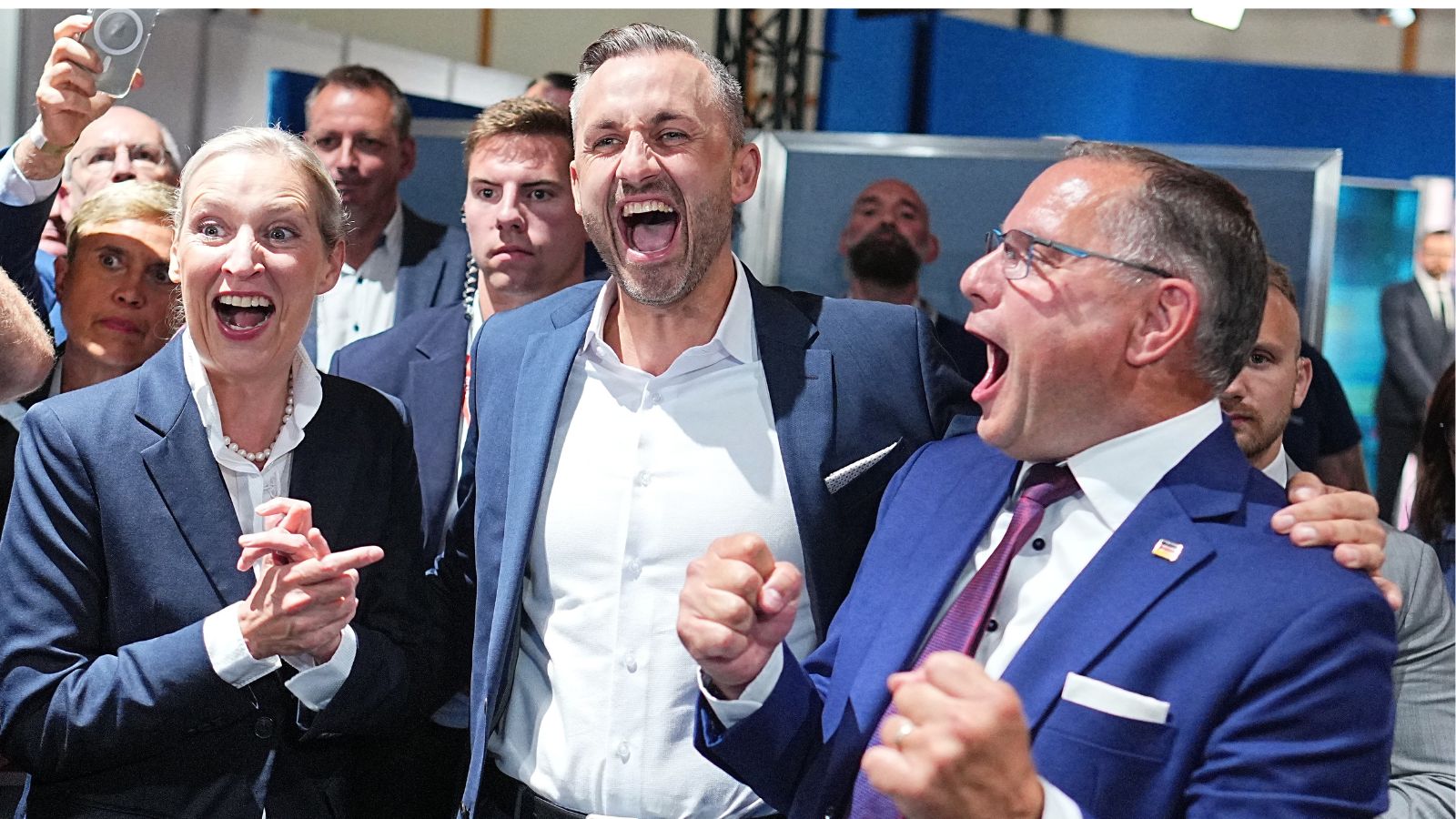
The Alternative for Germany (AfD) has achieved a historic breakthrough in Saxony-Anhalt, propelled by the charismatic 35-year-old Ulrich Siegmund. His rise marks a potential shift in German politics not seen since the post-war era.
- AfD secured a historic 44% vote share in the Saxony-Anhalt state elections.
- 35-year-old Ulrich Siegmund has emerged as the pivotal leader of this far-right surge.
- Siegmund's rise signals a significant shift toward nationalism in eastern Germany.
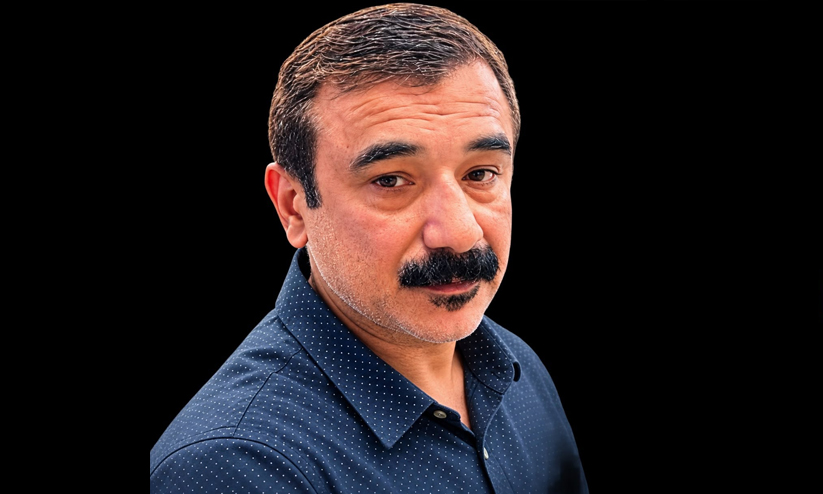
The political landscape of Germany has been fundamentally shaken by the recent election results in the eastern state of Saxony-Anhalt. The far-right Alternative for Germany (AfD) party has achieved a historic milestone, capturing at least 44 percent of the vote according to exit polls. At the heart of this seismic shift is Ulrich Siegmund, a 35-year-old politician whose charisma and controversial ideology are redefining the nation's political discourse.
Siegmund, born in 1990 just weeks after German reunification, represents a new generation of far-right leadership. Before entering the political arena, he studied business psychology and managed a small enterprise. His ascent to becoming the AfD's top candidate in the state, backed by 97 percent party support, positions him as a potential historic figure—possibly the first far-right leader of a German state since the mid-20th century.
Embracing the 'Dangerous' Label
In a move that has stunned political analysts, Siegmund has leaned into his controversial reputation. After Der Spiegel labeled him "Germany's most dangerous man," rather than issuing a denial, Siegmund embraced the moniker. He has leveraged his massive following of 800,000 on TikTok to turn this label into a badge of honor, autographing copies for his supporters and reinforcing his brand as a disruptor of the status quo.
Siegmund's ability to weaponize controversial labels through social media makes him a formidable force in modern populist politics.
However, the controversy surrounding him extends beyond mere headlines. Germany's domestic intelligence agency has classified his state chapter as right-wing extremist. Critics point to his involvement in a 2023 meeting where the controversial "remigration" plan—aimed at expelling millions of people with immigrant backgrounds—was discussed. Furthermore, several of his colleagues have ties to banned neo-Nazi youth organizations.
Why This Matters: BozokMedia Analysis
BozokMedia analysis shows that Siegmund's victory is not an isolated event but a bellwether for the rest of eastern Germany. His platform—centered on deporting undocumented migrants, reducing multiculturalism, and fighting "woke" culture—resonates deeply with a segment of the electorate that feels alienated by mainstream politics. This momentum poses a direct threat to the traditional dominance of the CDU and could drastically alter the trajectory of upcoming federal elections.
As the AfD continues to gain ground, the tension between traditional democratic values and rising ethno-nationalism is set to become the defining conflict in German politics for the foreseeable future.
Frequently Asked Questions
1. What is the 'remigration' plan mentioned in the news?
It is a controversial political concept discussed by far-right groups involving the large-scale deportation of people with immigrant backgrounds.
2. How does Siegmund use social media?
He uses platforms like TikTok to engage directly with a younger demographic, bypassing traditional media to build a massive personal following.