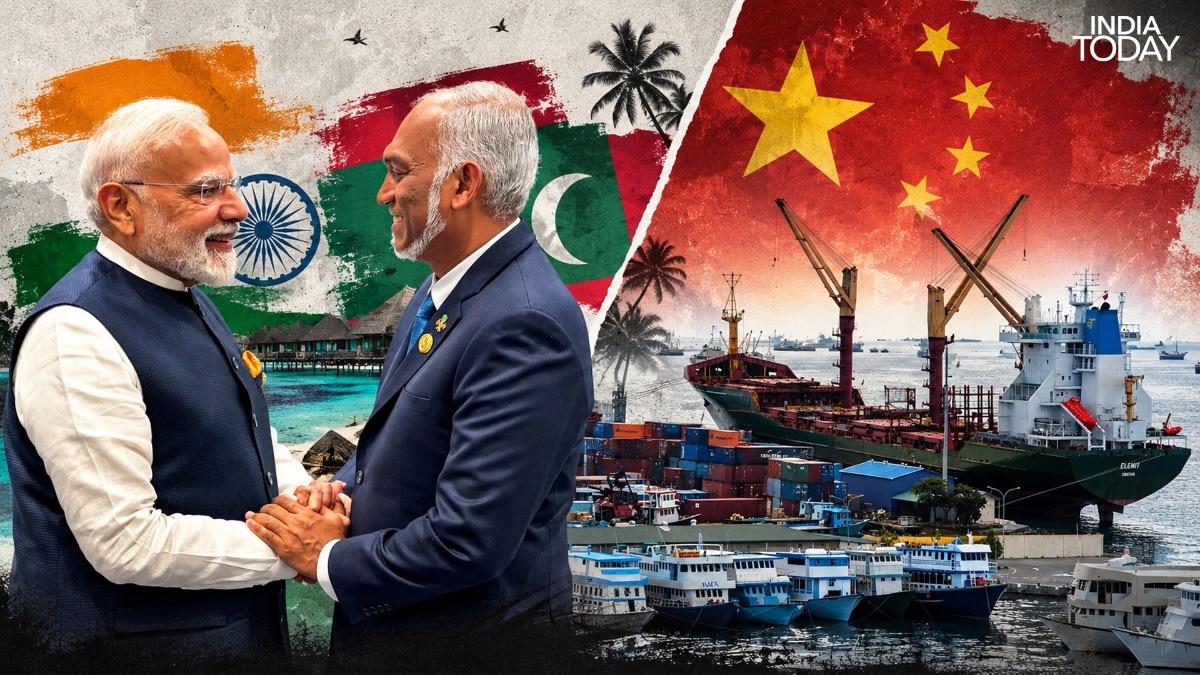
In a significant diplomatic blow, the Maldives has awarded a major high-ticket project to China, raising questions about the efficacy of India's 'Neighbourhood First' policy and the growing influence of Beijing in the Indian Ocean.
- Maldives has prioritized China for a major infrastructure project over Indian bids.
- The move signals a potential shift in Male's foreign policy toward a more pro-China stance.
- India's role as the primary regional security provider is being challenged by Chinese economic diplomacy.
The geopolitical landscape of the Indian Ocean has witnessed a jarring shift as the Maldives opted to award a massive, high-ticket project to China. While official diplomatic channels between Male and New Delhi continue to operate, observers suggest that India has received little more than 'lip service' while the actual strategic and economic dividends are being handed to Beijing.
This decision comes at a time when India has been aggressively pursuing its 'Neighbourhood First' policy, aiming to strengthen ties with immediate neighbors to counter China's expansionism. The Maldives' decision to align with China for this specific project underscores a growing trend where economic allure and rapid infrastructure delivery from China outweigh long-term security partnerships with India.
Why This Matters
BozokMedia analysis shows that this is not merely a commercial transaction but a strategic maneuver. By securing a foothold in the Maldives, China strengthens its 'String of Pearls' strategy, effectively encircling India. The ability of China to offer large-scale, fast-tracked funding creates a competitive pressure that India's more cautious and transparent lending processes often struggle to match.
"The Maldives is playing a dangerous game of balancing two giants, but the scales are currently tipping toward the side that provides the most immediate capital."
Historical Background
Historically, India has been the first responder to any crisis in the Maldives, most notably during Operation Cactus in 1988. For decades, New Delhi was the undisputed partner in Male's development. However, the oscillation between pro-India and pro-China administrations in the Maldives has become a recurring theme, reflecting the internal political volatility of the island nation.
| Feature | India's Approach | China's Approach |
|---|---|---|
| Funding Model | Grants and Soft Loans | Commercial Loans/Debt-heavy |
| Core Objective | Regional Stability | Strategic Access/Infrastructure |
| Diplomatic Tool | Security Partnership | Belt and Road Initiative (BRI) |
Frequently Asked Questions
1. Why did the Maldives choose China over India?
Likely due to more aggressive funding packages and a desire by the current administration to diversify its strategic dependencies.
2. How does this affect India's security?
It increases the risk of Chinese intelligence or military assets gaining access to key points in the Indian Ocean, potentially monitoring Indian naval movements.


