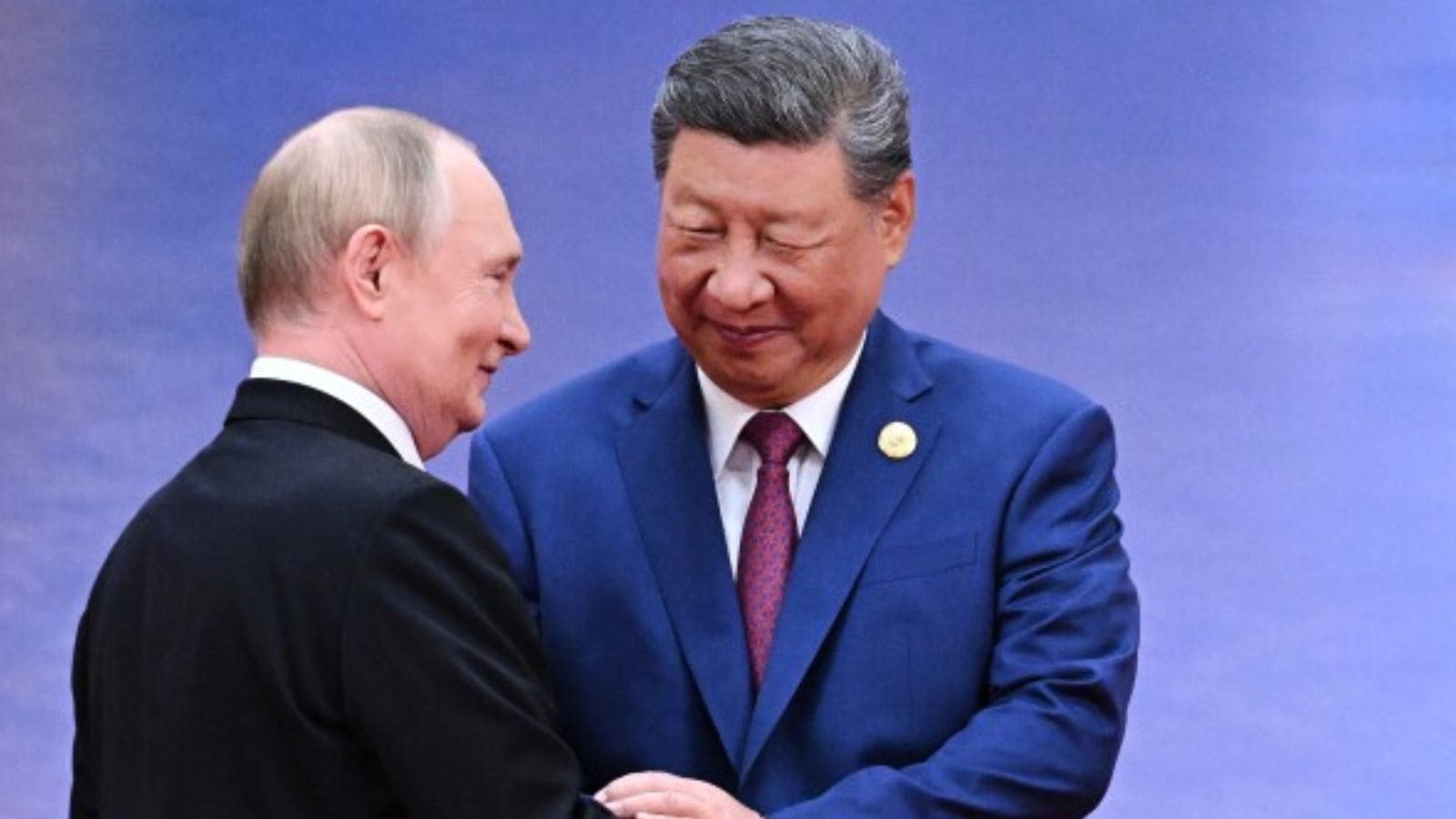
A potential trilateral meeting between the leaders of the US, China, and Russia is casting a long shadow over the BRICS summit in Delhi, signaling a possible shift toward a new global directorate.
- A potential summit between Trump, Xi, and Putin could redefine global leadership.
- Internal divisions in BRICS, specifically between Iran and the UAE, are weakening the bloc's cohesion.
- The emergence of a 'G3' power structure poses a strategic risk of exclusion for India.
As leaders gather in Delhi this week, the BRICS summit aims to deepen cooperation in sectors like agriculture, health, and digitalization. However, while the forum progresses incrementally, the global political landscape is shifting at a breakneck pace. While BRICS seeks to counter American hegemony, its core drivers—Russia and China—are actively exploring strategic accommodations with the United States.
The focus of the international community is shifting away from lengthy BRICS declarations toward high-stakes bilateralism. Much of the attention is centered on Prime Minister Narendra Modi's potential meeting with Xi Jinping, marking a significant moment for stabilizing border tensions and resetting economic ties between the two giants.
Why This Matters
BozokMedia analysis shows that the geopolitical gravity is shifting. The potential for a 'G3' arrangement—comprising the US, China, and Russia—could create a new global directorate that bypasses existing multilateral frameworks like BRICS.
The emergence of a G3 global leadership could mark the definitive successor to the Yalta System that shaped the post-WWII era.
The internal dynamics of BRICS are also facing unprecedented strain. The ongoing regional tensions in the Middle East have created a rift between Iran and the United Arab Emirates (UAE). While Tehran seeks a unified stance against Western military action, Abu Dhabi prioritizes maritime freedom and sovereignty, preventing a consensus in recent ministerial meetings.
On the global stage, Donald Trump's preference for leader-driven diplomacy remains a wildcard. His belief in personal rapport with Vladimir Putin and Xi Jinping could lead to major deals, though this approach faces intense scrutiny from European allies and Asian security partners who fear being sidelined in any potential 'grand bargain.'
Unlike Russia, China enters these negotiations from a position of strength. Xi Jinping is positioning China as both the voice of the Global South and a co-equal manager of the international order. If the rumored trilateral meeting in Shenzhen occurs, it would signal a fundamental restructuring of global power.
| Feature | BRICS Approach | Potential G3 Approach |
|---|---|---|
| Core Goal | Multipolarity & Anti-Hegemony | Triangular Global Management |
| Key Drivers | Russia, China, India, Brazil | USA, China, Russia |
Frequently Asked Questions
1. How does the G3 affect BRICS? A G3 summit could marginalize BRICS by creating a new power center that includes the very rivals BRICS seeks to balance.
2. What is India's role? India faces the challenge of maintaining its strategic autonomy while ensuring it is not excluded from any new triangular global leadership.