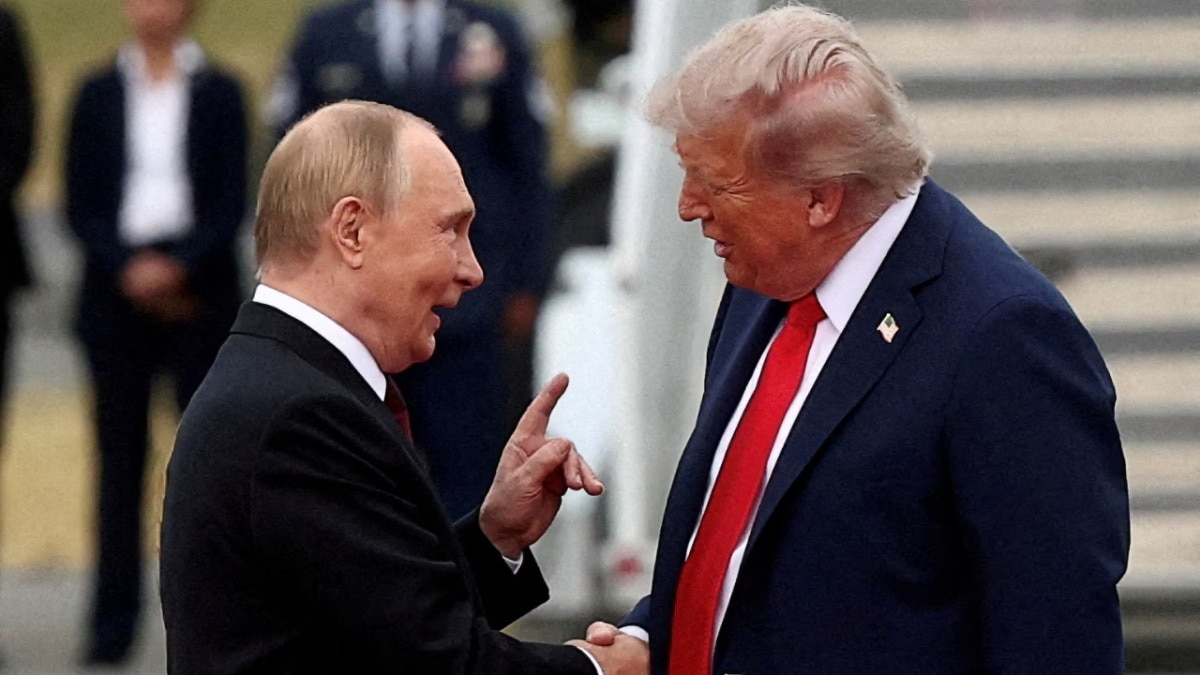
In a high-stakes diplomatic move, President Donald Trump held a constructive hour-long conversation with Vladimir Putin, pushing for a rapid conclusion to the Ukraine war to restore US-Russia relations.
- President Trump and Vladimir Putin engaged in a 'constructive and frank' hour-long phone call.
- US envoys Steve Witkoff and Jared Kushner conducted back-to-back visits to Moscow and Kyiv.
- Trump linked the end of the Ukraine conflict to a broader restoration of US-Russia economic and trade ties.
- President Zelenskyy acknowledged 'worthwhile ideas' in the US peace proposals but continues to demand enhanced air defenses.
In a significant escalation of diplomatic efforts, President Donald Trump and Russian President Vladimir Putin engaged in a comprehensive hour-long telephone conversation on Tuesday. This call follows a strategic shuttle diplomacy mission by US envoys Steve Witkoff and Jared Kushner, who visited Moscow on September 5 and Kyiv on September 6. The overarching objective of these interactions is to revive stalled peace negotiations and bring a swift end to the devastating war in Ukraine.
According to Kremlin foreign affairs adviser Yuri Ushakov, the tone of the conversation was "constructive and frank." Trump explicitly communicated his desire for the conflict to terminate as quickly as possible. In return, Putin provided a detailed briefing on the current state of the battlefield and outlined specific steps the United States could take to facilitate a ceasefire. Both leaders viewed the recent diplomatic contacts as a positive step toward stability.
Why This Matters
BozokMedia analysis shows that this shift represents a pivot toward 'transactional diplomacy.' By linking the cessation of hostilities to the "full restoration of relations" and "enormous benefits" in trade and economic ties, Trump is attempting to incentivize Putin with economic rewards rather than relying solely on military pressure. This approach seeks to redefine the geopolitical landscape by treating the war as a barrier to bilateral prosperity.
The shift from ideological confrontation to economic incentive-based diplomacy could be the only viable path to a ceasefire, though it risks alienating traditional European allies.
While Moscow expressed a lack of "aggressive plans" toward Europe to calm regional anxieties, Kyiv remains cautiously optimistic. President Volodymyr Zelenskyy noted that the proposals brought by Kushner and Witkoff contained "very good, worthwhile ideas." However, Zelenskyy's support is conditional upon security guarantees and the strengthening of Ukraine's air defenses, specifically requesting more Patriot systems to counter Russian drone and missile strikes.
The logistical requirements for Ukraine's defense remain steep. Reports indicate a need for 300 Patriot missiles and approximately $2 billion for additional drone capabilities. The European Commission has already stepped in with a 3.2 billion euro loan to support these efforts, highlighting that while diplomacy is on the table, military readiness remains the priority for Kyiv.
Looking ahead, a potential face-to-face meeting between Trump and Zelenskyy is anticipated around September 20 during the UN General Assembly in New York. This meeting will likely serve as the litmus test for whether the 'peace package' proposed by the US can translate into a formal agreement. Ukraine has indicated it may consider compromises on grain exports and energy as part of a broader negotiating process.
Frequently Asked Questions
1. What was the primary goal of the Trump-Putin call?
The primary goal was to discuss a swift end to the Ukraine war and explore how ending the conflict could lead to a broader restoration of US-Russia diplomatic and economic relations.
2. How has Ukraine responded to the US peace proposals?
President Zelenskyy described some of the ideas as 'very good' but emphasized that any deal must include strong security guarantees and increased military support for air defense.
