Russian Foreign Minister Sergei Lavrov has described the Mecca Pact as an open security framework for the Gulf, suggesting that Iran's inclusion could be a practical step toward regional stability.
- Russia views the Mecca Pact as an inclusive framework for regional collective security.
- The potential inclusion of Iran could stabilize the Persian Gulf dynamics.
- Sergei Lavrov emphasized reducing global reliance on the US Dollar.
- The pact involves key players: Saudi Arabia, Pakistan, and Turkey.
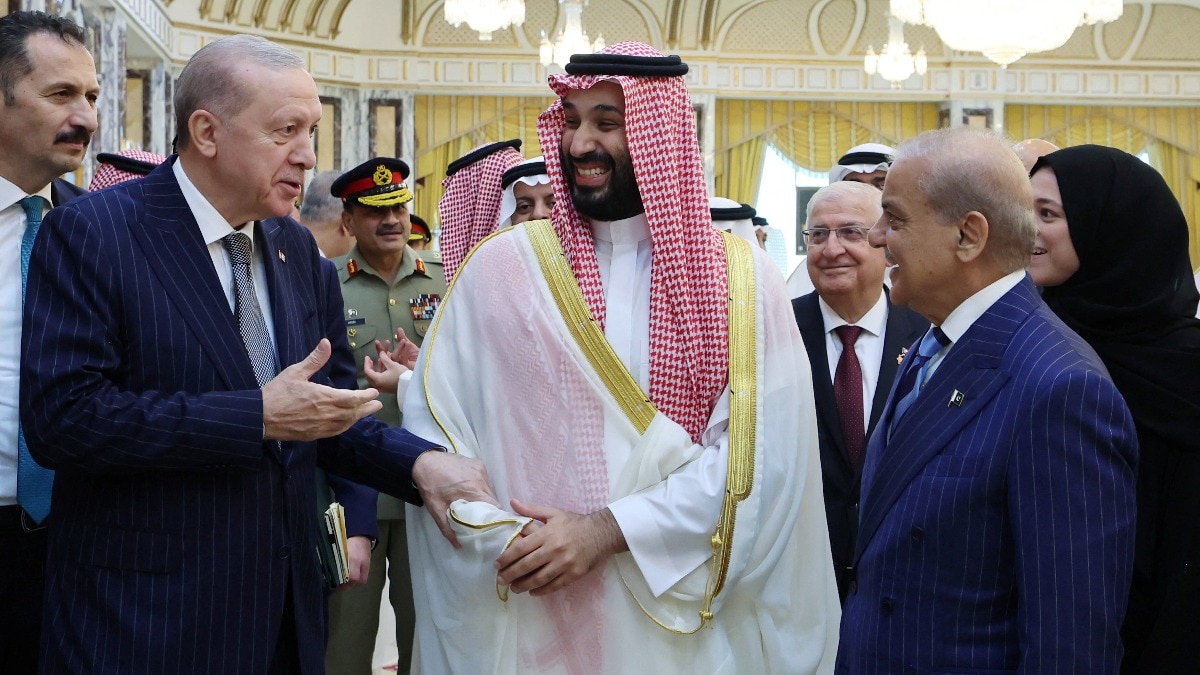
The geopolitical landscape of the Middle East and South Asia is undergoing a significant transformation. Russian Foreign Minister Sergei Lavrov has made a profound statement regarding the Mecca Pact, describing it as an open framework for Gulf security. This pact, recently highlighted by the defense agreement between Saudi Arabia, Pakistan, and Turkey, has sent ripples through international diplomatic circles.
Addressing students and faculty at the Moscow State Institute of International Relations, Lavrov noted that the essence of this agreement lies in the concept of collective security and defensive alliances. He emphasized that the doors of this framework are not closed to other regional powers, specifically mentioning Egypt and potentially Algeria as interested parties.
Why This Matters
BozokMedia analysis shows that the shift toward a regional security architecture that includes both Sunni and Shia powers like Saudi Arabia and Iran could diminish the strategic necessity for heavy US military presence in the Gulf, effectively reshaping global power corridors.
The move toward regional autonomy in security and trade is a direct challenge to the existing unipolar global order.
A pivotal part of Lavrov's address was the potential role of Iran. He suggested that if terms for Iran's participation can be established, it would represent the most practical step toward the regional security arrangement that Russia has advocated for over two decades. Russia has long proposed a forum involving the Arab League, the OIC, and the UN Security Council to foster mutual trust.
Beyond security, the economic dimension of de-dollarization was a major theme. Lavrov highlighted that Russia's international trade is increasingly moving away from the US Dollar. He claimed that approximately 97% of Russia's international transactions are now conducted in Yuan, UAE Dirhams, and other national currencies, mitigating the risk of economic blackmail through sanctions.
| Feature | Traditional Framework | Proposed Mecca/Regional Framework |
|---|---|---|
| Primary Security Provider | Western-led (USA) | Regional Powers (Saudi, Turkey, Pakistan, etc.) |
| Currency Dominance | US Dollar | Multi-currency (Yuan, Dirham, etc.) |
| Inclusivity | Limited Alliances | Open to regional players (Egypt, Iran, etc.) |
Frequently Asked Questions
1. What is the significance of the Mecca Pact?
It is a defense agreement between Saudi Arabia, Pakistan, and Turkey aimed at enhancing regional stability and collective security.
2. Why is Russia supporting Iran's entry?
Russia believes including Iran would make the security framework more comprehensive and practical for the entire Middle East region.