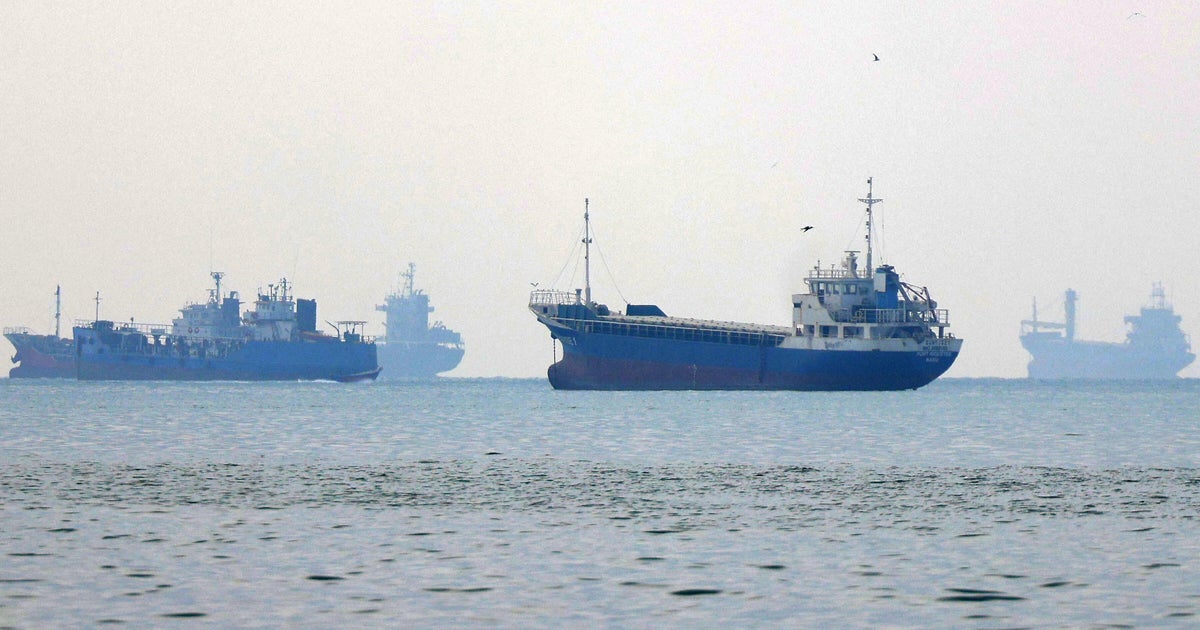
Global oil markets are reeling as Brent crude nears $100 per barrel following Iran's threat to establish a maritime exclusion zone in the Strait of Hormuz. While Qatar and China attempt diplomatic interventions, Houthi strikes in Saudi Arabia further destabilize the region.
- Brent crude oil surged to a seven-week high of $99 per barrel due to geopolitical instability.
- Iran plans to declare a maritime "exclusion zone" to intercept vessels without Tehran's permission.
- Qatar is collaborating with China to resume diplomacy and reopen the Strait of Hormuz.
- Houthi rebels launched strategic attacks on Saudi Aramco facilities and key airbases.
The geopolitical tension between the United States and Iran has reached a critical tipping point, sending shockwaves through the global energy market. Brent crude, the international benchmark for oil, climbed to $99 per barrel on Tuesday, marking a seven-week peak. This upward trajectory is directly linked to the ongoing stalemate in the Strait of Hormuz, a vital artery for global energy supplies.
In a provocative move, Mohsen Rezaei, head of Iran's Supreme National Security Council, announced that Tehran is preparing to implement a maritime "exclusion zone." This strategic maneuver would allow Iran to stop and inspect any vessel attempting to transit the waterway without explicit Iranian authorization. This threat follows U.S. military strikes that disabled three Iranian-owned oil tankers in the Persian Gulf and Gulf of Oman.
Why This Matters
BozokMedia analysis shows that the current volatility is not merely a result of isolated skirmishes but a systemic failure of international maritime security. Because the Strait of Hormuz is the primary exit point for oil from the Middle East, any prolonged blockade would trigger a global energy crisis, potentially pushing oil prices well above $120 per barrel and destabilizing Western economies.
"The current breakdown in shipping rules represents a structural shift in global trade, moving away from cooperation toward strategic fragmentation."
On the diplomatic front, Qatar has emerged as a key mediator. Qatari Prime Minister Mohammed bin Abdulrahman bin Jassim bin Jaber Al Thani recently met with Chinese officials in Beijing to coordinate a strategy to resume dialogue. China's role is pivotal, as it remains Iran's largest trade ally, absorbing approximately 45% of Tehran's oil sales. However, the U.S. continues to push for tougher sanctions on Iran's trade partners, creating a friction point between Washington and Beijing.
The conflict has also expanded into Yemen, where Iran-backed Houthi rebels have intensified their offensive. Recent strikes targeted the Abha International Airport and facilities belonging to the state-owned oil giant Aramco, leaving 73 people wounded. Experts suggest the Houthis are attempting to seize control of the Bab al-Mandab Strait, which has become a critical alternative route for Saudi oil exports while the Strait of Hormuz remains contested.
| Factor | Current Status | Global Impact |
|---|---|---|
| Oil Price (Brent) | $99/barrel | Increased global inflation |
| Strait of Hormuz | Stalemate/Blockade threat | Supply chain disruption |
| Diplomatic Efforts | Qatar-China led | Potential for fragile ceasefire |
Frequently Asked Questions
1. What is a maritime exclusion zone?
It is a designated area of the sea where a nation restricts the entry of foreign vessels, often used as a tool of economic or military leverage during conflicts.
2. How does the conflict in the Red Sea affect oil prices?
Attacks by Houthi rebels on the Bab al-Mandab Strait force tankers to take longer, more expensive routes around Africa, increasing shipping costs and final consumer prices.

