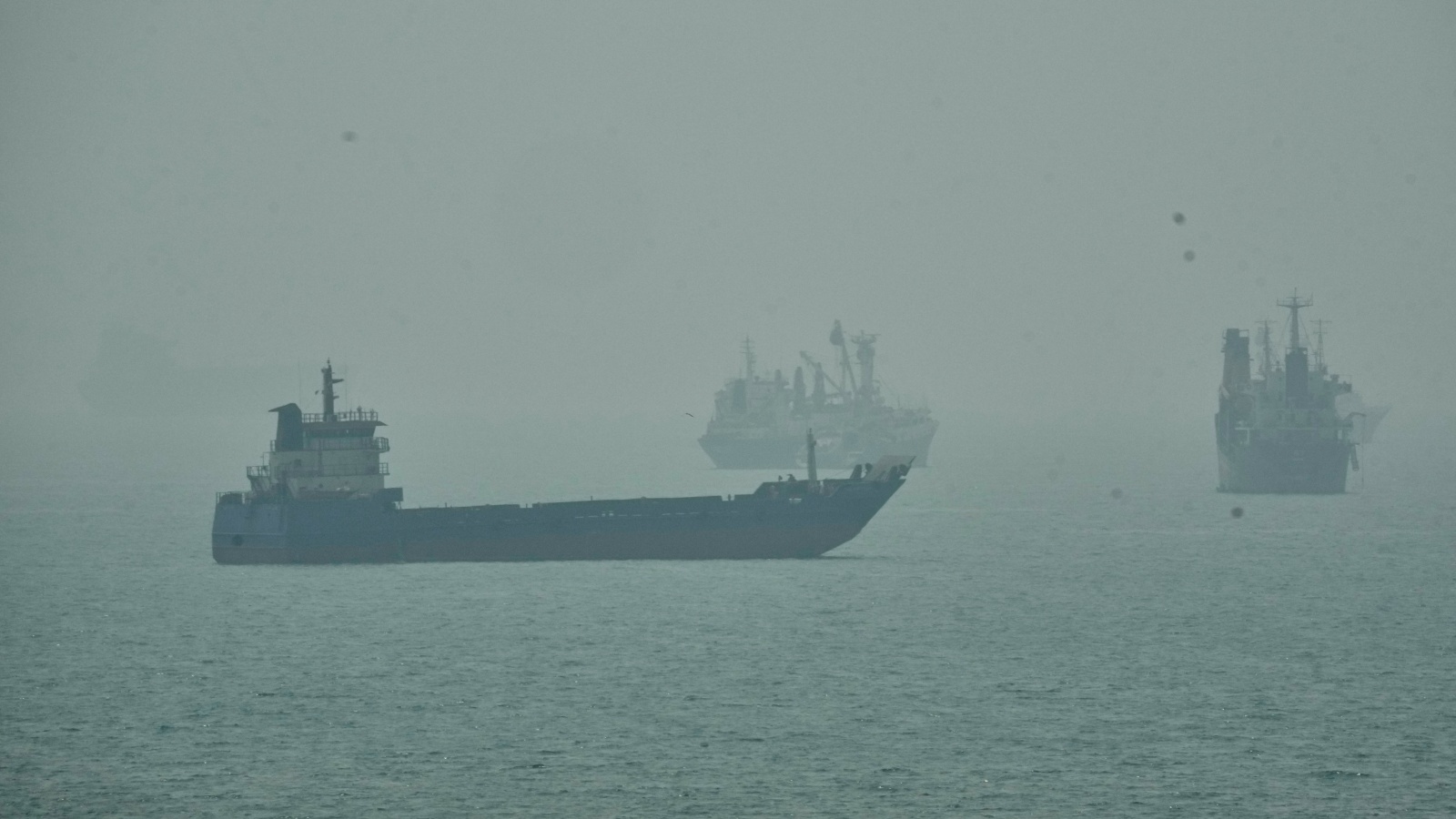
To safeguard its trade and energy exports from the ongoing volatility in the Strait of Hormuz, the UAE is aggressively expanding its eastern coast infrastructure, including ports, pipelines, and railways.
- UAE is expanding ports, pipelines, and rail networks on its eastern coast.
- The blockade in the Strait of Hormuz has severely disrupted global energy supplies.
- India has significantly increased LPG imports from the US to mitigate risks.
In response to months of geopolitical deadlock and potential blockades in the Strait of Hormuz, the United Arab Emirates (UAE) has announced a major strategic shift. The nation intends to bypass this critical waterway by expanding its port capacity, pipelines, and trade corridors along its eastern coast to ensure that its economic activity remains uninterrupted.
Speaking at the Hili Forum in Abu Dhabi, UAE Presidential adviser Anwar Gargash emphasized that the nation will no longer allow its economic interests to be vulnerable to regional tensions. "Our energy exports will not be held hostage, nor will our trade and economic activity," Gargash stated, highlighting the development of alternative routes to maintain global connectivity.
The Impact on India's Energy Security
This move carries profound implications for India, one of the UAE's largest trading partners. India's energy security is deeply intertwined with the stability of the Persian Gulf. Historically, the Strait of Hormuz has been the primary artery for India's energy imports, facilitating nearly 40% of its crude oil, 60% of its LNG, and a staggering 90% of its LPG supplies.
BozokMedia analysis shows that the disruption in the Strait has forced New Delhi to rapidly diversify its energy sourcing. The volatility has not only threatened supply chains but has also contributed to inflationary pressures on domestic fuel prices like petrol, diesel, and LPG.
The closure of Hormuz has effectively redrawn the global energy map, forcing nations to seek security through diversification rather than traditional routes.
The Rise of the United States as a Key Supplier
As traditional Gulf supplies faced disruptions, the United States emerged as a critical alternative for India. Shipping data reveals a massive shift: India's LPG imports from the US surged from less than 10% to over 50% in the six months following the onset of the conflict. Despite higher freight costs, the necessity of securing cooking gas has made American propane a vital lifeline for the Indian market.
Historical Context: The Hormuz Deadlock
The Strait of Hormuz remains one of the world's most sensitive maritime chokepoints. The current crisis stems from a complex deadlock involving Iran, which claims jurisdiction over the strait, and Western powers, including the US, which demand freedom of navigation. The breakdown of previous ceasefire attempts has left the region in a state of high alert, making the UAE's infrastructure expansion a necessity rather than a choice.
| Energy Type | Pre-Disruption Dependency (via Hormuz) | Current Trend |
|---|---|---|
| Crude Oil | ~40% | Increased search for non-Gulf sources |
| LNG | ~60% | Diversification in progress |
| LPG | ~90% | Massive shift toward US imports |
Frequently Asked Questions
1. Why is the UAE expanding its eastern coast?
To create alternative trade and energy routes that do not rely on the Strait of Hormuz, protecting them from potential blockades.
2. How has India responded to the Hormuz crisis?
India has turned to the United States to secure its LPG and energy needs, significantly increasing imports from American suppliers.