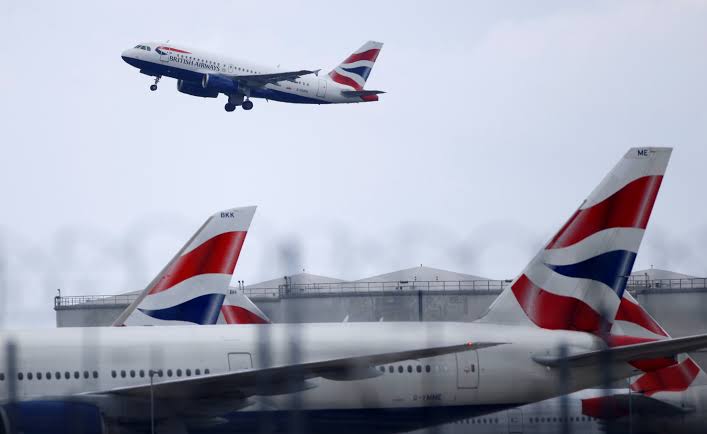
A critical technical failure in the United Kingdom's air traffic control system has led to the cancellation and delay of hundreds of flights, leaving thousands of passengers stranded.
- Hundreds of flights cancelled or delayed across the UK.
- Technical glitch in the air traffic control (ATC) system identified as the cause.
- Thousands of passengers facing travel disruptions and airport congestion.
The aviation sector in the United Kingdom has been thrown into turmoil following a significant technical glitch within the national air traffic control system. On September 8, 2026, aviation authorities reported a systemic failure that severely hampered the ability of controllers to manage airspace safely, leading to immediate operational restrictions.
As the glitch persisted, major hubs including London Heathrow and Gatwick saw a surge in cancellations. Airlines were forced to ground flights to prevent airspace congestion and ensure passenger safety, resulting in long queues and chaotic scenes at terminals. The disruption has affected both domestic routes and critical international connections, impacting global travel schedules.
Why This Matters
BozokMedia analysis shows that the UK's reliance on aging legacy infrastructure for air traffic management creates a single point of failure. In an era of increasing flight volumes, such a glitch highlights the urgent need for digitized, redundant systems to prevent economic losses and passenger distress. The ripple effect of these delays often extends to European and North American hubs, proving how interconnected global aviation is.
"A systemic failure in ATC is not just a logistical nightmare but a critical safety risk that demands immediate infrastructure modernization."
Historically, the UK has faced similar challenges with its NATS (National Air Traffic Services) systems. Previous outages have revealed vulnerabilities in how the system handles flight plan data, often triggering automatic shutdowns when the system encounters unexpected data inputs. This current incident suggests that previous patches may have been insufficient to handle current traffic loads.
Aviation experts suggest that the recovery process will be slow, as controllers must manually verify flight paths and schedules before resuming full capacity. This 'catch-up' phase often leads to secondary delays for flights scheduled for the following day.
| Impact Area | Immediate Effect | Long-term Consequence |
|---|---|---|
| Passengers | Stranded at Airports | Loss of Trust in UK Aviation |
| Airlines | Operational Losses | Increased Insurance Premiums |
| ATC System | System Shutdown | Mandatory Infrastructure Audit |
Frequently Asked Questions
Q1: How can passengers seek compensation for cancelled flights?
Passengers are generally entitled to refunds or rerouting under UK aviation laws (UK261), depending on the nature of the disruption.
Q2: Is this a cybersecurity attack or a technical error?
While authorities are investigating, initial reports point toward a technical system glitch rather than a malicious external breach.


