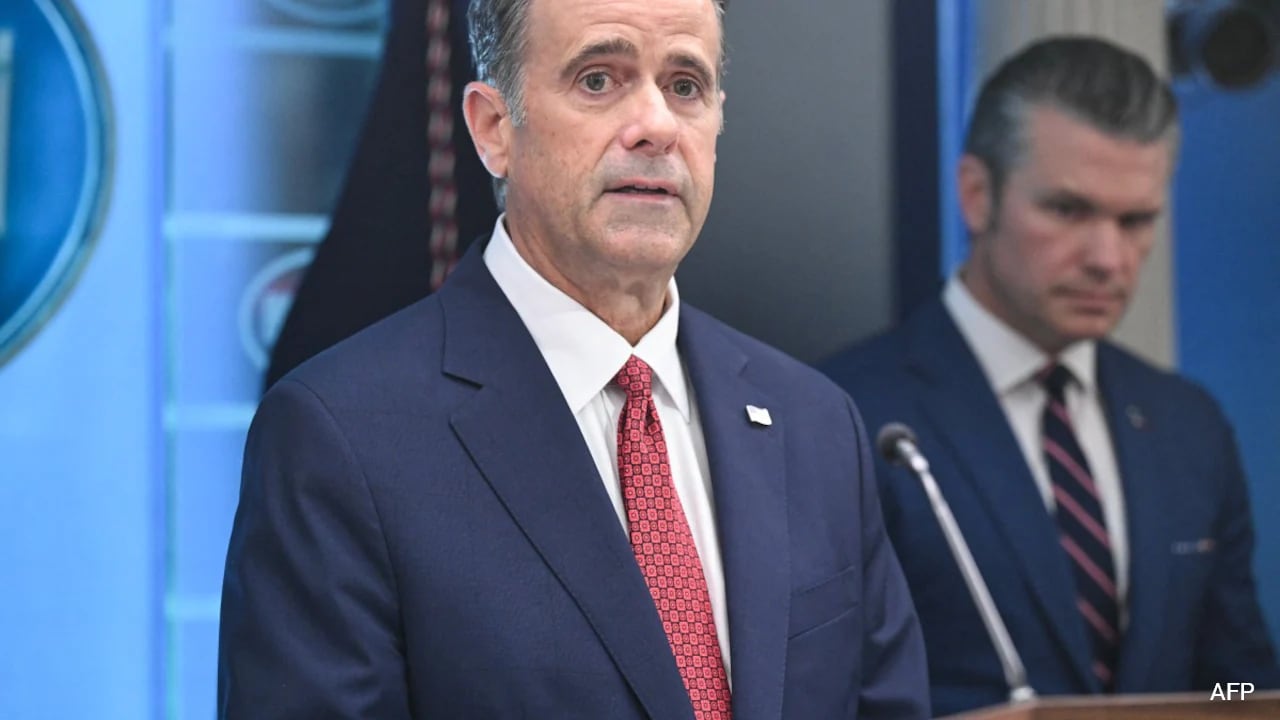
A mounting household debt crisis is pushing young Argentines into severe financial distress, forcing a critical debate in Congress over relief measures as living costs soar under President Javier Milei's austerity measures.
- Borrowers under 25 have the highest delinquency rate in Argentina at 37.6%.
- Digital payment apps are fueling a debt spiral due to triple-digit annual interest rates.
- Congress is currently debating 50 proposals to cap interest rates and restructure household debt.
Household debt has emerged as a critical pressure point in Argentina, creating a systemic crisis that disproportionately affects the youth. As the cost of living surges and job prospects remain bleak, millions of families are being forced to borrow simply to survive. This trend is now evolving into a significant political liability for President Javier Milei.
The human cost of this crisis is exemplified by Martin Taborda, a 20-year-old law student at the University of Buenos Aires. What began as a modest USD 100 loan via a mobile app for educational supplies ballooned into a USD 1,300 debt due to predatory interest rates. Taborda's experience mirrors a broader trend where young citizens feel trapped in a cycle of borrowing to survive, often feeling like 'parasites' in a stagnant job market.
Why This Matters
BozokMedia analysis shows that while President Milei has successfully reduced annual inflation from 289% to roughly 34%, the 'shock therapy' approach has a hidden cost. The removal of subsidies for energy and transport has increased daily expenses faster than wages can recover. This creates a paradox where macroeconomic stability is achieved, but microeconomic survival becomes nearly impossible for the lower and middle classes.
"There was a time when people took out loans to buy a house or a car; now people take out loans to buy food to make it to the end of the month."
Data from the Center for City Studies indicates that nearly half of Argentina's 45 million people are in debt, with over 5 million already in default. The vulnerability of the youth is stark, with a 37.6% delinquency rate among those under 25, reflecting a generation that is financially crippled before even entering the professional workforce.
In response, labor unions and debtor groups have converged on Congress, urging lawmakers to adopt relief plans. While Milei's libertarian party has agreed to debate the proposals, the administration remains resistant to direct intervention. Economy Minister Luis Caputo has emphasized that while banks may ease terms, empathy should not dictate public policy.
| Metric | Previous Economic Era | Current (Milei Era) |
|---|---|---|
| Loan Purpose | Asset Acquisition (Homes/Cars) | Subsistence (Food/Utilities) |
| Inflation Trend | Hyper-inflationary Peak | Rapidly Decelerating |
| Primary Credit Source | Traditional Banking | High-Interest Fintech Apps |
The psychological toll is equally devastating. A survey by the University of Buenos Aires' Applied Social Psychology Observatory found that over 80% of adults in the capital region report that economic hardship has severely impacted their mental well-being. This has led to the rise of support groups resembling 'Alcoholics Anonymous,' where students share the shame and stress of their financial burdens.
Frequently Asked Questions
1. Why are young people in Argentina specifically targeted by this debt crisis?
Lack of entry-level jobs and the removal of essential subsidies make them more reliant on high-interest digital loans for basic survival.
2. How is the government responding to the crisis?
The government is debating relief proposals in Congress, though President Milei maintains that debt is a private contractual matter rather than a state responsibility.