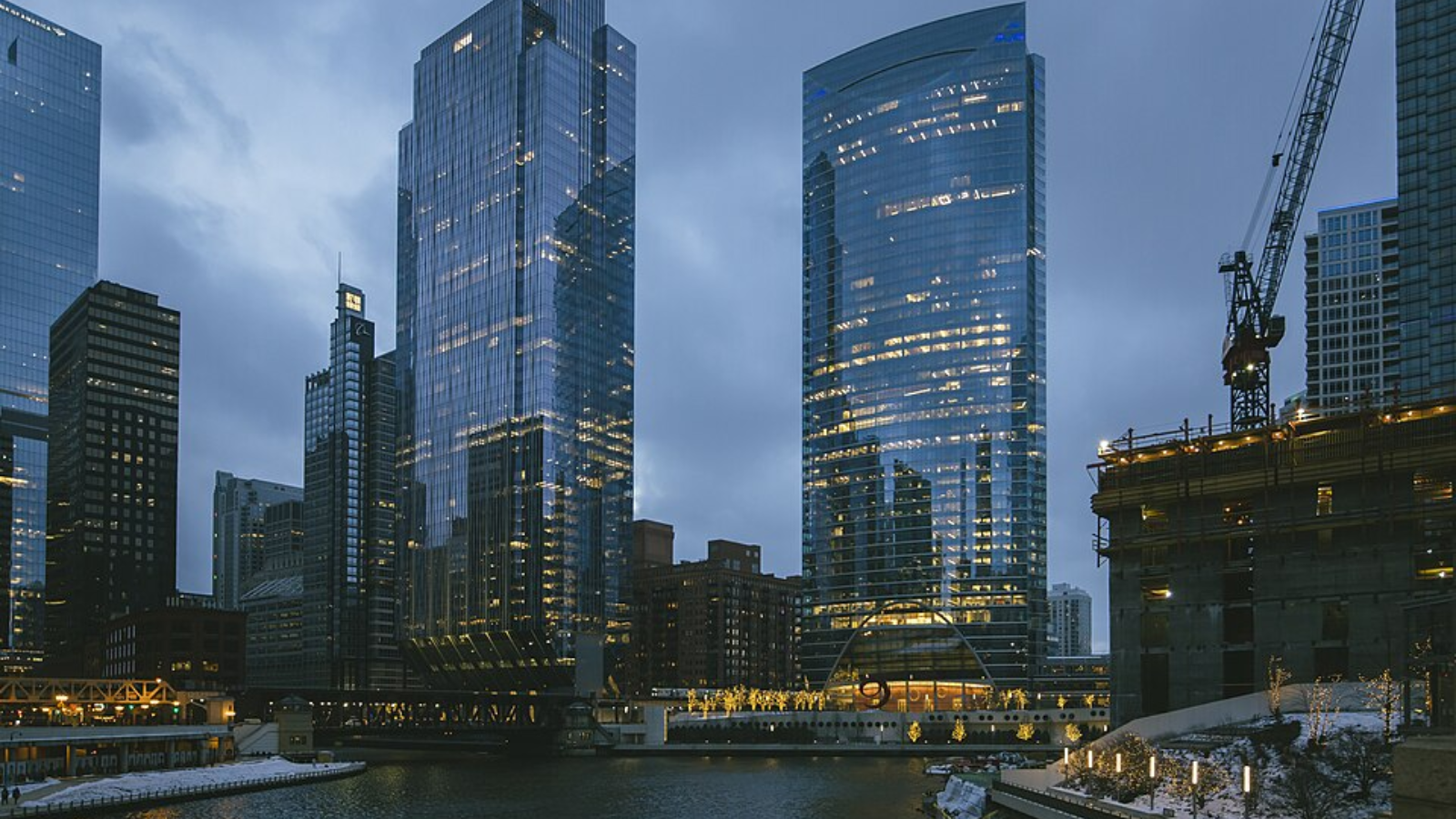
A comprehensive analysis by AlphaGeo reveals a stark divide in global climate preparedness, placing Chicago at the top while Ahmedabad ranks as the world's least resilient city.
- Chicago is the world's most climate-resilient city due to geographical advantages and infrastructure investment.
- Ahmedabad, India, ranks as the least resilient city globally, facing extreme heat and flooding risks.
- South Asian cities dominate the 'least resilient' list, highlighting a critical gap in adaptation capacity.
In an era of escalating environmental volatility, a groundbreaking study by AlphaGeo has shed light on the varying capacities of global urban centers to withstand climate-induced disasters. The Climate Risk & Resilience Index, which analyzed 72 major cities, distinguishes between raw physical exposure and the "adaptation delta"—the gap between a city's risk profile and its actual ability to adapt through policy and infrastructure.
According to the report, Chicago has emerged as the global leader in resilience. This ranking is attributed to a combination of its temperate latitude, abundant freshwater resources, and a relatively low risk of hurricanes. More importantly, Chicago has proactively invested in massive adaptation projects, most notably the Deep Tunnel Project, which serves as a critical defense against urban flooding and water pollution.
Why This Matters
BozokMedia analysis shows that climate resilience is no longer just an environmental concern but a core economic and security imperative. The disparity between cities like Chicago and Ahmedabad demonstrates that wealth and governance are the primary drivers of survival in the face of global warming. While some cities build tunnels, others remain trapped in a cycle of reactive disaster management.
The index evaluates cities based on six critical hazard layers: inland and coastal flooding, heat stress, drought, wildfires, and hurricane winds. For cities in the top tier, such as Addis Ababa, Melbourne, and Barcelona, the synergy of low baseline exposure and high adaptation investment creates a safety buffer that prevents climate events from becoming catastrophes.
"Measuring resilience is as important as talking about it; the gap between risk and adaptation is where the true danger lies for urban populations."
Conversely, the report paints a grim picture for South Asia. The region accounts for six of the most vulnerable cities, with Ahmedabad ranking dead last. The primary drivers of vulnerability in this region are extreme heat exposure and inadequate adaptation rates. Kolkata also figures prominently among the most vulnerable, facing the dual threats of rising sea levels and intense monsoon rainfall.
| Rank | Most Resilient Cities | Least Resilient Cities |
|---|---|---|
| 1 | Chicago, USA | Ahmedabad, India |
| 2 | Addis Ababa, Ethiopia | Hyderabad, Pakistan |
| 3 | Melbourne, Australia | Multan, Pakistan |
| 4 | Barcelona, Spain | Dhaka, Bangladesh |
| 5 | Ankara, Turkey | Lahore, Pakistan |
The vulnerability of these cities is further exacerbated by regional instability and the increasing frequency of extreme weather events, such as the devastating floods recently seen in Nepal and Tibet. For cities like Dhaka and Karachi, the lack of robust infrastructure makes every monsoon a potential humanitarian crisis.
Frequently Asked Questions
What is the 'Adaptation Delta'?
It is the difference between a city's physical exposure to climate risks and its capacity to adapt through infrastructure, wealth, and governance.
Which region is most at risk according to AlphaGeo?
South Asia is the most vulnerable region, with cities in India, Pakistan, and Bangladesh facing the highest risks due to heat and flooding.