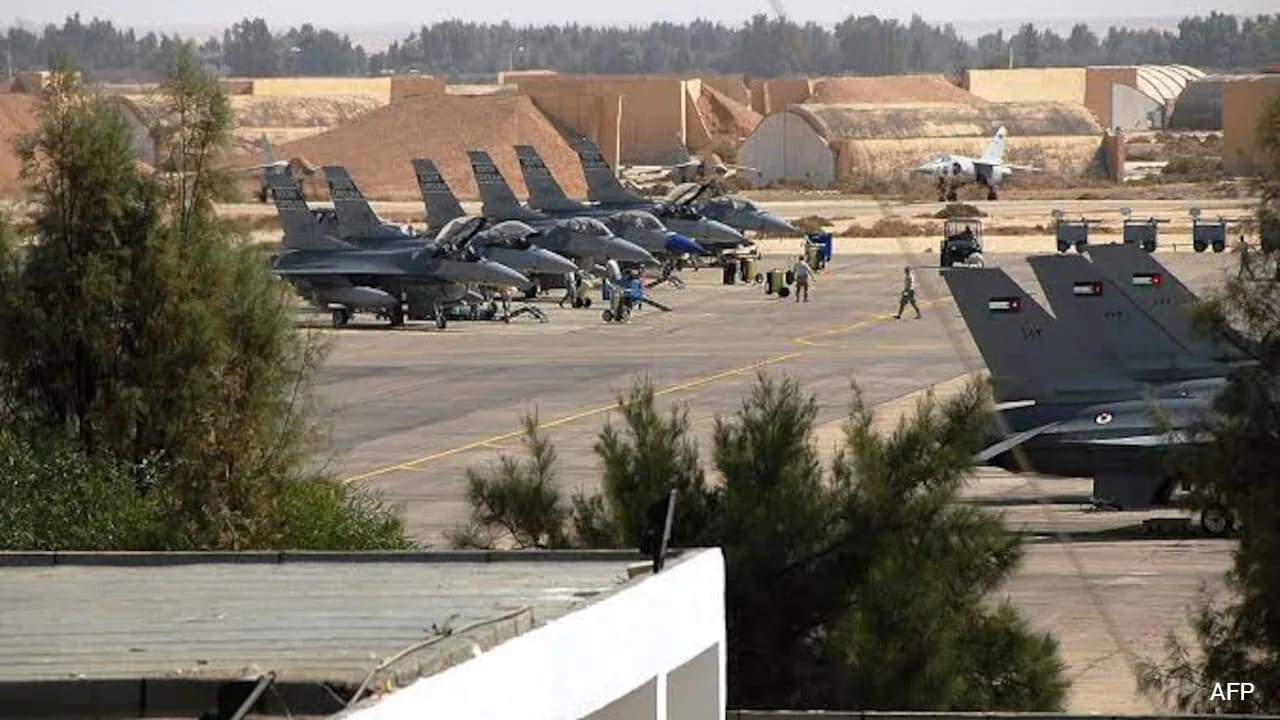
Former US President Donald Trump has claimed that the ongoing tensions and potential conflict with Iran will not reach a resolution until after the US midterm elections. This statement raises critical questions about the intersection of foreign policy and domestic political cycles.
- Donald Trump predicts Iran conflict resolution post-midterm elections.
- Strategic alignment between US domestic politics and Middle East diplomacy.
- Advisers are preparing for a prolonged state of tension.
In a series of high-profile assertions reported across multiple news outlets, including BBC and NBC News, former US President Donald Trump has suggested that the geopolitical friction between the United States and Iran is inextricably linked to the US political calendar. According to Trump, a definitive end to the hostilities or a strategic resolution will only materialize once the US midterm elections have concluded.
This perspective suggests a calculated approach to diplomacy, where the timing of international agreements is leveraged to coincide with domestic political milestones. Reports from the Wall Street Journal indicate that top advisers are now confronting the stark possibility that the conflict could persist throughout the remainder of the current term, creating a state of prolonged instability in the Persian Gulf region.
Why This Matters
BozokMedia analysis shows that this alignment of foreign war efforts with election cycles indicates a trend of 'political diplomacy,' where geopolitical outcomes are timed to maximize domestic electoral gains. If the conflict is indeed being managed to last until after the midterms, it suggests that the human and economic costs of the tension are being weighed against political strategy.
The synchronization of military tension with electoral cycles often creates a volatile environment where diplomatic breakthroughs are used as political currency.
Historically, the US-Iran relationship has been characterized by extreme volatility, from the 1979 hostage crisis to the withdrawal from the JCPOA (Joint Comprehensive Plan of Action). The current climate of 'maximum pressure' versus 'strategic patience' continues to define the corridor of power in Washington and Tehran.
The implications of this timeline are significant. A prolonged conflict increases the risk of accidental escalation, affecting global oil prices and the security of shipping lanes in the Strait of Hormuz, which is a vital artery for global energy trade.
Frequently Asked Questions
Q1: Why would an election affect the Iran conflict?
Domestic political stability and the composition of Congress often dictate the US President's ability to sign treaties or authorize military spending.
Q2: What is the significance of the Midterm elections in this context?
Midterms often serve as a referendum on the sitting administration's foreign policy, influencing the leverage they have in international negotiations.