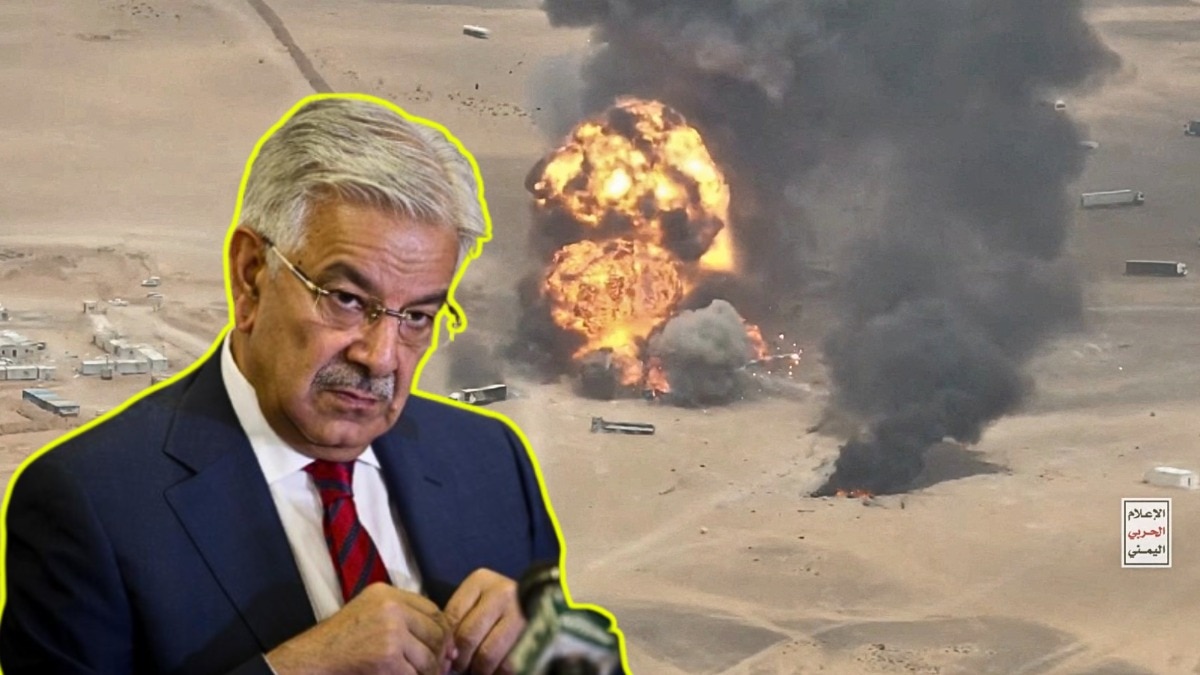
Following Houthi attacks on Saudi energy infrastructure, Pakistan is poised to activate the Mecca Pact's collective defense clause. This could lead to imminent airstrikes against Iranian-backed Houthis in Yemen.
- Pakistan may launch airstrikes in Yemen to defend Saudi Arabia from Houthi aggression.
- The Mecca Pact mandates that an attack on one member is treated as an attack on all.
- Defense Minister Khwaja Asif confirmed the pact's operationality in case of conflict 'spillover'.
- The move risks escalating tensions between Pakistan and Iran, the Houthi patron.
The geopolitical landscape of the Middle East is facing a potential escalation as Pakistan prepares to conduct airstrikes against the Houthi rebels in Yemen. This development follows a series of drone and missile strikes targeting Saudi Arabian energy infrastructure, which resulted in at least 73 injuries. Pakistan's Defense Minister, Khwaja Asif, has signaled that the collective defense clause of the recently signed Mecca Pact could be operationalized.
According to reports from Turkiye Today, the primary military objective of these potential strikes would be to clear the Houthis from the Saadah region and other strategic hubs. This would mark a significant shift in Pakistan's military engagement in the Gulf, moving from advisory support to direct kinetic action.
Why This Matters
BozokMedia analysis shows that the Mecca Pact, signed on August 7 by Pakistan, Turkey, and Saudi Arabia, is now facing its first real-world application. By committing to strike an Iranian proxy, Pakistan is effectively anchoring its security destiny to Riyadh. This decision transcends simple diplomacy; it is a strategic realignment that could trigger a wider regional conflict involving Tehran.
"The activation of the Mecca Pact would transform the regional security dynamic, signaling that Pakistan is now fully committed to Riyadh's security umbrella regardless of the cost."
Historically, the conflict in Yemen dates back to 2015, when Saudi Arabia launched a failed intervention to crush the Houthi insurgency. The current tension is further exacerbated by the broader US-Iran conflict, where the Houthis have acted as a primary instrument of Iranian influence in the region.
| Feature | Strategic Mutual Defence Agreement (2025) | Mecca Pact (2026) |
|---|---|---|
| Member States | Pakistan & Saudi Arabia | Pakistan, Saudi Arabia & Turkey |
| Scope | Bilateral Security Cooperation | Multilateral Collective Defence |
| Trigger | Mutual Consent | Attack on one = Attack on all |
While Minister Asif has been firm about the pact's obligations, analysts suggest that Pakistan might limit its involvement to air operations, avoiding a full-scale ground offensive in Yemen. This nuanced approach aims to satisfy the treaty obligations without becoming permanently bogged down in a Yemeni quagmire.
Frequently Asked Questions
1. What is the Mecca Pact?
It is a joint defense agreement between Pakistan, Turkey, and Saudi Arabia, stating that aggression against one member is an attack on all.
2. Why is Pakistan targeting the Houthis?
To honor its collective defense commitment to Saudi Arabia following Houthi attacks on Saudi territory and infrastructure.