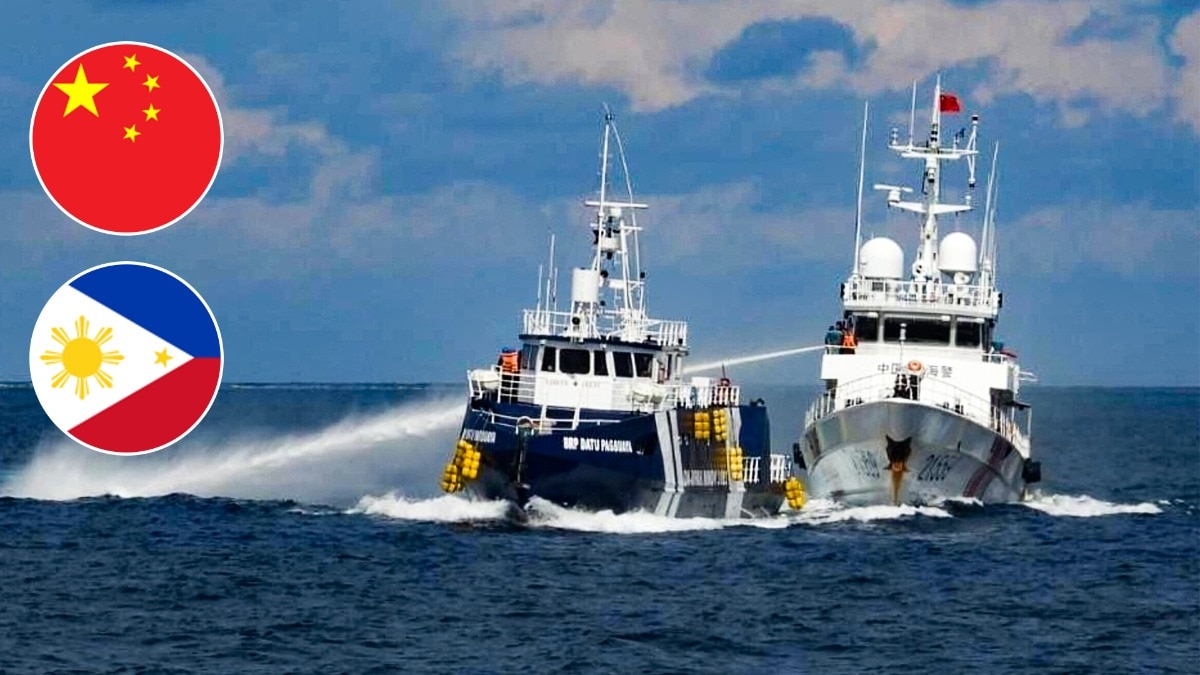
In a shocking diplomatic encounter, the Philippine leader labeled a note from China as 'actual coercion and aggression,' highlighting the volatile state of relations in the South China Sea.
- The Philippine President condemned a diplomatic note from China as an act of bullying and coercion.
- Tensions are escalating over territorial disputes in the South China Sea.
- Manila has called for 'basic decency' and professional behavior from the Chinese government.
The South China Sea continues to serve as a primary geopolitical flashpoint between Manila and Beijing. In a recent high-profile incident, the President of the Philippines received a note from Chinese representatives that he later described as a manifestation of "actual coercion, bullying, and aggression."
Addressing the incident, the leader emphasized that diplomatic channels should be used for resolution rather than intimidation. He pointedly remarked that "perhaps basic decency and behavior is what China needs to do," signaling a significant departure from the cautious diplomatic language typically used in such disputes.
Why This Matters
BozokMedia analysis shows that this incident is a symptom of a larger pattern of 'salami slicing' tactics employed by Beijing. By using incremental pressure—ranging from maritime incursions to aggressive diplomatic notes—China aims to force the Philippines into conceding its sovereign rights over the West Philippine Sea without triggering a full-scale military conflict.
"The shift from quiet diplomacy to public condemnation indicates that Manila is no longer willing to tolerate Beijing's assertive posture in the region."
Historically, the dispute centers on China's expansive 'Nine-Dash Line' claim, which overlaps with the Exclusive Economic Zones (EEZ) of several Southeast Asian nations. Despite a 2016 ruling by the Permanent Court of Arbitration in The Hague that invalidated these claims, China has continued to build artificial islands and deploy coast guard vessels to harass Filipino fishermen and resupply missions.
The geopolitical implications are vast, as the Philippines maintains a Mutual Defense Treaty with the United States. Any escalation in the South China Sea could potentially draw the U.S. into a direct confrontation with China, turning a regional territorial spat into a global security crisis.
Frequently Asked Questions
1. What is the 'Nine-Dash Line'?
It is a demarcation line used by China to claim the vast majority of the South China Sea, regardless of international maritime law.
2. How has the Philippines responded to China's aggression?
The Philippines has increased its transparency by filming encounters at sea and strengthening defense ties with the U.S., Japan, and Australia.