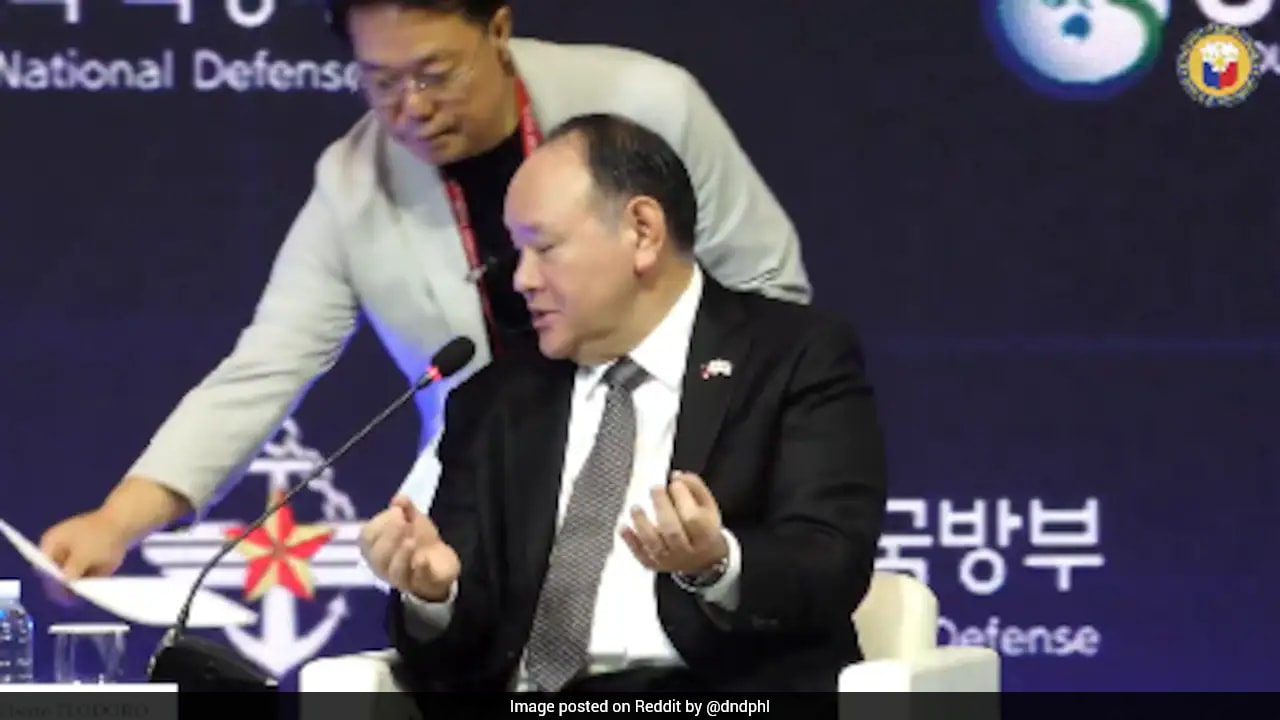
In a dramatic turn of events at the Seoul Defense Dialogue, Philippines Defense Secretary Gilberto Teodoro publicly read a note from China and lambasted Beijing's 'bullying' tactics. The incident marks a significant breakdown in diplomatic decorum over the South China Sea conflict.
- Philippines Defense Secretary Gilberto Teodoro Jr. exposed China's aggression during the Seoul Defense Dialogue.
- A note from China dismissing the 2016 international tribunal ruling was read aloud and mocked as a sign of 'desperation'.
- The conflict centers on China's 'Nine-Dash Line' versus the Philippines' Exclusive Economic Zone (EEZ) rights.
The diplomatic corridors of Seoul witnessed an unprecedented clash when Gilberto C. Teodoro Jr., the Secretary of National Defense of the Philippines, lost his patience with Beijing's persistent aggression. While discussing 'gray-zone' pressure strategies at a defense forum, Teodoro was handed a note from the Chinese side, which was intended to reiterate Beijing's stance on the South China Sea.
Breaking all diplomatic protocols, Teodoro read the note aloud to the audience. The memo stated that China's position was 'clear and consistent' and that the 2016 international tribunal award was 'null and void.' Teodoro responded with sharp sarcasm, asking if China believed UNCLOS (United Nations Convention on the Law of the Sea) violated international law, adding, "Exactly, because you lost." He then switched to Filipino, stating, "Maging disente lang kayo nang konti, mahiya naman kayo nang konti," which translates to "Have a little decency, have a little shame."
Why This Matters
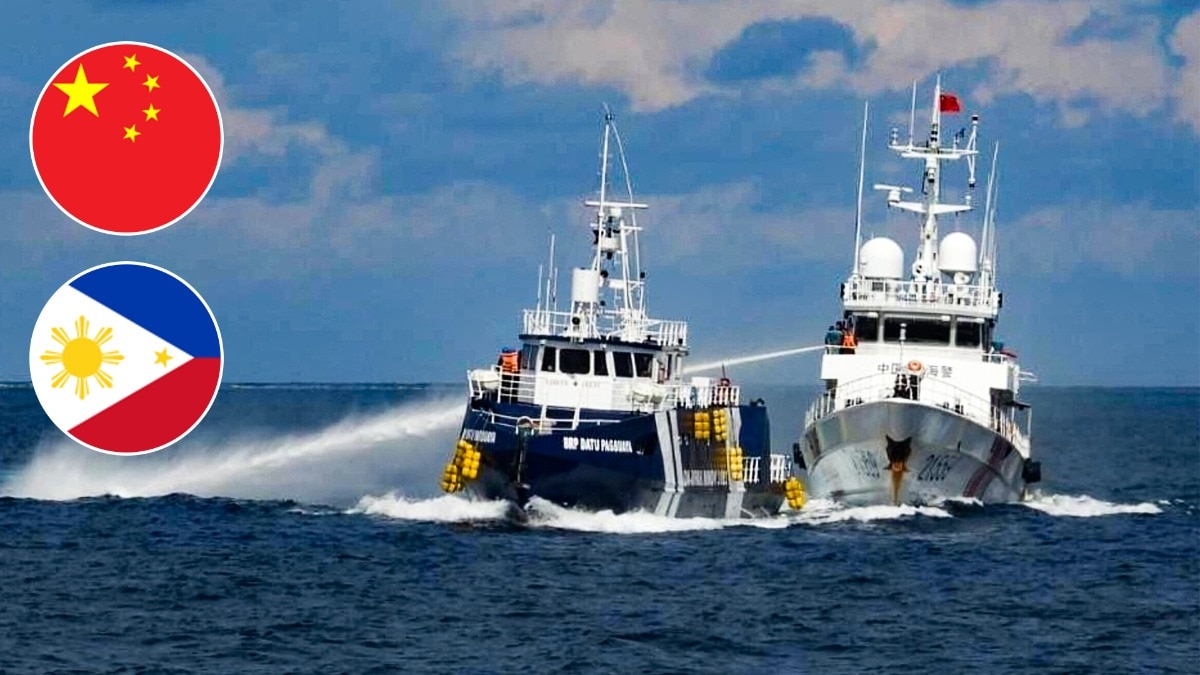
BozokMedia analysis shows that this is no longer a mere diplomatic spat; it is a symptom of a larger shift in regional geopolitics. The Philippines is moving away from quiet diplomacy toward a strategy of 'public shaming' to mobilize international support against China's maritime incursions. This suggests that the traditional 'gray-zone' tactics used by China are now being met with transparent, aggressive resistance.
"When the language of diplomacy shifts from formal protests to phrases like 'have some shame,' it indicates that the threshold for conflict has significantly lowered."
Interestingly, the note reached Teodoro due to a clerical error by event staff, who mistook it for a Philippine delegation memo. Despite the blunder, China's Ministry of Foreign Affairs reacted by warning the Philippines to stop 'creating trouble' and undermining bilateral stability.
Historical Background: The Root of Conflict
China claims nearly the entire South China Sea via its "Nine-Dash Line," including the Spratly Islands and Scarborough Shoal. The Philippines, however, asserts its rights over its Exclusive Economic Zone (EEZ) as defined by UNCLOS. In 2016, the Permanent Court of Arbitration (PCA) ruled in favor of the Philippines, declaring China's claims illegal—a verdict Beijing continues to ignore.
| Issue | China's Position | Philippines' Position |
|---|---|---|
| Territorial Claim | Nine-Dash Line (Historical Rights) | UNCLOS (200 nautical mile EEZ) |
| 2016 PCA Ruling | Null, void, and non-binding | Legally binding and mandatory |
| Strategy | Artificial islands & military bases | International alliances & legal battles |
Frequently Asked Questions
1. What is UNCLOS?
The United Nations Convention on the Law of the Sea is an international agreement that establishes a legal framework for all marine and maritime activities.
2. Why does China ignore the 2016 ruling?
China argues that the tribunal had no jurisdiction over the matter and maintains that its historical claims supersede the convention's rules.