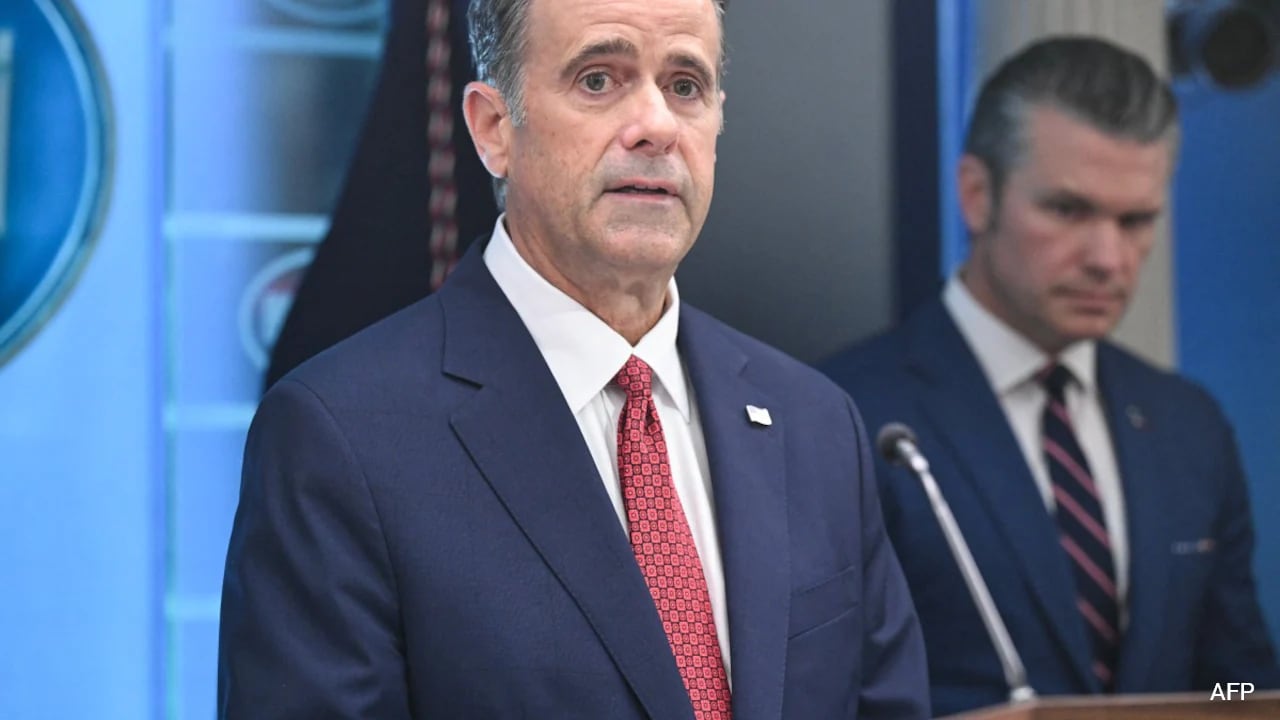
President Donald Trump has claimed that the conflict with Iran will conclude immediately after the US midterm elections, while simultaneously warning of further military strikes and rejecting a simple nuclear deal.
- President Trump links the end of the Iran war to the post-midterm election period.
- The US administration rejects a return to the JCPOA, seeking a broader agreement than just nuclear restrictions.
- Global oil prices have surged past $100 per barrel due to escalating US-Iran hostilities.
- Public support for the conflict in the US has dropped to 31%.
In a high-stakes announcement made on Wednesday before boarding Air Force One for Dallas, Texas, President Donald Trump asserted that the ongoing war with Iran is destined to end immediately following the US midterm elections. The President suggested that the Iranian government is strategically stalling a resolution to influence the political landscape of the United States, hoping for a more lenient administration to take power in November.
Trump specifically targeted the Democratic Party, alleging that Tehran is counting on a Democratic victory in Congress to secure a 'weak' legislative body that would allow Iran to pursue nuclear weapons unchecked. "All they want is a nuclear weapon, and if they had a nuclear weapon, the whole world is in deep trouble," Trump warned, framing the conflict as a global security necessity.
Why This Matters
BozokMedia analysis shows that by linking the conflict's resolution to the midterm elections, the Trump administration is effectively weaponizing foreign policy for domestic political gain. The timing suggests that the administration is balancing the need to project strength to its base while managing the economic fallout of rising energy costs. The strategic ambiguity regarding whether the war ends via diplomacy or total degradation of Iranian assets keeps global markets in a state of extreme volatility.
The conflict, which intensified on February 28, was primarily justified by the US and Israel as a preemptive strike against Iran's nuclear ambitions. While Tehran maintains that its uranium enrichment is for civilian purposes, the US has maintained a hardline stance, having previously withdrawn from the 2015 Joint Comprehensive Plan of Action (JCPOA).
The intersection of US domestic electoral cycles and Middle Eastern volatility creates a dangerous vacuum where military escalation becomes a tool for political signaling.
Despite the talk of an eventual end, the immediate future looks violent. US Energy Secretary Chris Wright recently indicated that a nuclear deal might not happen at all, suggesting instead a continued campaign of strikes to dismantle Iran's infrastructure. This follows the June 2025 strikes that Trump claimed "obliterated" Iranian nuclear capabilities.
The economic ramifications are already being felt globally. As the US military recently struck five Iranian tankers in retaliation for missile attacks on a Navy warship, Brent crude oil has surpassed the critical $100 per barrel mark. This surge threatens to trigger global inflation, further complicating the political climate ahead of the November 3 elections.
| Metric/Aspect | Previous Status (JCPOA) | Current Trump Strategy |
|---|---|---|
| Goal | Nuclear Limitation | Comprehensive Regime Shift/Degradation |
| Approach | Diplomatic Negotiation | Military Strikes & Maximum Pressure |
| US Public Support | Mixed/Diplomatic | Declining (31% Support) |
Frequently Asked Questions
Will the US restart the nuclear deal with Iran?
President Trump has stated he is looking for "much more than a nuclear deal" and indicated that negotiations are currently not a top priority.
How is the war affecting global markets?
Hostilities have pushed oil prices above $100 per barrel, increasing costs for consumers and industries worldwide.