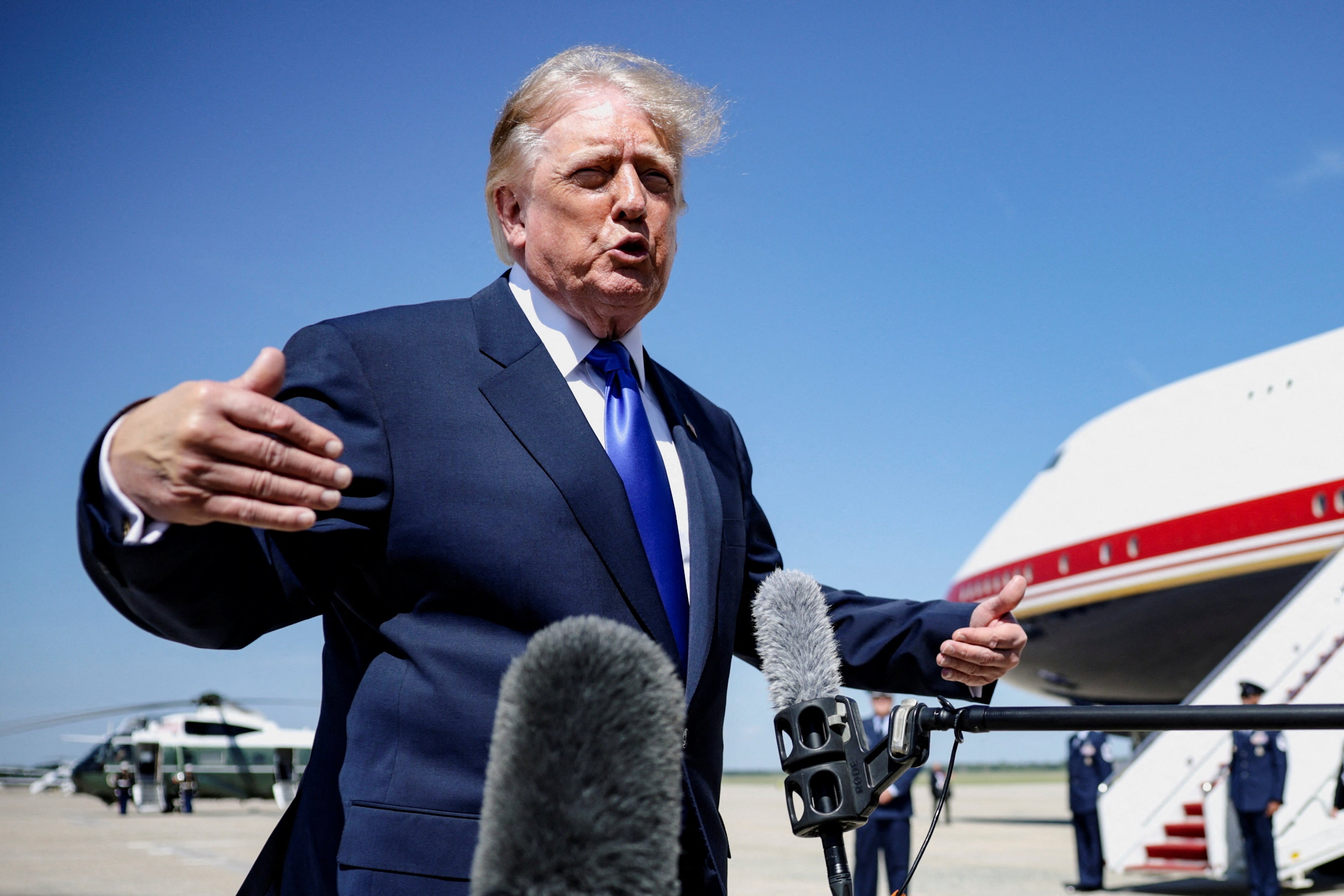
The United States has pledged comprehensive support to develop Kenya's capacity for processing critical minerals, aiming to diversify global supply chains and reduce dependence on dominant market players.
- US to provide technical and financial assistance for mineral processing in Kenya.
- Focus on critical minerals essential for green energy and high-tech industries.
- Strategic move to secure non-adversarial supply chains for the West.
In a significant move to reshape global trade dynamics, the United States has officially announced its commitment to assist Kenya in developing its critical minerals processing sector. This partnership is not merely a bilateral agreement but a strategic geopolitical maneuver designed to secure the supply of minerals essential for the transition to a green economy and the production of advanced electronics.
Kenya, rich in diverse geological deposits, has long exported raw materials without capturing the value added through refining and processing. The US initiative aims to change this by providing the necessary technology, investment, and expertise to establish local processing hubs. This shift is expected to create thousands of high-skilled jobs within Kenya and boost its GDP significantly.
Why This Matters
BozokMedia analysis shows that this partnership is a direct response to the current global monopoly over critical mineral processing. By empowering Kenya, the US is creating a 'friend-shoring' ecosystem, ensuring that the components for EV batteries, semiconductors, and defense systems are not sourced from single-point-of-failure regions. This reduces the risk of economic coercion and enhances the resilience of the global tech supply chain.
"The transition from raw ore export to value-added processing is the holy grail of economic sovereignty for mineral-rich African nations."
Historically, African nations have suffered from the 'resource curse,' where vast mineral wealth led to economic instability rather than growth. By focusing on processing rather than just extraction, the US-Kenya partnership seeks to break this cycle. This involves building smelting plants, chemical refineries, and quality-control laboratories that meet international standards.
Furthermore, this collaboration includes a strong emphasis on Environmental, Social, and Governance (ESG) standards. The US intends to implement sustainable mining practices that minimize ecological footprints and ensure fair labor conditions, contrasting with the often-opaque practices of other global superpowers in the region.
| Feature | Raw Export Model | Processing Model (US-Kenya) | |||
|---|---|---|---|---|---|
| Economic Value | Low (Commodity prices) | High (Industrial products) | Employment | Manual labor | Technical & Engineering |
| Supply Chain | Dependent on 3rd party | Direct to End-User |
Frequently Asked Questions
Which minerals are primarily targeted in this partnership?
While the specific list is evolving, the focus is on minerals essential for semiconductors, batteries, and renewable energy infrastructure.
How will this affect Kenya's economy?
It is expected to increase foreign direct investment (FDI) and transition Kenya from an agrarian/service economy to an industrial powerhouse.