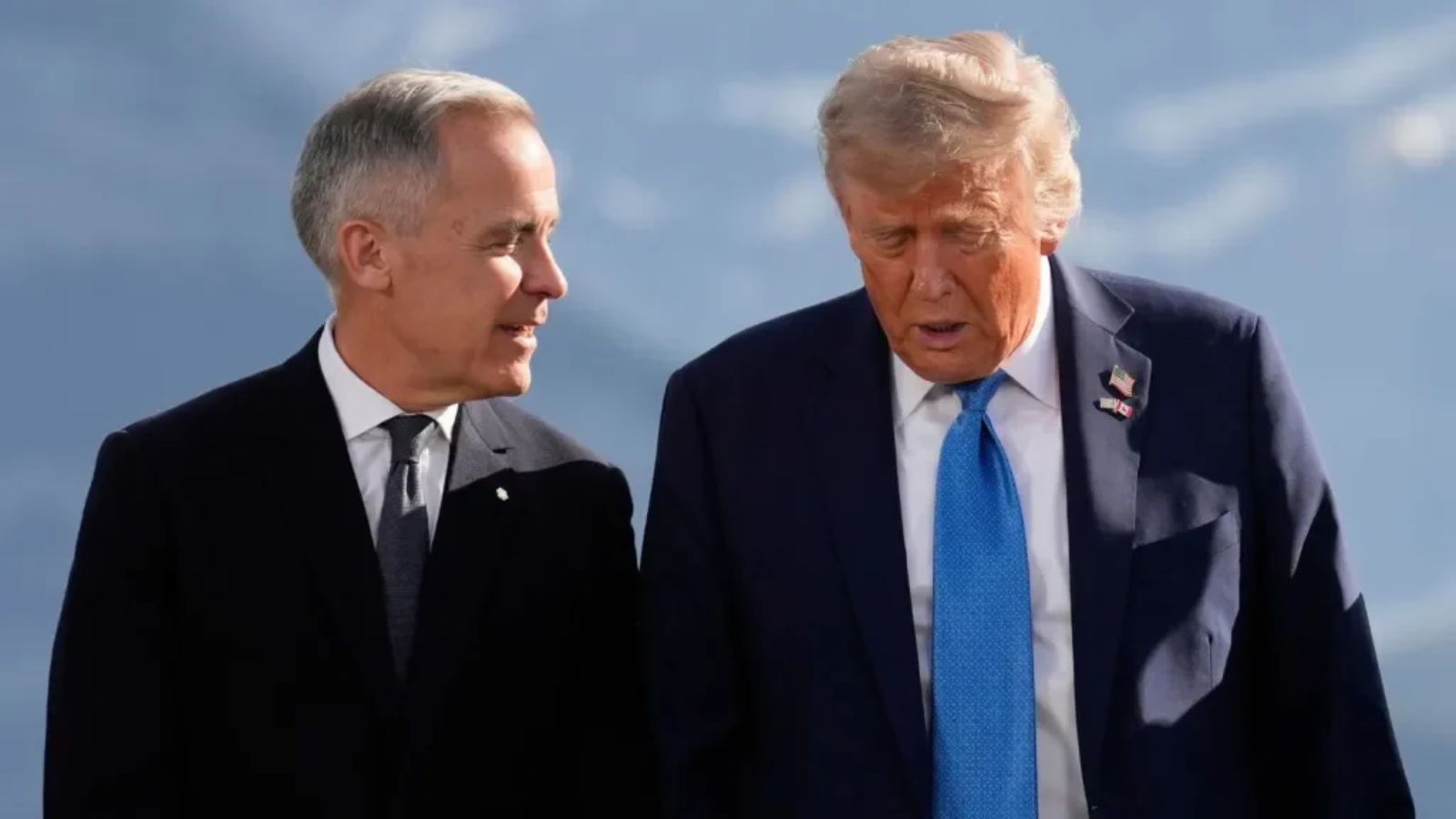
The trade conflict between the US and Canada has reached a critical peak as the US imposes bans on key Canadian imports following retaliatory tariffs from Ottawa.
- The US has banned imports of Canadian alcoholic beverages, motorcycles, and dairy products effective September 29.
- The move follows Canada's imposition of retaliatory tariffs after the US placed 50% duties on $20 billion of Canadian goods.
- President Donald Trump maintains the threat to hike auto tariffs from 25% to 50% by January 1.
In a dramatic escalation of diplomatic and economic tensions, the United States announced on Tuesday a comprehensive ban on several key imports from Canada. This tit-for-tat trade war marks one of the lowest points in the bilateral relationship between the two longtime allies, threatening the economic stability of the North American region.
The current crisis was triggered after multiple rounds of high-level negotiations collapsed, leading the US to impose 50% tariffs on approximately $20 billion worth of Canadian goods last month. Canada responded with its own set of levies on US products, prompting the White House to now implement full bans on specific categories to exert maximum pressure on Ottawa.
Scope of the Import Ban
The ban is extensive, covering nearly all alcoholic products. This includes beer, wine, whisky, bourbon, rum, vodka, vermouth, tequila, mezcal, and brandy. In the dairy sector, the restrictions target whey protein, invert molasses, and cane molasses. Furthermore, various cheese products have been shifted to a list subject to a punishing 50% tariff, alongside paper, aluminum, wood, and furniture.
BozokMedia analysis shows that this conflict casts a long shadow over the US-Mexico-Canada Agreement (USMCA). The breakdown in trust suggests that the agreement may no longer be a sufficient safeguard against protectionist impulses. This volatility forces global investors to reconsider the reliability of North American supply chains.
"When the world's longest undefended border becomes an economic battlefield, the ripple effects are felt far beyond the two nations involved."
Canadian Prime Minister Mark Carney has responded with a defiant stance, suggesting that Canada must 'pivot' its trade strategy. In a video address, Carney emphasized that while diversifying trade partners will come at a cost, the cost of remaining stagnant and dependent on a volatile partner is far higher.
| Product Category | US Action | Canadian Response |
|---|---|---|
| Alcohol & Dairy | Full Import Ban | Retaliatory Tariffs |
| Automobiles | Threat of 50% Tariff | Trade Diversification Strategy |
| Industrial Goods | Duties on Alum/Wood | Duties on 629 US items |
Frequently Asked Questions
Q1: When do these US bans take effect?
A: The bans on Canadian alcohol, dairy, and motorcycles go into effect on September 29.
Q2: What is the status of the auto tariff threat?
A: President Donald Trump's threat to increase tariffs on Canadian autos to 50% remains in effect for January 1.