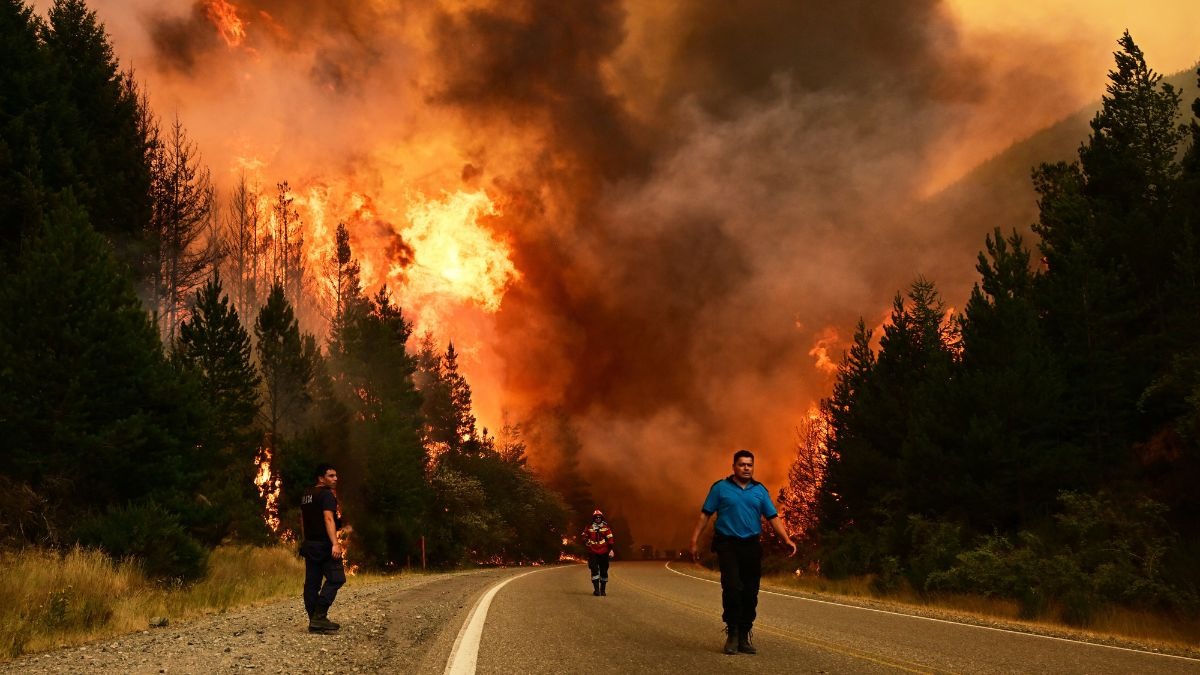
August 2026 has shattered all previous temperature records, becoming the hottest month ever documented on Earth. This unprecedented heatwave has triggered a series of catastrophic natural disasters worldwide.
- August 2026 is officially the hottest month ever recorded globally.
- Extreme heat triggered a surge in wildfires, flash floods, and severe droughts.
- The spike is attributed to accelerating greenhouse gas emissions and systemic climate failure.
In a staggering blow to global climate stability, August 2026 has been confirmed as the hottest month in recorded history. Data from leading meteorological organizations indicate that global mean temperatures soared well beyond previous anomalies, signaling a dangerous acceleration in planetary warming.
The consequences were felt globally. From scorching heatwaves in Europe and North America to unprecedented thermal stress in Asia, the atmospheric conditions created a pressure cooker effect, leading to extreme weather volatility.
Why This Matters
BozokMedia analysis shows that the extreme heat of August 2026 is not an isolated event but a symptom of a collapsing climate equilibrium. The correlation between rising ocean temperatures and atmospheric heat suggests that the planet is entering a feedback loop where warming triggers further warming, making disasters more frequent and lethal.
"The data from August 2026 serves as a definitive wake-up call; we are no longer predicting a crisis, we are living through one."
Historically, Earth has undergone warming periods, but the velocity of the current increase is unprecedented. The industrialization of the last two centuries has saturated the atmosphere with CO2 and methane, trapping heat at a rate that ecosystems cannot adapt to.
The socio-economic impact is profound. Agricultural yields plummeted in several breadbasket regions, and the strain on energy grids due to cooling demands led to widespread blackouts in multiple metropolitan hubs.
Frequently Asked Questions
Q1: What caused August 2026 to be the hottest month?
A combination of record-high greenhouse gas concentrations and amplifying natural climate cycles led to this peak.
Q2: Can these temperature spikes be reversed?
While some damage is permanent, rapid decarbonization and reforestation can slow the rate of increase and prevent the worst-case scenarios.
