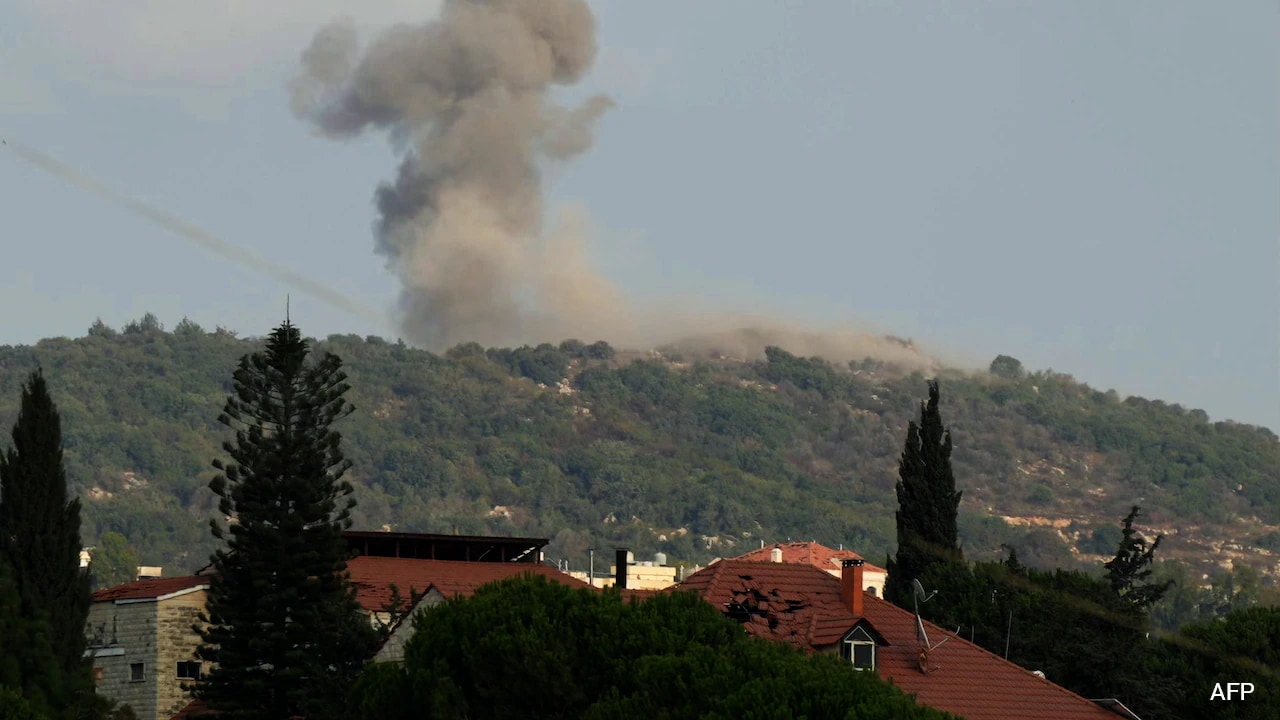
Reports from US and Middle East officials suggest Iran has resumed the production of ballistic missiles within secure underground sites, signaling a potential escalation in regional tensions.
- Iran has allegedly restarted the manufacturing of ballistic missiles.
- Production is reportedly taking place in hardened underground facilities to avoid detection.
- US and Middle East intelligence officials cited by the Wall Street Journal confirmed the activity.
In a development that has sent ripples through global security circles, Iran has reportedly resumed the production of ballistic missiles. According to high-ranking US and Middle East officials cited by the Wall Street Journal, the Islamic Republic has pivoted back to active manufacturing of these strategic weapons, utilizing sophisticated underground complexes to shield operations from satellite surveillance and preemptive strikes.
The resumption of missile production comes at a time of heightened volatility in the Middle East. Analysts suggest that Tehran is seeking to replenish its stockpiles and modernize its arsenal to maintain a credible deterrent against regional adversaries. The use of "missile cities"—vast, subterranean networks—highlights Iran's long-term strategy to ensure the survivability of its strategic assets even under heavy bombardment.
Why This Matters
BozokMedia analysis shows that this move is not merely a technical restart but a strategic signal to the West and regional powers. By resuming production, Iran demonstrates that despite international sanctions and diplomatic pressure, its defense industry remains resilient and capable of rapid scaling. This development complicates diplomatic efforts to curb Iran's nuclear and missile programs, as it proves the regime's ability to operate in the shadows.
The shift to underground production indicates a sophisticated evolution in Iranian military doctrine, prioritizing resilience over visibility.
Historically, Iran's missile program has been a cornerstone of its national security strategy. From the early days of the Iran-Iraq War to the development of the Shahab and Fattah series, Tehran has viewed ballistic missiles as the primary tool for power projection. The current push for localization of air defense and missile systems further underscores their goal of achieving complete strategic autonomy.
The geopolitical implications are profound. For the United States and its allies, this news necessitates a re-evaluation of regional defense postures. The ability of Iran to produce missiles undetected increases the risk of sudden escalations and puts pressure on integrated air defense systems across the Gulf region.
| Feature | Conventional Production | Underground Production |
|---|---|---|
| Visibility | High (Satellite detectable) | Low (Shielded) |
| Vulnerability | High (Air strikes) | Low (Hardened bunkers) |
| Strategic Intent | Deterrence | Survivability & Stealth |
Frequently Asked Questions
Q1: Why is Iran producing missiles underground?
To protect the production lines from airstrikes and to hide the scale of production from international intelligence agencies.
Q2: How does this affect regional stability?
It increases the perceived threat level for neighboring countries and may trigger an arms race in advanced missile technology.