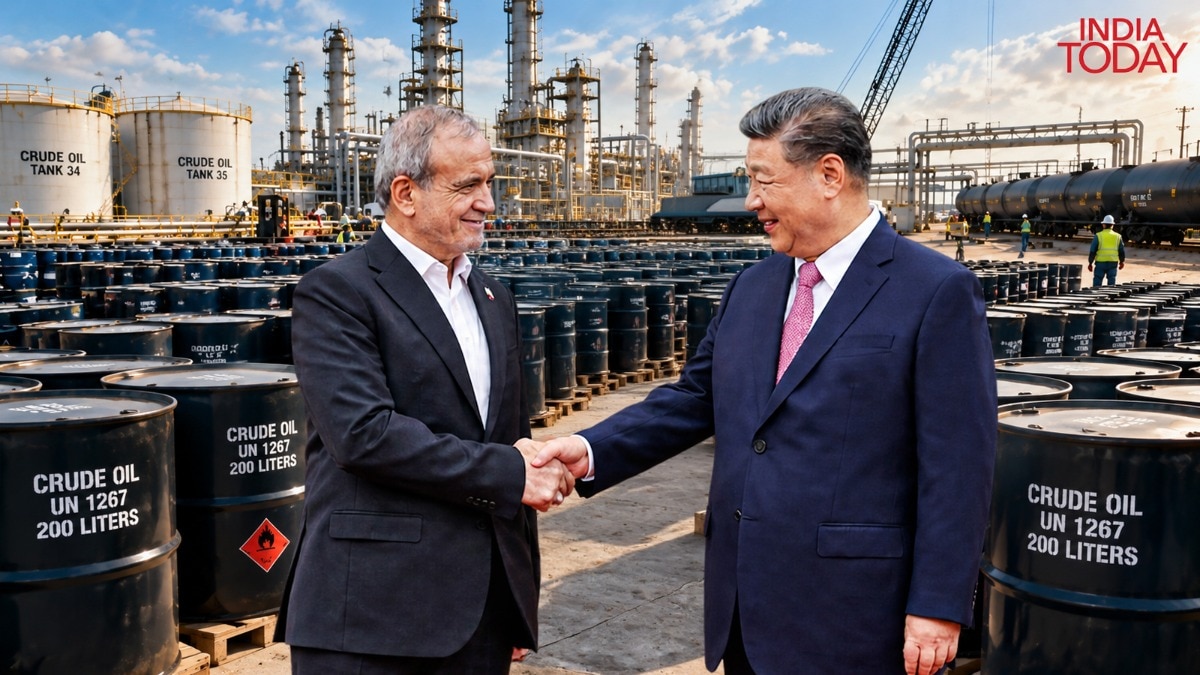
Iran and China are utilizing a sophisticated, secret barter trade system to bypass US financial restrictions. By swapping oil for goods and services, they are creating a parallel economy outside the reach of the US dollar.
- Iran and China are employing a non-dollar barter system to facilitate trade.
- The strategy is specifically designed to circumvent US Treasury sanctions.
- Crude oil is being exchanged for infrastructure, technology, and consumer goods.
In a bold defiance of international financial pressure, Iran and China have established a clandestine barter trade mechanism. This system allows the two nations to maintain a robust economic relationship without relying on the traditional banking systems that are heavily monitored by the United States. By avoiding the use of the US dollar, they effectively neutralize the impact of sanctions.
The mechanics of this arrangement are straightforward yet effective: Iran exports vast quantities of crude oil to China, and instead of receiving payment in cash, it receives equivalent value in the form of industrial machinery, electronics, or direct investment in Iranian infrastructure. This removes the need for the SWIFT messaging system, which is the primary tool used by the US to enforce sanctions.
Why This Matters
BozokMedia analysis shows that this trend signals a broader shift toward 'de-dollarization.' When major economies find ways to trade without the greenback, the strategic leverage of the US government over global diplomacy diminishes significantly.
"Barter trade in the 21st century is not a regression, but a sophisticated survival mechanism against financial warfare."
Historically, barter systems were the foundation of early commerce. Today, they have been weaponized as a tool of statecraft. For China, this ensures a steady flow of energy resources at preferential rates. For Iran, it provides a lifeline for its struggling economy, allowing it to import essential goods that would otherwise be blocked.
| Feature | Traditional Trade | Secret Barter Trade |
|---|---|---|
| Currency | US Dollar (USD) | Goods/Services Exchange |
| Tracking | Easy via SWIFT | Extremely Difficult |
| Risk | High Sanction Risk | Low Financial Visibility |
Frequently Asked Questions
Q1: Can the US stop this type of trade?
A: It is incredibly difficult to stop because there is no digital money trail. The US can only influence this by pressuring China through other trade tariffs.
Q2: What are the primary goods being exchanged?
A: Primarily Iranian crude oil in exchange for Chinese technology, electronics, and infrastructure development.