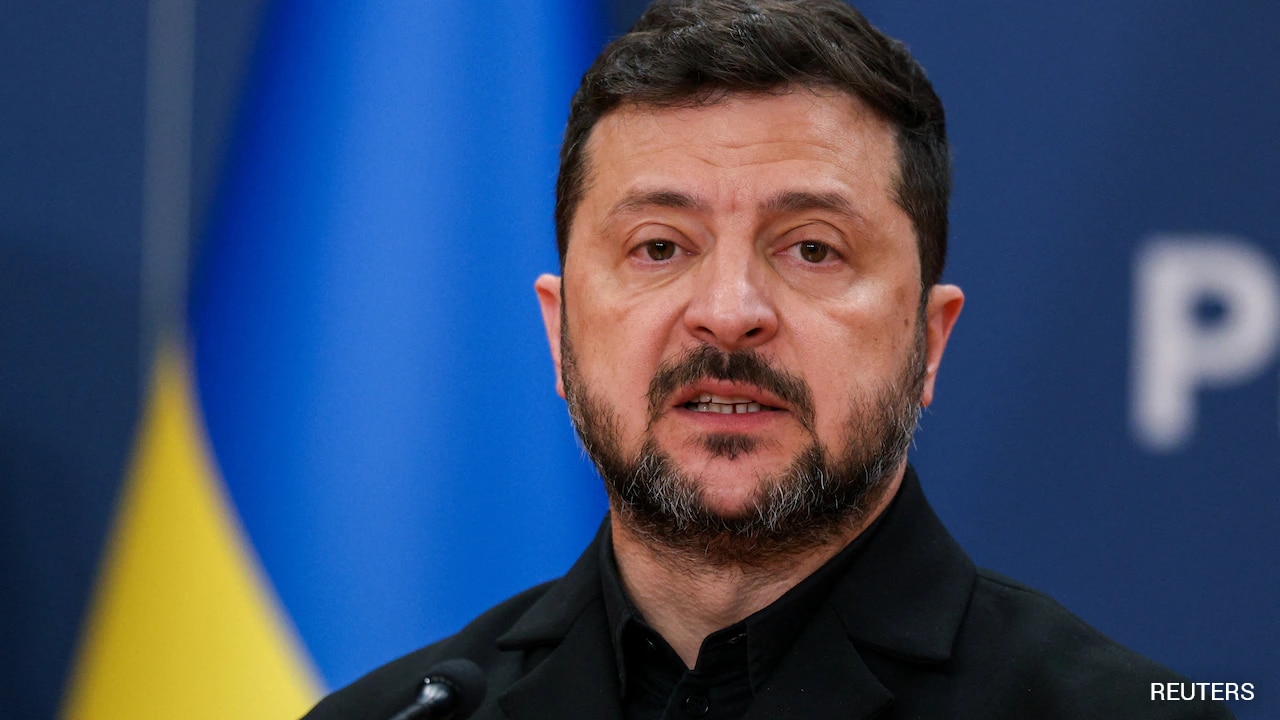
Ukrainian President Volodymyr Zelenskyy has announced that no trilateral meetings to end the ongoing conflict will take place before the upcoming elections in Russia, signaling a firm stance on diplomatic timing.
- No trilateral peace negotiations will occur until after the Russian elections.
- Zelenskyy emphasizes the need for legitimacy and strategic timing in diplomacy.
- Ukraine remains steadfast in its demand for full territorial integrity.
In a decisive statement delivered on Thursday, Ukrainian President Volodymyr Zelenskyy confirmed that there will be no trilateral meetings aimed at ending the war before the electoral process in Russia concludes. This announcement puts a temporary halt to hopes for an immediate diplomatic breakthrough in the conflict that has reshaped global security.
The President's decision underscores a strategic preference to wait for a defined political mandate in Moscow. By avoiding premature negotiations, Kyiv aims to prevent the Russian leadership from using peace talks as a mere tool for domestic political gain during an election cycle.
Why This Matters
BozokMedia analysis shows that this move is designed to synchronize diplomatic efforts with the political reality in Russia. By delaying talks, Ukraine is effectively telling the Kremlin that diplomatic engagement cannot be used as a shield to stabilize Putin's regime during an election, but must be a genuine path to peace.
"Zelenskyy is leveraging the timing of the Russian elections to ensure that any agreement reached is not just a tactical ceasefire, but a sustainable peace."
Historically, the conflict has been marked by failed accords, most notably the Minsk agreements. This legacy of distrust has led Ukraine to adopt a 'trust but verify' approach, ensuring that any future table of negotiation is backed by concrete guarantees.
The global implications are significant. With the US and EU pushing for a resolution to mitigate global economic instability, Zelenskyy's refusal highlights the gap between Western desires for a quick end to the war and Ukraine's requirement for a just peace.
Frequently Asked Questions
1. Why is the timing of the Russian election critical?
It ensures that the Russian leadership has a fresh mandate and that the talks are not merely a campaign stunt.
2. Who would be the third party in these talks?
Typically, a neutral nation like Turkey or an international body like the UN acts as the mediator.