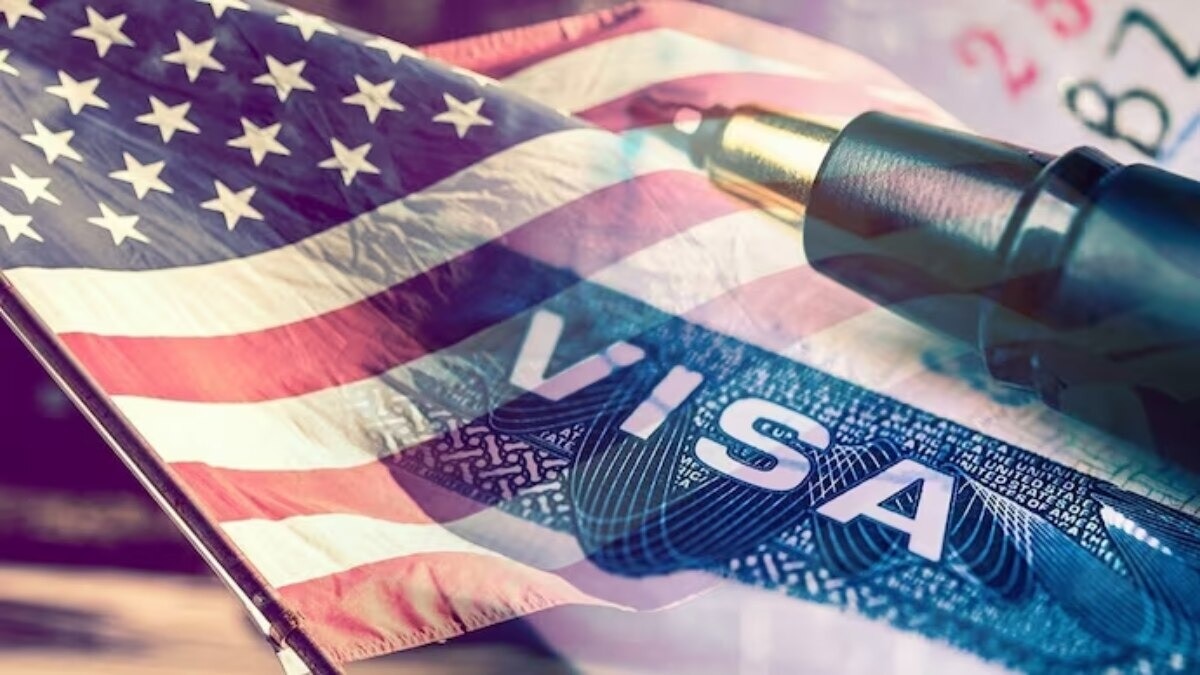
The US government is considering a drastic policy change to scrap the 60-day grace period for H-1B visa holders after job loss. This move threatens thousands of Indian IT professionals, forcing immediate departure from the US upon unemployment.
- Proposal aims to eliminate the 60-day window for H-1B holders to find new sponsors after layoffs.
- Indian tech professionals and major IT firms like TCS and Infosys are most vulnerable.
- The rule extends to L-1, O-1, E-1, E-2, and TN visa holders as well.
- The administration argues this will prioritize hiring 'equally qualified' American workers.
The Donald Trump administration has sent shockwaves through the global tech community by proposing the complete removal of the 60-day grace period for H-1B and other temporary work visa holders. According to a proposal published by the US Department of Homeland Security (DHS) in the Federal Register, foreign workers who lose their employment would no longer have a two-month buffer to secure a new employer or organize their departure from the United States.
Since its implementation in 2017, the grace period has served as a critical safety net. It allowed skilled migrants to navigate the complexities of the US job market, manage the transfer of sponsorship, and handle personal logistics such as closing leases or managing children's schooling without the immediate threat of becoming undocumented.
Why This Matters
BozokMedia analysis shows that this move is not merely an administrative tweak but a strategic shift toward aggressive protectionism. By compressing the timeline for offboarding, the US government is creating a high-pressure environment that discourages the hiring of foreign nationals and forces companies to look inward. For the Indian IT sector, which relies heavily on the H-1B pipeline, this could lead to a systemic decrease in the mobility of skilled talent.
"This proposal sharply compresses the timeline HR teams have to manage layoffs, turning a manageable transition into a legal crisis for foreign employees."
The impact will be felt most acutely by employees of Indian giants like Tata Consultancy Services (TCS), Infosys, HCLTech, and LTIMindtree, as well as 'Big Four' consultancy firms including Deloitte, PwC, and Ernst & Young. These organizations are among the largest sponsors of H-1B visas and frequently manage large-scale workforce rotations.
Beyond H-1B holders, the proposal casts a wide net. It includes L-1 executives, O-1 visa holders with extraordinary abilities, and TN professionals. Even skilled workers from Singapore, Chile (H-1B1), and Australia (E-3) are caught in the crosshairs of this restrictive migration policy.
Historical Background
The H-1B visa program was designed to allow US employers to temporarily employ foreign workers in specialty occupations. Over the decades, it has become the backbone of Silicon Valley. However, the Trump administration has consistently viewed the program as a tool that suppresses American wages. This latest proposal follows a series of restrictive measures, including increased visa fees and pauses on immigrant visa appointments implemented since January 2025.
| Feature | Current Rule (Since 2017) | Proposed Rule |
|---|---|---|
| Grace Period | 60 Days | 0 Days (Immediate) |
| Action Required | Find new sponsor or leave | Immediate departure upon job loss |
| Impacted Visas | H-1B | H-1B, L-1, O-1, TN, E-1, E-2 |
Frequently Asked Questions
Q1: When will this new rule take effect?
The proposal is currently in a two-month public comment period. The administration will review feedback before final implementation.
Q2: Can employers still hire foreign workers?
Yes, but the administration suggests they should first seek 'equally qualified' US workers or use the I-129 petition process for essential foreign talent.