Renowned American economist Jeffrey Sachs suggests that as the US becomes increasingly unstable, India and China are uniquely positioned to lead a multipolar global order. He urges India to reconsider its role in the Quad to foster closer ties with Beijing.
- Jeffrey Sachs identifies 'American delusion' and unilateralism as the greatest threats to global stability.
- India and China are viewed as essential partners in remaking a more balanced global system.
- Proposed BRICS priorities include defending the UN and creating a multi-currency payment system.
Speaking at the India Today BRICS Roundtable 2026, world-renowned economist Jeffrey Sachs delivered a provocative analysis of the current geopolitical landscape. Sachs argued that the United States is entering a phase of increasing instability, creating a strategic vacuum that India and China can fill to establish a "new world order" based on multipolarity rather than unilateral dominance.
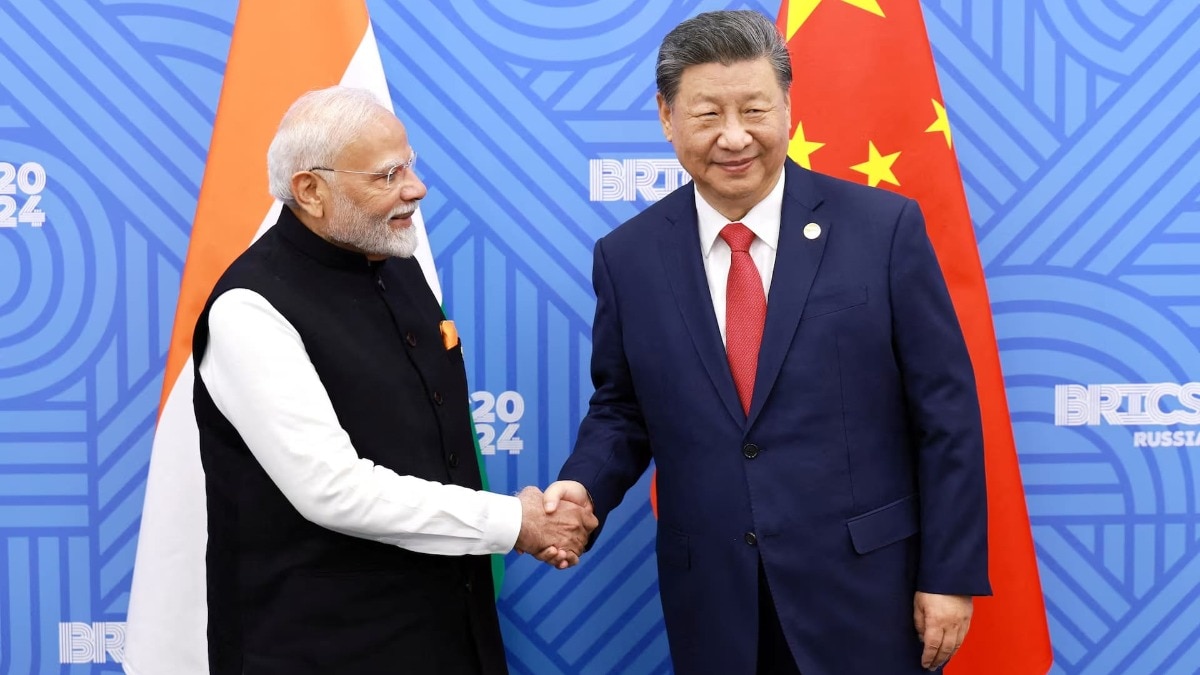
Sachs emphasized that China has an enormous stake in India's success. He pointed to the upcoming visit of President Xi Jinping to New Delhi for the BRICS Summit as a critical signal. This visit, the first in seven years, marks a gradual thawing of relations following the deadly Galwan border clash, suggesting that both Asian giants recognize the necessity of coexistence.
Why This Matters
BozokMedia analysis shows that Sachs is challenging the foundational logic of the current US-led security architecture. By suggesting India exit the Quad, he is proposing a pivot from a 'containment' strategy to a 'collaboration' strategy. If India shifts its alignment, it would fundamentally alter the balance of power in the Indo-Pacific, reducing US influence in Asia.
In a bold recommendation, Sachs suggested that India should leave the Quad—the informal grouping of the US, India, Japan, and Australia. He argued that the grouping's primary purpose is to counter China, which he believes is counterproductive to India's long-term development trajectory.
"We are in a multipolar world. The US has a unilateral mindset. This is a dangerous mindset that the world can no longer afford."
While acknowledging that China is not in a position to become a singular global hegemon like the former British Empire or the current US, Sachs identified India as one of the "four superpowers" of the modern era. He asserted that India is not threatened by China's rise, but rather is a "great partner" in remaking the world.
Looking toward the BRICS Summit, Sachs outlined three urgent priorities: first, the bloc must become a defender of the multilateral system and the UN; second, it must demand that the US cease unilateral military interventions, specifically in Iran; and third, it must establish a multi-currency payment system to bypass the weaponization of the US dollar via sanctions.
| Feature | US Unilateral Approach | Sachs' Multipolar Vision |
|---|---|---|
| Global Power | Single Hegemon | Shared Power Centers |
| Trade Policy | Sanctions & Dictation | Sovereign Trade Choices |
| Asian Strategy | Containment of China | India-China Synergy |
Frequently Asked Questions
Q1: Why does Jeffrey Sachs believe India should leave the Quad?
He believes the Quad serves US interests in containing China, whereas India's own growth is better served by a stable, cooperative relationship with its largest neighbor.
The goal is to reduce reliance on the US dollar, preventing the US from using financial sanctions as a tool of political coercion against other nations.