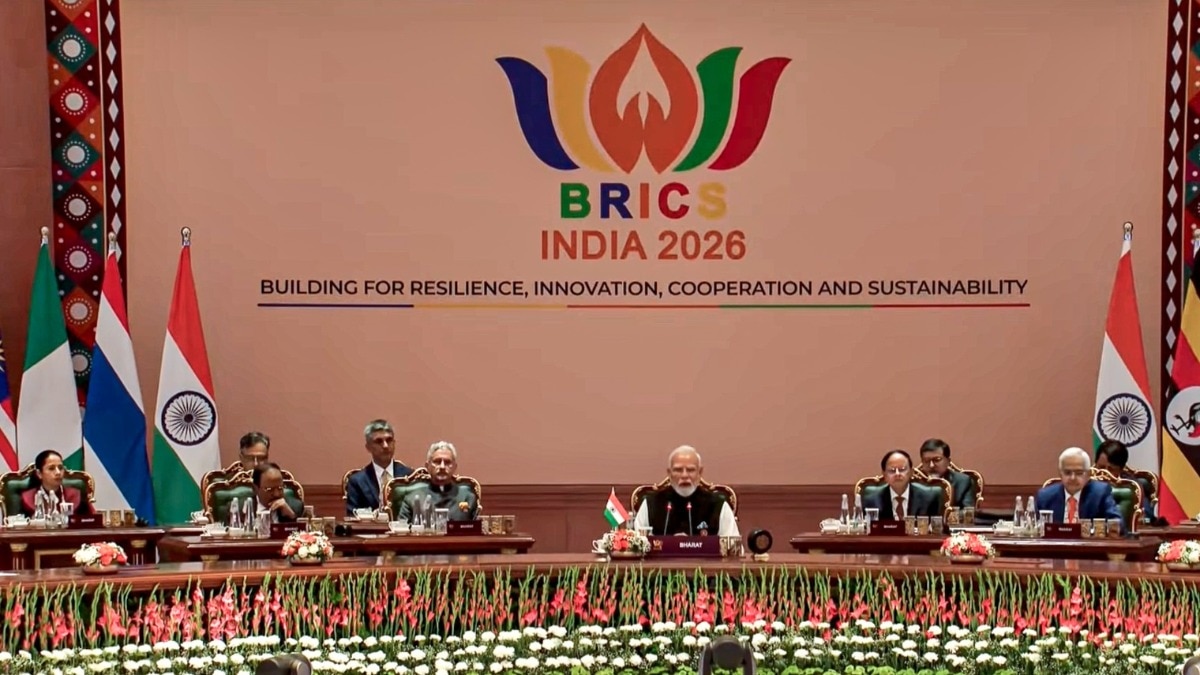
The BRICS bloc has issued a stern warning against the use of unilateral tariffs and coercive economic measures that violate international law, calling for a return to diplomatic dialogue to ensure global stability.
- Strong opposition to unilateral trade tariffs and coercive economic measures.
- Concerns raised over the violation of established international laws.
- Urgent call for diplomatic dialogue to resolve global trade disputes.
In a significant geopolitical move, the BRICS nations have released a joint declaration flagging the dangers of unilateral tariffs and the implementation of coercive measures that bypass international legal frameworks. The declaration underscores a growing frustration among emerging economies regarding the weaponization of trade policies by dominant global powers.
The member states emphasized that such restrictive measures not only hinder the economic growth of targeted nations but also create volatility in the global supply chain. By calling out these 'coercive measures,' BRICS is highlighting a trend where economic sanctions are used as tools of political pressure, often contradicting the principles of the World Trade Organization (WTO).
Why This Matters
BozokMedia analysis shows that this declaration is a strategic signal toward the shift from a unipolar to a multipolar world order. By aligning against unilateralism, BRICS is positioning itself as the primary defender of the Global South, advocating for a fair and equitable international trading system where no single nation dictates the terms.
"Unilateral economic sanctions erode the foundations of global trade and undermine the legitimacy of international law."
Historically, the BRICS alliance has evolved from a mere economic grouping into a potent political bloc. The insistence on 'dialogue' in the current declaration suggests that the group is keen on creating alternative mechanisms for dispute resolution that do not rely on Western-led financial or legal systems.
This collective stance is expected to strengthen ties between the member nations, potentially leading to more bilateral trade agreements conducted in local currencies to mitigate the impact of external economic pressures and sanctions.
Frequently Asked Questions
Q1: What are unilateral tariffs?
A: These are taxes imposed by one country on imports from another without mutual agreement or authorization from international bodies like the WTO.
Q2: Why is BRICS calling for dialogue?
A: To prevent escalating trade wars and ensure that economic disputes are settled through diplomacy rather than coercive sanctions.
