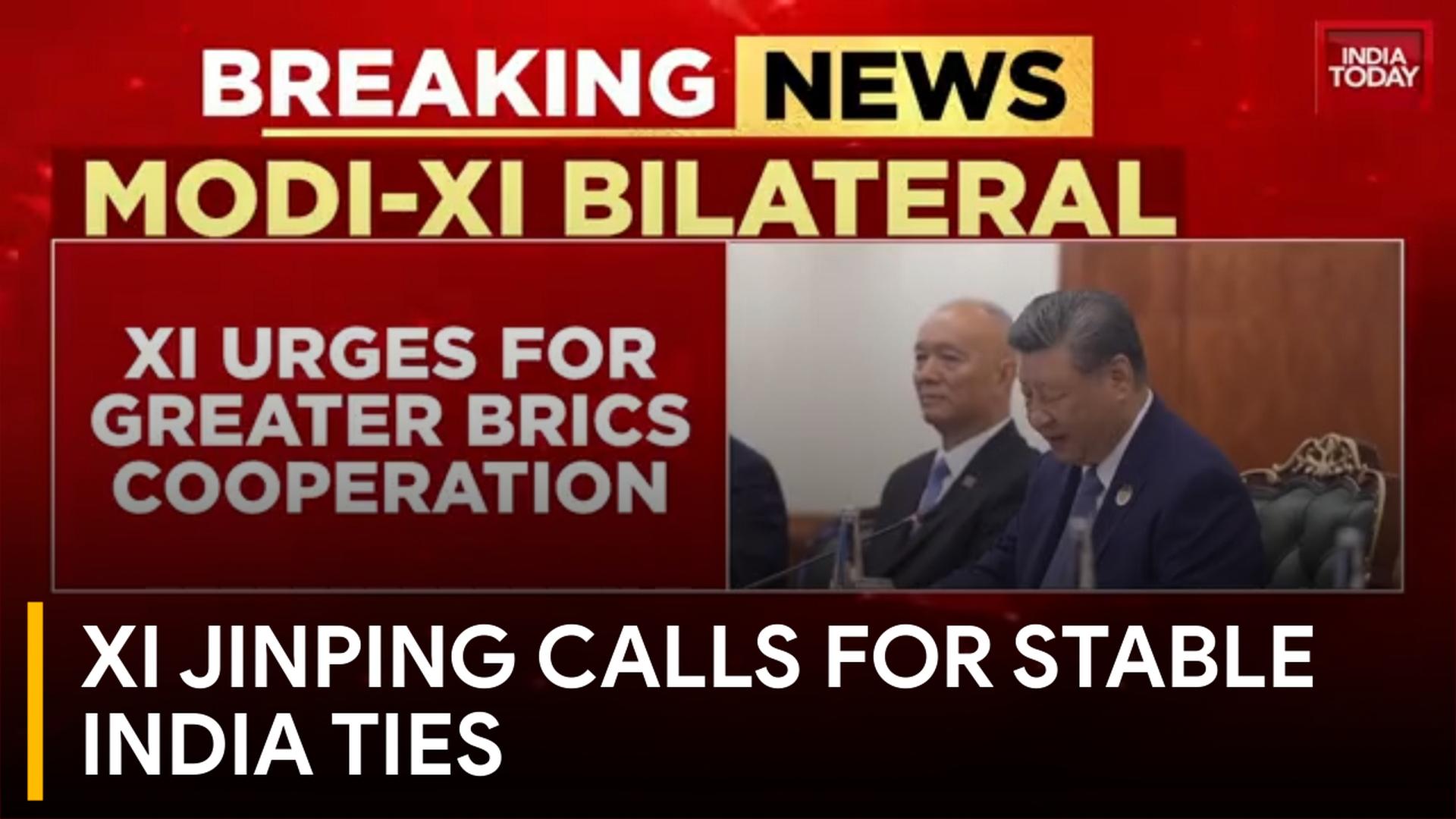
The BRICS summit has concluded with the adoption of the New Delhi Declaration, addressing critical issues like terrorism, global conflicts, and trade tariff concerns. This marks a significant shift in global diplomatic dynamics.
- BRICS members officially adopted the New Delhi Declaration.
- Strong emphasis placed on combating terrorism and resolving global conflicts.
- Addressed concerns regarding trade tariffs and economic barriers.
New Delhi: In a landmark development, the BRICS nations have officially adopted the New Delhi Declaration during their recent summit. This comprehensive document serves as a strategic blueprint for member states to navigate the complexities of the modern geopolitical landscape, focusing on security, stability, and economic cooperation.
The declaration places a heavy emphasis on the fight against terrorism, urging member nations to collaborate more closely on intelligence sharing and cutting off terror financing. Furthermore, the document highlights the urgent need for peaceful resolutions to ongoing global conflicts, advocating for diplomacy over military escalation in volatile regions.
Why This Matters
BozokMedia analysis shows that this move signals a significant hardening of BRICS' collective stance on global governance. By addressing tariff concerns and trade barriers, the bloc is positioning itself to protect its emerging economies from unilateral trade pressures. This shift suggests that BRICS is moving toward creating a more multipolar economic order that challenges existing Western-led frameworks.
The New Delhi Declaration is a testament to the growing influence of the Global South in shaping international security and trade norms.
Historically, BRICS was primarily seen as an economic grouping aimed at diversifying global trade. However, the integration of security concerns and conflict resolution into the New Delhi Declaration signifies a strategic evolution. The bloc is now actively engaging in the realms of global security and diplomatic mediation, which could reshape international relations for decades to come.
Frequently Asked Questions
1. What are the key pillars of the New Delhi Declaration?
The key pillars include combating terrorism, resolving international conflicts through diplomacy, and addressing economic concerns like trade tariffs.
2. How will this impact international trade?
By addressing tariff concerns, BRICS aims to foster smoother trade flows among member nations, potentially creating a more resilient economic bloc independent of traditional Western markets.