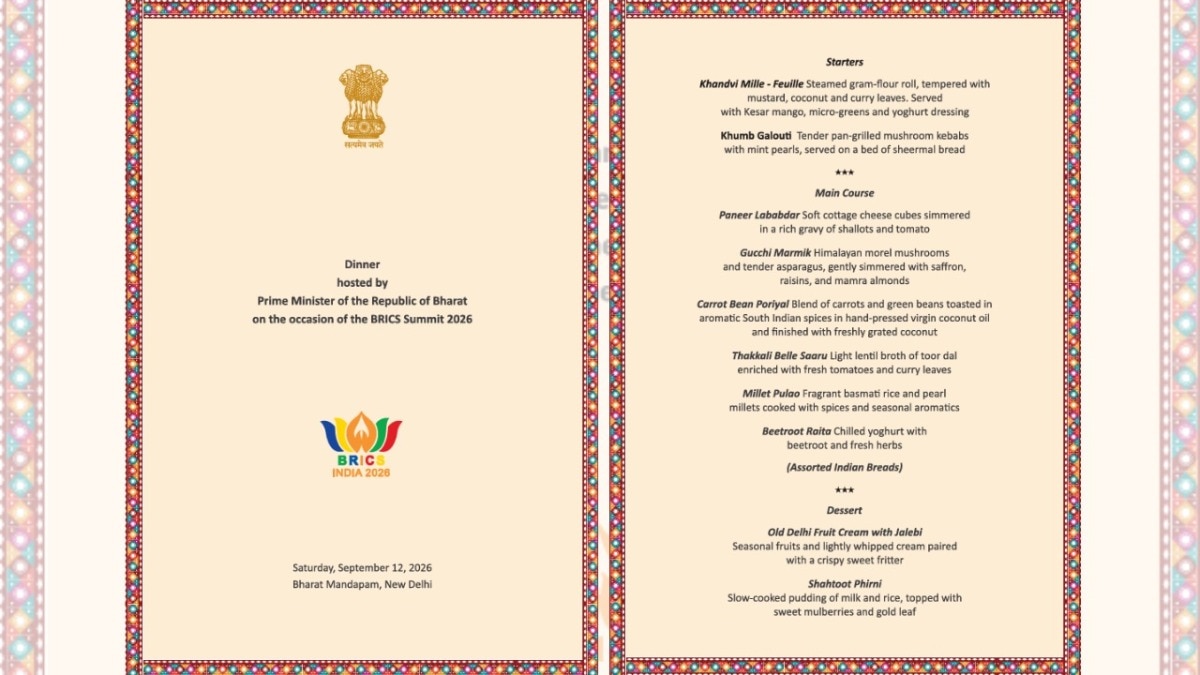
Prime Minister Narendra Modi hosted BRICS leaders in New Delhi with a curated vegetarian menu highlighting India's 'Shree Anna' (millets). The gala dinner featured a sophisticated blend of traditional classics like Paneer Lababdar and modern millet-based innovations.
- The BRICS 2026 gala dinner emphasized India's global push for 'Shree Anna' (millets).
- The menu featured a blend of traditional Indian staples and modern culinary twists.
- The event highlighted agricultural sustainability and climate resilience through millet-led dining.
At the Bharat Mandapam in New Delhi, Prime Minister Narendra Modi hosted a distinguished gala dinner for the leaders attending the BRICS Summit 2026. The evening was characterized by a distinctly Indian vegetarian spread that served as a culinary ambassador for the nation's cultural and agricultural priorities.
Central to the menu was the concept of 'Shree Anna'—a term used to describe millets. By placing millets at the center of the diplomatic table, India underscored its commitment to global food security and sustainability. The menu card specifically noted that these nutrient-rich grains require fewer resources, supporting both agricultural sustainability and climate resilience.
A Fusion of Tradition and Innovation
The culinary journey began with sophisticated starters that bridged the gap between old and new. Guests were served Khandvi Mille-Feuille, a creative take on the traditional gram-flour rolls, accompanied by Kesar mango and yoghurt dressing. Another highlight was the Khumb Galouti, featuring pan-grilled mushroom kebabs served on sheermal bread.
This menu is a strategic masterpiece of gastro-diplomacy, using the concept of 'Shree Anna' to align India's culinary heritage with global sustainability goals.
The main course offered a rich tapestry of flavors, including Paneer Lababdar and Gucchi Marmik, which utilized rare Himalayan morel mushrooms. To fulfill the summit's sustainability theme, a Millet Pulao was served, utilizing pearl millet to provide a nutritious alternative to traditional rice-based dishes.
Why This Matters
BozokMedia analysis shows that such high-profile culinary choices are integral to modern diplomacy. By integrating millets into a luxury setting, India is actively rebranding these ancient grains from 'poor man's food' to a global 'superfood,' thereby influencing international market trends and agricultural policies.
The meal concluded with decadent desserts, including Old Delhi Fruit Cream with Jalebi and a luxurious Shahtoot Phirni topped with mulberries and gold leaf. Refreshments like pomegranate juice and coconut water were served to maintain the theme of natural, refreshing flavors.
Historical Background
The emphasis on millets is part of a larger movement spearheaded by the Indian government, which successfully led to the United Nations designating 2023 as the International Year of Millets. This BRICS dinner acts as a continuation of that momentum, showcasing millets as a cornerstone of the future global diet.
Frequently Asked Questions
1. What was the significance of the menu at the BRICS dinner?
The menu was designed to promote 'Shree Anna' (millets) and highlight India's commitment to sustainable agriculture.
2. Which specific millets were used in the meal?
The menu incorporated pearl millet, sorghum, and barnyard millet across various courses.

