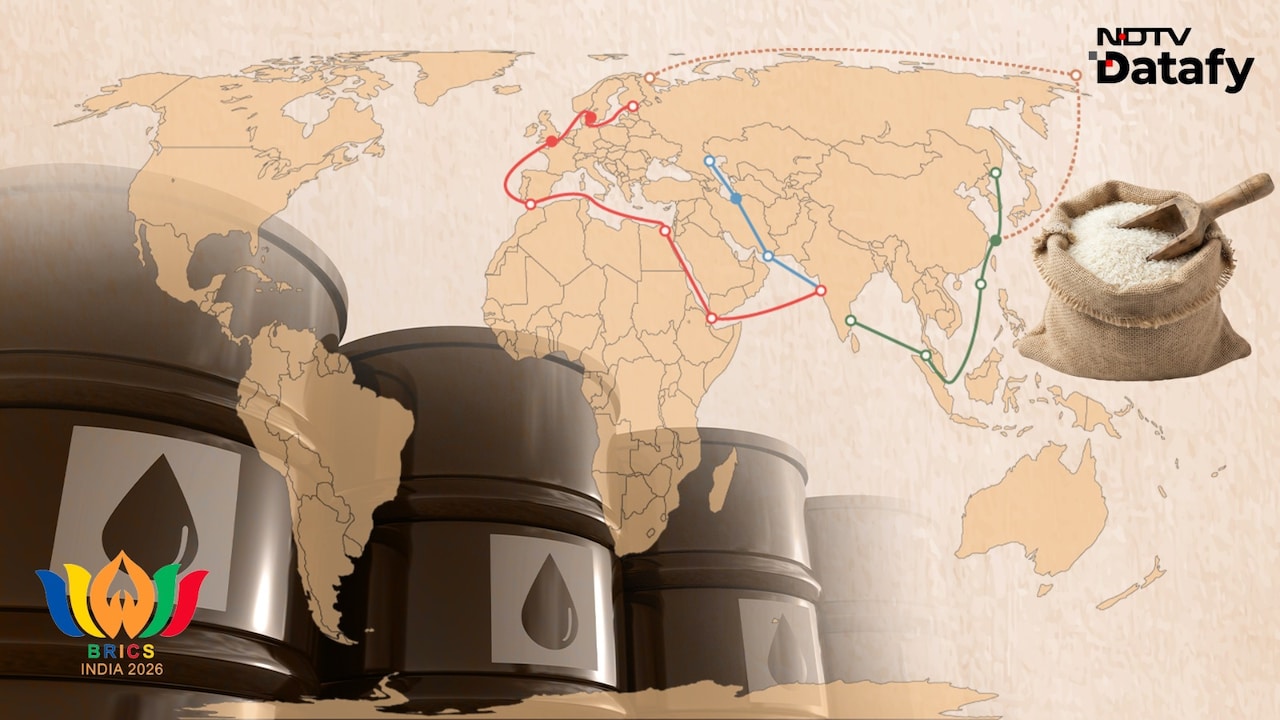
As global trade faces increasing sanctions and tariffs, BRICS nations are pivoting toward self-reliance by leveraging their dominance in critical resource sectors.
- BRICS is countering global trade restrictions through resource autonomy.
- Focus areas include energy, food security, and rare earth minerals.
- The move aims to mitigate the impact of sanctions and tariffs.
In an era defined by shifting geopolitical tides, the global commerce landscape is being fundamentally reshaped by sanctions, tariffs, and trade restrictions. Amidst this turbulence, the BRICS bloc is strategically positioning itself to leverage its growing influence and command over the world's most critical resources. The core mission is clear: achieving deep-seated self-reliance to insulate member economies from external volatility.
The strategic importance of the BRICS nations cannot be overstated. By controlling vast portions of the world's energy reserves, food supplies, and mineral wealth, these nations are moving from being mere participants in the global economy to becoming its primary architects. This shift is a direct response to the weaponization of trade by dominant economic powers.
The Resource Trifecta: Energy, Food, and Minerals
The BRICS strategy focuses on three critical pillars. First, Energy: Securing supply chains for oil, gas, and renewable energy components. Second, Food Security: Ensuring stable agricultural production and distribution to combat global hunger and price volatility. Third, Rare Earth Elements: Controlling the minerals essential for high-tech manufacturing, from semiconductors to electric vehicle batteries.
Control over critical resources is the new frontier of geopolitical dominance in the 21st century.
Why This Matters
BozokMedia analysis shows that the move toward BRICS self-reliance represents a significant departure from the traditional unipolar economic order. By securing these vital supply chains, BRICS nations are creating a buffer against economic warfare and sanctions. This could lead to a fragmented global market where resource-rich nations hold unprecedented bargaining power.
Historically, global trade has been governed by rules that often favored established Western economies. However, the emergence of a resource-centric BRICS bloc signals the rise of a multipolar world where economic sovereignty is tied directly to the control of essential commodities.
Frequently Asked Questions
1. Why is BRICS focusing on self-reliance now?
To protect member nations from the impact of international sanctions and trade barriers.
2. What role do rare earth elements play in this strategy?
They are essential for the technology and green energy sectors, making them a key lever of economic power.


