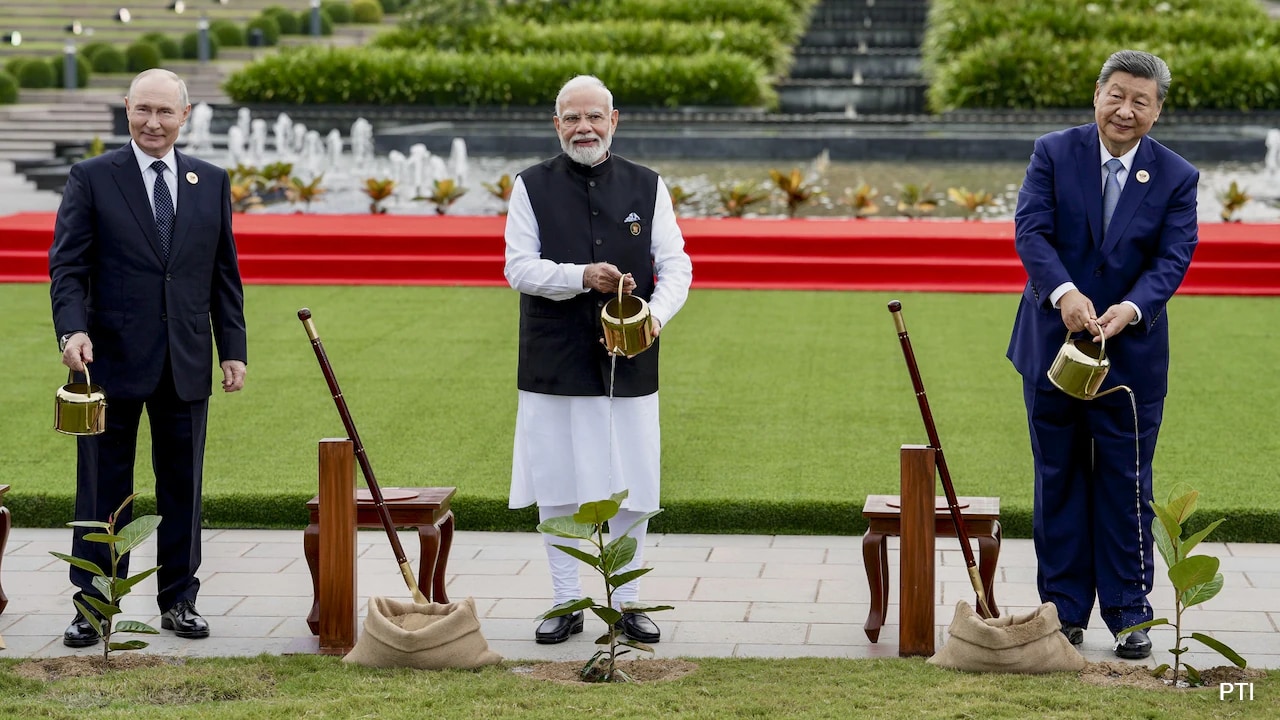
The New Delhi Summit serves as a critical milestone in the evolution of a multipolar world. For India, hosting the event is a definitive test of its strategic autonomy.
- The New Delhi Summit highlights the transition toward a multipolar global landscape.
- India's presidency acts as a litmus test for its policy of strategic autonomy.
- BRICS is increasingly becoming a platform for the Global South to challenge traditional power structures.
The BRICS summit held in New Delhi is far more than a routine diplomatic gathering; it is a profound manifestation of the shifting tides in global geopolitics. As the world moves away from unipolarity toward a complex, multipolar reality, organizations like BRICS are emerging as central players in defining the new international order.
For India, acting as the host nation and chairing this summit represents a high-stakes challenge to its core foreign policy doctrine: Strategic Autonomy. India must navigate the delicate balance of maintaining strong ties with established Western powers while fostering meaningful cooperation within the BRICS framework, which includes diverse and sometimes competing interests.
Why This Matters
BozokMedia analysis shows that India's leadership in this summit is pivotal for its aspiration to be the voice of the Global South. Successfully steering the deliberations in New Delhi would not only elevate India's stature within the bloc but also solidify its position as a key mediator on the global stage.
The New Delhi Summit marks a significant juncture in the restructuring of the global balance of power.
Historically, BRICS was established to provide a collective voice to emerging economies. However, in the current era of heightened geopolitical tensions, the group's mandate has expanded beyond mere economic cooperation. It is now a formidable political entity seeking reforms in global governance, security, and technological standards.
The outcomes of this summit will likely dictate the trajectory of global economic and political relations for the next decade. The central question remains: will BRICS successfully construct an alternative global architecture, or will it function primarily as a pressure group within the existing system?
Frequently Asked Questions
1. What is the significance of BRICS?
BRICS represents a coalition of major emerging economies that seek to increase their influence in global economic and political affairs.
2. What does 'Strategic Autonomy' mean for India?
It refers to India's ability to pursue its own national interests and make independent foreign policy decisions without being coerced by major power blocs.


