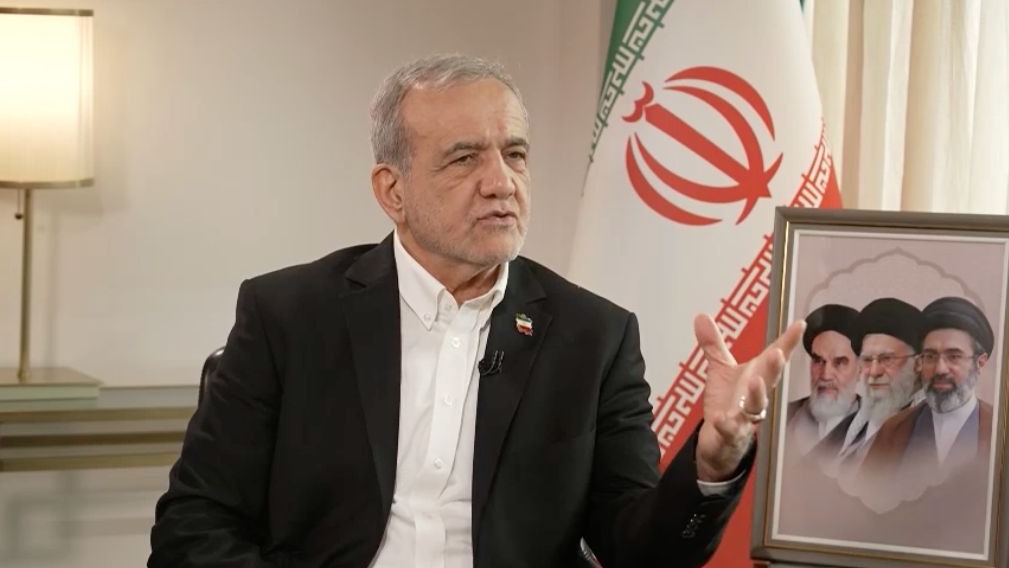
Iran presented a detailed plan in Delhi to leverage BRICS cooperation against U.S. economic pressure. The initiative could reshape global financial balances and challenge the dominance of the dollar.
- Iran disclosed a full‑scale BRICS strategy in Delhi to counter U.S. influence.
- BRICS members discussed alternative financial mechanisms and payment systems.
- The move hints at a possible shift in global economic power dynamics.
Historical Background
Formed in 2009, BRICS began as a coalition of Brazil, Russia, India, and China to promote multipolar economic growth. By 2023, discussions were underway to invite Iran as a potential member, reflecting Tehran’s search for allies amid decades of U.S. sanctions.
At a high‑profile conference in Delhi, Iranian officials outlined how they intend to use BRICS‑wide payment rails, a shared currency reserve, and new trade corridors to reduce reliance on the U.S. dollar. The blueprint could serve as a template for other sanctioned economies seeking financial autonomy.
Why This Matters
BozokMedia analysis shows that a coordinated BRICS financial front could erode the hegemonic position of the US dollar, prompting a re‑evaluation of global trade contracts and investment flows.
"If BRICS successfully implements this strategy, it could usher in a new era for the international monetary system," says economist Dr. Ali Ahmad.
Frequently Asked Questions
Question 1: How could India benefit from Iran’s plan?
Answer: India may gain access to alternative payment networks, easing trade restrictions and reducing exposure to U.S. sanctions.
Question 2: Could this strategy undermine U.S. economic policy?
Answer: While still in early stages, a successful rollout could force the U.S. to rethink its leverage tools in global finance.
Editor Comment: Iran’s bold move signals a potential realignment of global financial power, compelling policymakers worldwide to reconsider the future of the dollar‑centric system.

