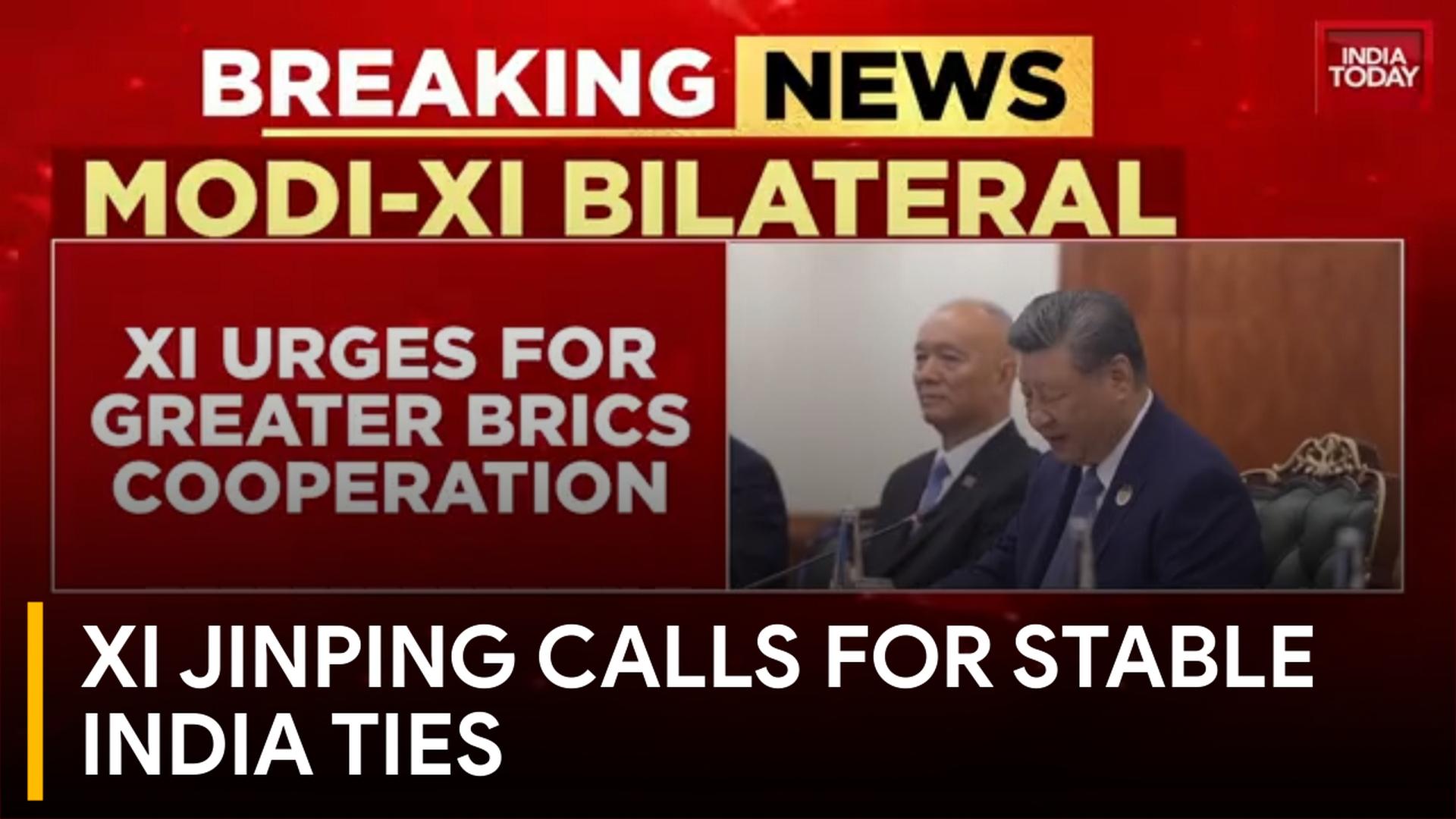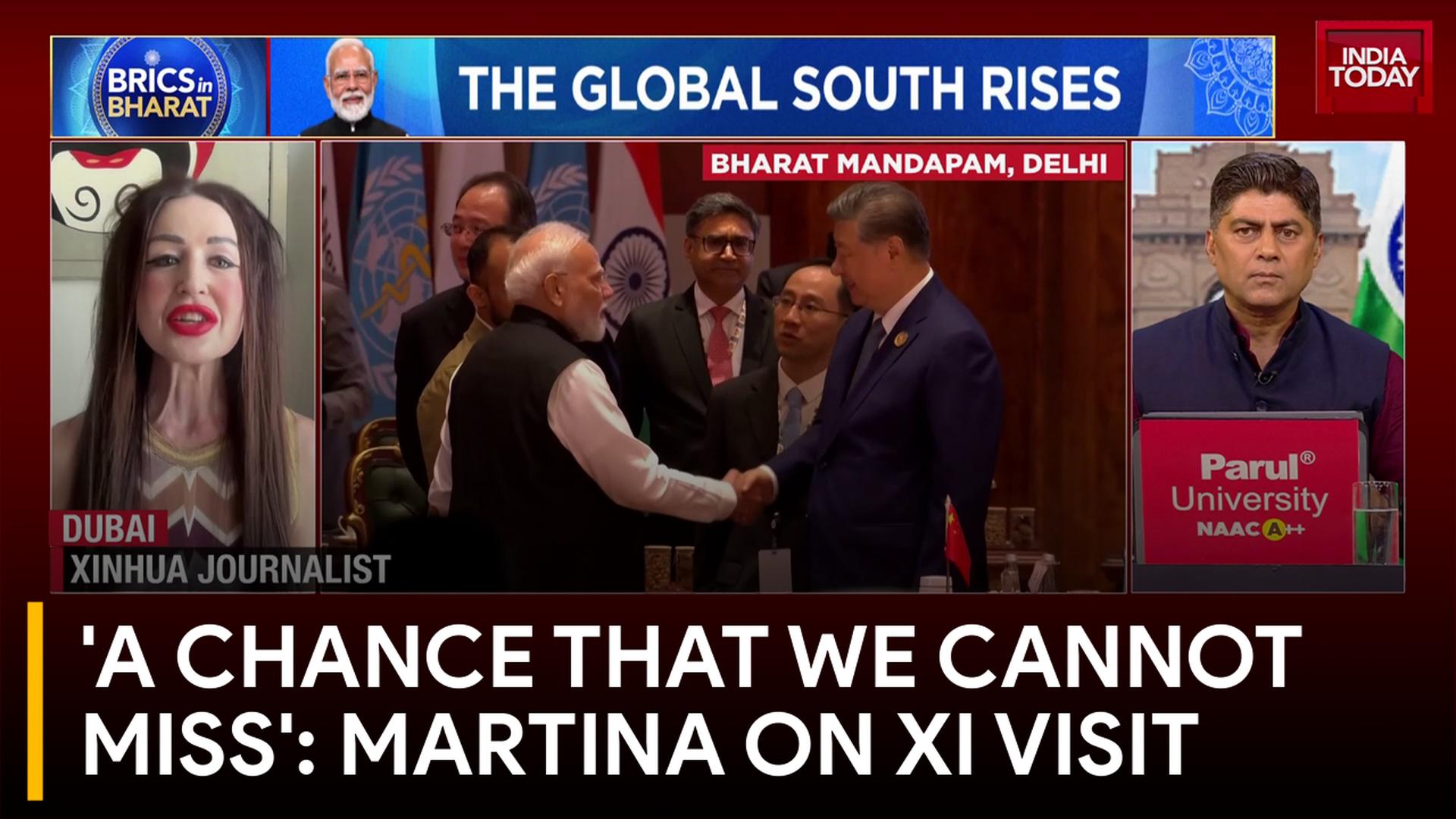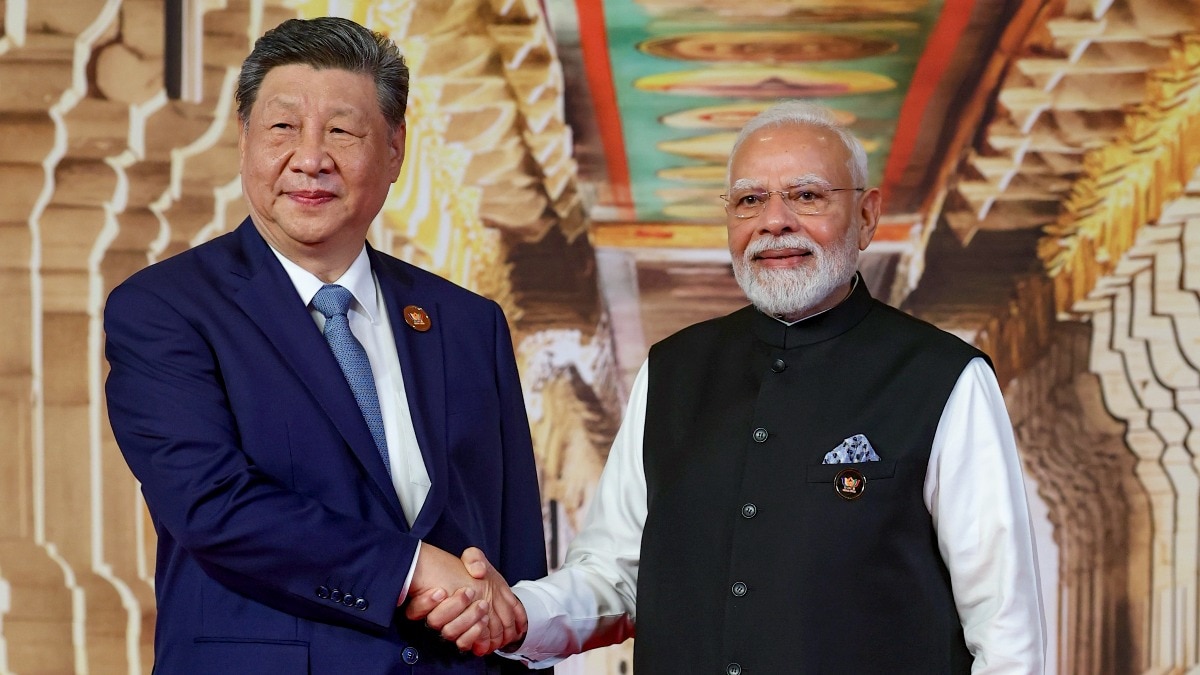
Prime Minister Narendra Modi and Chinese President Xi Jinping have commenced bilateral talks in New Delhi on the sidelines of the BRICS Summit. This marks their first meeting on Indian soil since the 2020 Galwan Valley clash.
- First bilateral meeting between PM Modi and President Xi on Indian soil since the 2020 Galwan clash.
- Key focus areas: LAC stability, boundary disputes, and trade expansion.
- The meeting is taking place on the sidelines of the BRICS Summit in New Delhi.
- High-level Chinese delegation includes Cai Qi and Wang Yi.
Prime Minister Narendra Modi and Chinese President Xi Jinping are holding critical bilateral talks on Saturday in New Delhi, on the sidelines of the BRICS Summit. This meeting is of immense geopolitical significance as it marks the first time the two leaders have met on Indian soil since the deadly military confrontation in the Galwan Valley in June 2020. The talks represent a concerted effort to rebuild ties and stabilize relations after years of intense border tensions.
The agenda for the discussions is expected to be heavy with strategic implications. Key topics include the situation along the Line of Actual Control (LAC), the long-standing boundary dispute, and measures to bolster trade and investment. Following the patrolling agreement in October 2024, both nations have seen a gradual thaw in relations, but the core territorial disagreements remain a significant hurdle to full normalization.
Why This Matters
BozokMedia analysis shows that this engagement is a litmus test for the 'new normal' in Asia. While the October 2024 agreement provided a breathing space, the presence of heavy military deployments on both sides suggests that trust is still being rebuilt. The outcome of these talks will dictate whether the two giants can move from mere 'management of conflict' to 'active cooperation'.
The restoration of peace along the border is a non-negotiable prerequisite for any meaningful economic or political partnership between India and China.
The historical context of this meeting cannot be overstated. President Xi’s last visit to India was in October 2019 for an informal summit in Mamallapuram. Since then, the relationship has been characterized by military standoffs and diplomatic frost. Recent developments in Arunachal Pradesh, where China continues to claim territory, have added a layer of complexity to the negotiations. However, the resumption of direct flights and eased visa procedures indicate a mutual desire to restore people-to-people exchanges.
On the economic front, while China remains India's largest goods trading partner with a bilateral trade value of approximately USD 151 billion in 2025-26, the relationship is heavily skewed. India faces a massive trade deficit of roughly USD 112 billion, importing significantly more than it exports. New Delhi is increasingly focused on reducing its dependence on Chinese electronics and industrial components while seeking more predictable market access.
Frequently Asked Questions
1. When was the last time Xi Jinping visited India?
President Xi Jinping last visited India in October 2019 for an informal summit in Mamallapuram.
2. What is the main issue in India-China relations?
The primary issue is the unresolved boundary dispute along the Line of Actual Control (LAC), particularly in Eastern Ladakh and Arunachal Pradesh.