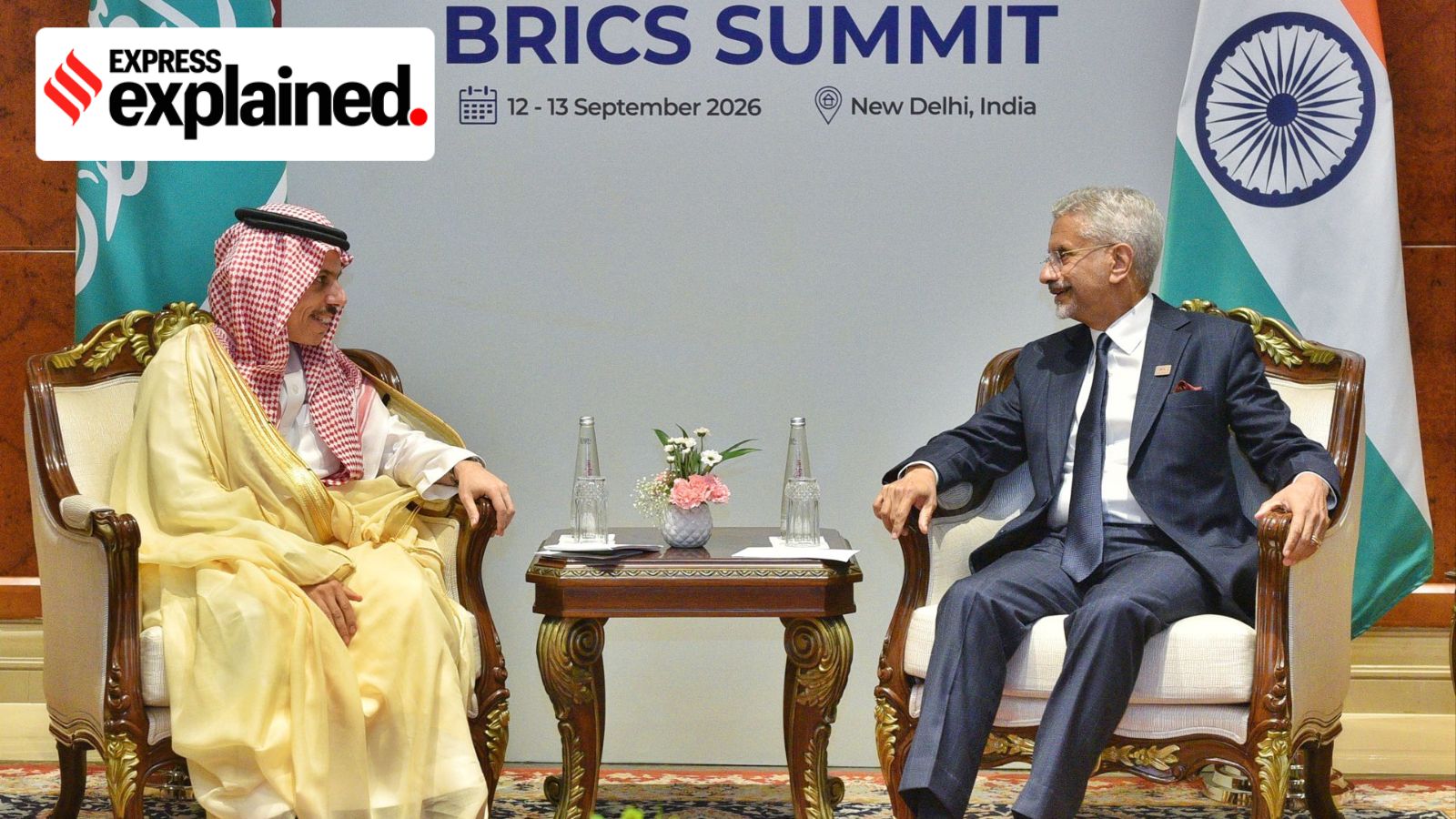
At the 18th BRICS Summit, the New Delhi Declaration emerged as a pivotal document, with PM Modi cautioning against the 'weaponisation' of critical technology and minerals in a shifting global order.
- PM Modi cautioned against the 'weaponisation' of critical minerals and technology.
- The warning follows China's recent export bans on crucial raw materials.
- The New Delhi Declaration aims to amplify the voice of the Global South.
The 18th BRICS Summit has once again placed India at the heart of global geopolitical discourse. The resulting New Delhi Declaration serves as a strategic roadmap for member nations, emphasizing collective resilience in an increasingly fragmented world.
During his address, Prime Minister Narendra Modi issued a profound warning regarding the potential 'weaponisation' of critical technology and essential raw materials. This statement is particularly timely given recent moves by China to restrict the export of vital minerals, a move that has sent ripples through global high-tech supply chains.
Why This Matters
BozokMedia analysis shows that the BRICS bloc is evolving from a mere economic partnership into a significant geopolitical force capable of challenging existing global governance structures. The strategic control of resources is becoming a new frontier of conflict, making the summit's discussions on resource security vital for all developing nations.
The use of technological resources as geopolitical leverage threatens to destabilize global trade and deepen the divide between competing superpowers.
Historically, BRICS was envisioned as a platform for emerging economies to balance the dominance of Western-led institutions. Today, the focus has shifted toward creating alternative financial systems and ensuring that the transition to green and digital economies is equitable and not subject to the whims of a few dominant players.
The summit subtly addressed the tensions involving both China and the United States. While China's export controls were a clear point of concern, the discourse also touched upon the broader trend of using technological sanctions as tools of foreign policy, a practice often associated with Western powers.
Frequently Asked Questions
1. What is the significance of the New Delhi Declaration?
It consolidates the shared vision of BRICS members to promote multilateralism and economic cooperation amidst global instability.
2. Why is the 'weaponisation' of minerals a concern?
Because many modern technologies, from EVs to semiconductors, rely on specific minerals; controlling these can give a nation undue political leverage.