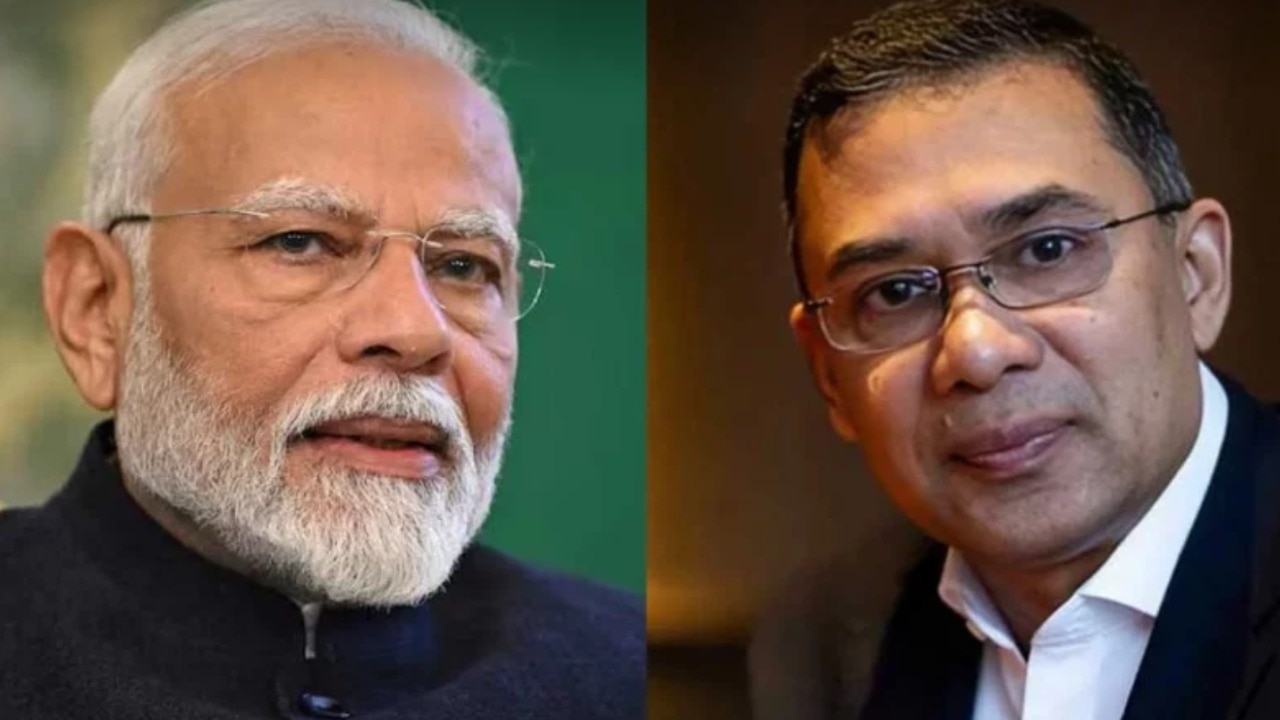
Bangladesh has signaled a desire to rebalance its foreign policy and reset bilateral relations with India, moving away from the 'uncomfortable' dynamics of the Sheikh Hasina era.
- Bangladesh aims to reset bilateral ties with India through direct discussions.
- Foreign Affairs State Minister Humaiun Kobir described the Hasina-era ties as "uncomfortable."
- Dhaka is seeking a balanced foreign policy rather than an "excessive preoccupation" with India.
- Prime Minister Tarique Rahman is scheduled to attend the 81st UN General Assembly.
DHAKA, BANGLADESH: In a significant diplomatic shift, Bangladesh has expressed its intention to "reset" its relationship with India. Seeking to build a new bilateral engagement based on mutual interests, the interim administration is signaling a departure from the political dynamics that defined the tenure of deposed Prime Minister Sheikh Hasina.
State Minister for Foreign Affairs, Humaiun Kobir, provided crucial context to this shift, describing the relations during the Hasina era as "uncomfortable." He emphasized that Dhaka prefers to pursue its relationship with New Delhi through bilateral channels rather than multilateral forums, underscoring a desire for direct and sovereign engagement.
Why This Matters
BozokMedia analysis shows that this pivot represents a fundamental recalibration of South Asian geopolitics. For years, Bangladesh's foreign policy was perceived as being closely aligned with New Delhi's interests. The current administration's push for a "balanced" approach suggests a move toward strategic autonomy, aiming to engage with India as one of many global partners rather than a singular focus.
"We have to get out of the India fascination. India is just another country, and Bangladesh wants good bilateral relations with it," stated Humaiun Kobir.
The recent discourse also clarified the context surrounding the BRICS Summit. Bangladesh noted that Prime Minister Tarique Rahman did not participate in the summit hosted by India because the invitation was extended in his capacity as the BIMSTEC chair, rather than a personal bilateral invitation. This distinction highlights the nuances of current diplomatic protocols between the two neighbors.
Historical Background: The relationship between India and Bangladesh saw a period of intense closeness under Sheikh Hasina, which provided stability but also led to criticisms regarding Bangladesh's autonomy. Following the youth-led uprising in August 2024 and Hasina's subsequent flight to India, the diplomatic atmosphere has been strained, necessitating this current attempt at a "reset."
Looking ahead, Prime Minister Rahman is set to travel to New York on September 21 to attend the 81st session of the UN General Assembly (UNGA). This visit will be a litmus test for Bangladesh's new diplomatic stance on the global stage, as leaders watch to see how Dhaka navigates its relations with major powers like the US and India.
Frequently Asked Questions
Question 1: What does Bangladesh mean by "resetting" ties?
Answer: It means moving away from the specific political dynamics of the previous regime to establish a relationship based on mutual interest and sovereign balance.
Question 2: Why was there tension regarding the BRICS Summit?
Answer: Tension arose due to the nature of the invitation, which was extended to the Prime Minister in his capacity as BIMSTEC chair rather than a direct bilateral invite.
