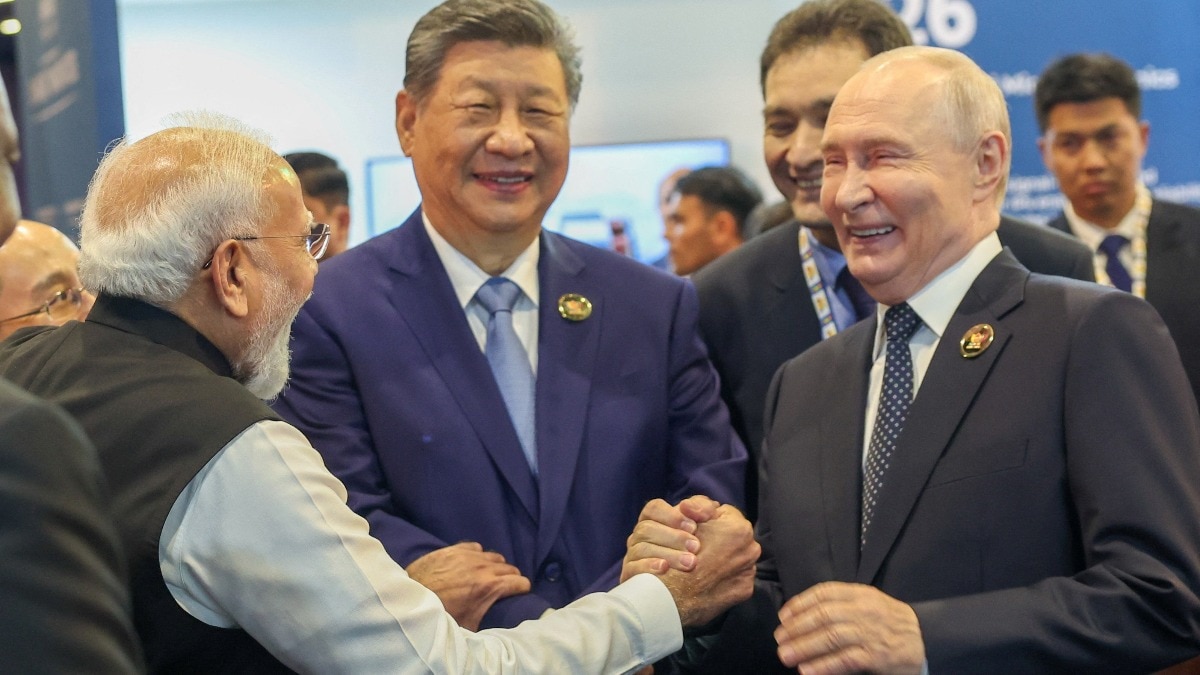
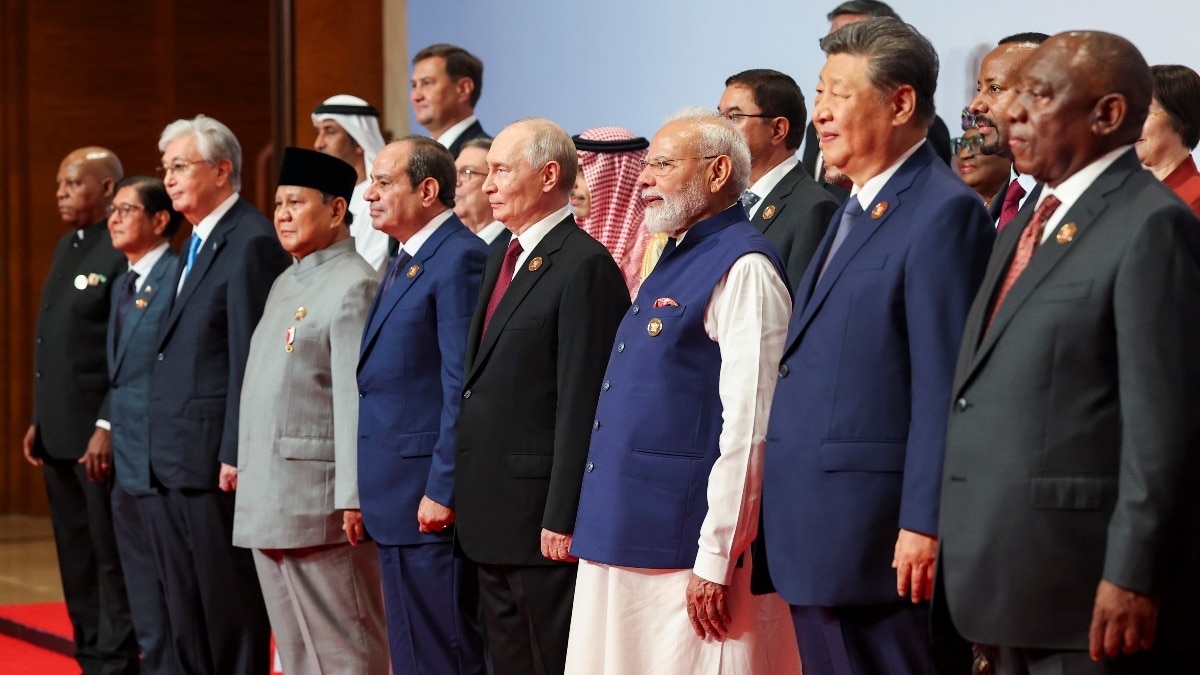
At the BRICS Summit 2026 in New Delhi, leaders condemned attacks on civilian nuclear infrastructure and called for zero tolerance on cross-border terrorism. PM Modi outlined a vision based on resilience, innovation, cooperation, and sustainability.
- BRICS nations voiced serious concerns regarding attacks on civilian nuclear facilities.
- PM Narendra Modi emphasized four pillars: resilience, innovation, cooperation, and sustainability.
- The summit issued a strong condemnation of the Pahalgam terror attack, demanding zero tolerance for cross-border terrorism.
The BRICS Summit 2026, hosted in New Delhi, has emerged as a pivotal moment for global security discourse. In a significant move, member nations collectively voiced their deep concerns regarding potential and actual attacks on civilian nuclear facilities. This stance highlights the growing vulnerability of energy infrastructure in modern geopolitical conflicts.
Prime Minister Narendra Modi delivered a visionary address, framing India's strategic focus around four core pillars: resilience, innovation, cooperation, and sustainability. He emphasized that for BRICS to remain relevant in a shifting world order, it must foster technological advancement while ensuring environmental and economic stability.
Why This Matters
BozokMedia analysis shows that the BRICS consensus on nuclear safety marks a shift from purely economic cooperation to a proactive stance on global humanitarian and security standards. Protecting civilian nuclear assets is now central to preventing catastrophic environmental and radiological disasters.
The protection of civilian nuclear infrastructure is no longer just a technical necessity; it is a fundamental pillar of global peace and security.
Terrorism also took center stage during the summit. The condemnation of the Pahalgam terror attack reflected India's unwavering stance against militancy. The resulting 'New Delhi Declaration' explicitly calls for 'zero tolerance on cross-border terrorism', sending a clear message to entities that use terror as a tool of statecraft.
Historical Background
Originally formed to bolster the influence of emerging economies, BRICS has undergone a massive transformation. By 2026, the bloc has expanded its mandate to tackle complex issues like Artificial Intelligence (AI), global tariffs, and international security, making it a formidable voice for the Global South.
Frequently Asked Questions
Question 1: What is the main concern regarding nuclear facilities?
Answer: BRICS members expressed concern that attacks on civilian nuclear sites could lead to massive humanitarian and environmental catastrophes.
Question 2: What are the four pillars mentioned by PM Modi?
Answer: The four pillars are Resilience, Innovation, Cooperation, and Sustainability.